
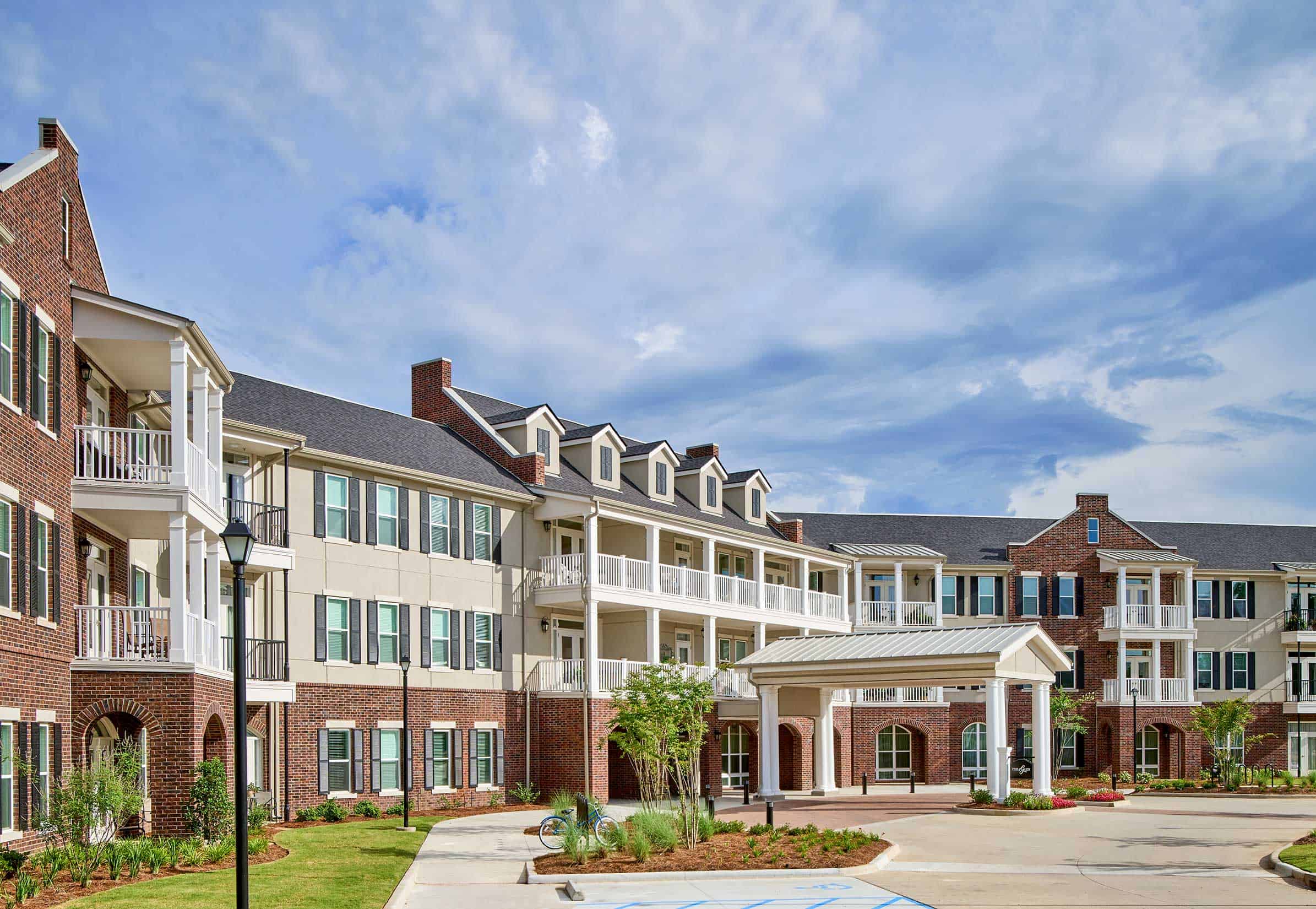
As the population ages, the demand for senior living apartments and communities has grown significantly. These specialized living environments offer a combination of independence, safety, and social engagement tailored to the needs of older adults. Choosing the right senior living arrangement is a critical decision that can affect overall well-being, quality of life, and social satisfaction. This guide explores the different types of senior living apartments and communities, the benefits they offer, key considerations for selection, and tips for making the transition smooth and enjoyable.
Understanding Senior Living Apartments and Communities
Senior living apartments and communities are residential environments designed specifically for older adults, typically aged 55 and older. Unlike traditional housing, these communities focus on providing amenities, services, and social opportunities that cater to seniors’ physical, mental, and emotional needs. The goal is to create a supportive and safe environment where residents can maintain independence while accessing assistance when needed.
These communities come in various forms, ranging from independent living apartments to assisted living facilities and continuing care retirement communities (CCRCs). Each type offers a different level of care, amenities, and lifestyle options, allowing seniors and their families to select an environment that best suits their needs.
Types of Senior Living Apartments and Communities
-
Independent Living Communities
Independent living apartments are designed for seniors who are active and self-sufficient but want a community environment that offers convenience and social engagement. These communities often provide maintenance-free living, housekeeping, transportation services, and recreational activities. Residents enjoy the benefits of apartment-style living without the responsibilities of homeownership, such as yard work or repairs. -
Assisted Living Communities
Assisted living communities cater to seniors who require some help with daily activities, such as bathing, dressing, medication management, or meal preparation. These communities offer a combination of private or semi-private apartments and personalized care plans. The focus is on promoting independence while ensuring that residents receive the necessary support to live safely and comfortably. -
Continuing Care Retirement Communities (CCRCs)
CCRCs, also known as life plan communities, offer a continuum of care, including independent living, assisted living, and skilled nursing care within the same community. This model allows residents to age in place, moving between levels of care as their needs change without leaving the community. CCRCs often provide extensive amenities, such as fitness centers, cultural programs, and wellness initiatives. -
Memory Care Communities
Memory care communities specialize in supporting seniors with Alzheimer’s disease or other forms of dementia. These facilities are designed with safety features, structured routines, and specialized staff trained in dementia care. Memory care units often include secured areas to prevent wandering and programs focused on cognitive stimulation and engagement.
Benefits of Senior Living Apartments and Communities
-
Safety and Security
Senior living communities are designed to minimize risks and hazards common in traditional homes. Features may include grab bars, non-slip flooring, emergency response systems, and 24-hour staff availability. This level of safety helps prevent accidents and provides peace of mind to both residents and their families. -
Social Engagement
One of the significant advantages of senior living apartments and communities is the opportunity for social interaction. Residents can participate in clubs, fitness classes, educational programs, and community events. This social engagement combats loneliness and promotes mental and emotional well-being. -
Health and Wellness Support
Many senior living communities offer on-site healthcare services, wellness programs, and fitness facilities. Regular health monitoring, access to medical professionals, and wellness initiatives such as yoga, swimming, or group walks encourage healthy aging and proactive management of chronic conditions. -
Maintenance-Free Living
Senior living apartments often include maintenance-free amenities, such as housekeeping, laundry services, and landscaping. This reduces the stress and physical demands of homeownership, allowing seniors to focus on hobbies, social activities, and personal growth. -
Customized Care
Assisted living and memory care communities provide tailored care plans to meet individual needs. Personalized assistance ensures that residents receive support where necessary while maintaining as much independence as possible. Care plans may include medication management, physical therapy, or assistance with daily routines.
Key Considerations When Choosing a Community
Selecting the right senior living apartment or community requires careful consideration of multiple factors:
-
Location
Proximity to family, healthcare facilities, shopping, and recreational options is essential. Some seniors prefer a vibrant city environment, while others may seek a quieter suburban or rural setting. -
Level of Care
Assess current needs and anticipate future requirements. Communities offering a continuum of care may be ideal for those who wish to remain in one location as their needs change. -
Amenities and Services
Evaluate the amenities offered, including dining options, fitness facilities, transportation, and social activities. The quality and variety of services can significantly impact daily life and overall satisfaction. -
Cost and Financial Options
Senior living communities vary widely in cost, depending on the level of care, location, and amenities. Review pricing structures, entrance fees, monthly rates, and potential extra charges. Some communities offer flexible payment options or long-term care insurance compatibility. -
Community Culture and Social Environment
Visit potential communities to observe the atmosphere, resident engagement, and staff interactions. The community’s culture and values should align with the resident’s preferences and lifestyle. -
Health and Safety Protocols
Ensure that the community follows strict health and safety standards, including emergency preparedness, infection control, and trained medical staff availability.
Tips for a Smooth Transition
Moving to a senior living apartment or community is a significant life change. The following tips can help make the transition easier:
-
Plan Ahead
Start exploring communities early to have ample time for research, visits, and decision-making. -
Involve Family
Engage family members in the process to gain support, insights, and assistance in the move. -
Downsize Thoughtfully
Select belongings that are meaningful and necessary. Consider selling, donating, or gifting items to simplify the move. -
Personalize the New Space
Bring familiar items, photos, and décor to create a sense of comfort and identity in the new apartment. -
Engage in Community Activities
Participate in social events and programs to build friendships and a sense of belonging.
Future Trends in Senior Living
The senior living industry continues to evolve, focusing on innovation and quality of life. Key trends include:
-
Technology Integration: Smart home devices, telehealth, and emergency monitoring systems enhance safety and convenience.
-
Wellness-Oriented Design: Communities are emphasizing fitness, mental health programs, and holistic wellness initiatives.
-
Intergenerational Living: Some top rated independent living apartments nearby are incorporating shared spaces with younger generations to promote social diversity and engagement.
-
Sustainable and Eco-Friendly Practices: Energy-efficient buildings, green spaces, and sustainable design are becoming standard features.
Conclusion
Senior living apartments and communities provide a comprehensive solution for aging adults seeking safety, convenience, and social engagement. By understanding the types of communities, evaluating benefits, and carefully considering personal needs, seniors and their families can make informed decisions that enhance quality of life. From independent living to memory care, these communities offer diverse options that promote independence, well-being, and a vibrant lifestyle. Planning ahead, visiting multiple communities, and prioritizing preferences ensure that the transition is smooth, comfortable, and fulfilling.
Choosing a senior living community is not just about housing—it’s about embracing a lifestyle that nurtures health, fosters social connections, and provides peace of mind for the future.