
Month: January 2026

The Real Work of Community Leadership: What It Truly Takes to Bring People TogetherThe Real Work of Community Leadership: What It Truly Takes to Bring People Together

Community building looks simple from the outside. A group of people. A shared interest. A place to connect. But real community leadership goes far deeper than creating a space and hoping people show up. Strong communities don’t happen by accident—they’re shaped intentionally by leaders who understand people, purpose, and long-term commitment.

Being a leader in community building is less about authority and more about responsibility. It requires emotional intelligence, consistency, and the ability to serve without needing constant recognition. Here’s what it genuinely takes to lead a thriving, engaged community that lasts.


Understanding That Leadership Is Service, Not Status

The most effective community leaders don’t position themselves above the group. They see themselves as caretakers of the space. Their role is to support conversations, remove friction, and help members feel seen and valued.

Community leadership means listening more than speaking. It means making decisions that benefit the collective, even when those decisions aren’t popular or personally convenient. When people sense that a leader is there to serve—not to control or extract value—trust forms naturally.

Trust is the foundation of every strong community.


Having a Clear Purpose That Goes Beyond Growth

A community without a clear purpose quickly becomes noisy, fragmented, or inactive. Leaders must be deeply clear about why the community exists and who it is for.

This purpose isn’t just a tagline. It guides moderation decisions, content direction, collaborations, and even who is invited to join. Strong community leaders regularly communicate this purpose so members feel grounded and aligned.

Growth without purpose leads to dilution. Purpose-driven growth leads to belonging.


Emotional Intelligence Is Non-Negotiable

Communities are made of people, and people bring emotions, opinions, conflicts, and vulnerabilities. A leader who lacks emotional intelligence will struggle to hold space during difficult moments.

Being emotionally intelligent means:

  • Recognizing tension before it escalates
  • Responding calmly rather than reactively
  • Validating feelings without feeding negativity
  • Handling criticism without defensiveness

Community leaders often act as emotional anchors. Their tone sets the emotional temperature of the entire group.


Consistency Builds Safety and Credibility

Nothing kills a community faster than inconsistency. Leaders who disappear for weeks, change rules without explanation, or show favoritism erode trust quickly.

Consistency doesn’t mean perfection. It means showing up regularly, following through on promises, and enforcing boundaries fairly. When members know what to expect, they feel safe participating.

Safety is what transforms passive members into active contributors.


Creating Space for Others to Lead

Strong community leaders don’t try to be the center of everything. They actively encourage others to step up, share ideas, and take ownership.

This could look like:

  • Highlighting member contributions
  • Appointing moderators or ambassadors
  • Encouraging peer-to-peer support
  • Letting conversations evolve organically

Communities thrive when leadership is distributed. When members feel empowered, the community becomes resilient and self-sustaining. Get more information on Terry Hui here.


Managing Conflict Without Avoidance or Ego

Conflict is inevitable in any community that allows honest discussion. The goal isn’t to eliminate conflict—it’s to manage it constructively.

Effective community leaders don’t ignore issues or take sides emotionally. They focus on clarity, fairness, and resolution. They set boundaries firmly but respectfully, and they communicate decisions transparently.

Handled well, conflict can actually strengthen a community by reinforcing shared values and mutual respect.


Patience for Long-Term Growth

Community building is slow work. There are no shortcuts to trust, engagement, or loyalty. Leaders who expect instant results often burn out or abandon their communities too soon.

True community leadership requires patience:

  • Patience when engagement is low
  • Patience when progress feels invisible
  • Patience when members come and go

Over time, consistent effort compounds. Small moments of connection turn into culture. Culture turns into loyalty. Loyalty turns into impact.


Being Willing to Evolve With the Community

Communities are living systems. What works in the beginning may not work a year later. Leaders must be willing to adapt without losing the core purpose.

This might involve:

  • Updating guidelines
  • Changing platforms or formats
  • Introducing new types of discussions or events
  • Letting go of outdated structures

The best community leaders stay curious. They observe patterns, ask for feedback, and evolve alongside their members instead of clinging to control.


Integrity Is the Invisible Glue

People can sense authenticity instantly. Community leaders who say one thing and do another lose credibility fast. Integrity shows up in small, consistent actions—how feedback is handled, how rules are applied, how success is shared.

When leaders act with integrity, members feel respected. When members feel respected, they protect the community as if it were their own.

Integrity is what turns a group into a shared identity.


Measuring Success Beyond Numbers

Follower counts, member totals, and activity metrics are easy to track—but they don’t tell the whole story. Great community leaders look deeper.

They measure success through:

  • Depth of conversations
  • Quality of relationships formed
  • Member retention over time
  • Stories of impact and transformation

A smaller, deeply connected community often creates far more value than a massive but disengaged one.


Final Thoughts: Leadership Is a Daily Practice

Being a leader in community building isn’t a title you earn once—it’s a role you step into daily. It requires humility, emotional strength, clarity of purpose, and the willingness to grow alongside others.

The most powerful communities don’t revolve around a single personality. They revolve around shared values, mutual respect, and leaders who understand that bringing people together is both a responsibility and a privilege.

When done right, community leadership doesn’t just build groups—it builds belonging.
Mastering Phone Fixes The Ultimate Guide to Multimeters for Mobile RepairMastering Phone Fixes The Ultimate Guide to Multimeters for Mobile Repair

Choosing the Right Multimeter for Mobile Repair

Selecting the ideal tool is the first step toward efficient and accurate diagnostics. A multimeter for mobile repair must balance portability, precision, and protective features. Technicians should prioritize a device with a compact form factor and clear display so readings are easy to interpret under bench lamps or magnifiers. Look for models that offer millivolt and microamp ranges for low-voltage circuits common in smartphones, along with reliable continuity beeps and diode-test functions to quickly identify faulty components like diodes, FETs, or shorted traces.

Accuracy and range are crucial. Many budget meters are fine for general household electronics but lack the resolution required for board-level troubleshooting. A quality digital meter with 0.1 mV or better resolution, true RMS for AC measurements when testing chargers or power ICs, and stable input impedance will provide trustworthy results. Safety ratings such as CAT II or CAT III can matter when testing adapters and power supplies, though most phone board work focuses on low-voltage DC measurements. Protective features like fused current inputs and overload protection help prevent expensive mistakes when probing sensitive phone circuits.

Additional practical features can greatly improve workflow: a backlit display, data-hold and min/max functions, auto-ranging, and a non-contact voltage detector for quick checks. For technicians who perform soldering and diagnostics in different locations, a meter with long battery life and a sturdy case will offer better longevity. Many repair professionals choose models tailored for board-level work; for a curated selection of reliable instruments, consider exploring a specialized collection of Digital Multimeter For Phone Repair that combine the right features for mobile repair environments.

How to Use a Digital Multimeter for Common Phone Diagnostics

Understanding how to apply a digital multimeter is essential for diagnosing charging issues, boot loops, speaker failures, and battery faults. Begin every repair by visually inspecting for corrosion, broken solder joints, and burnt components, then use the meter to confirm suspicions. For battery assessment, measure open-circuit voltage under no load and then under a small controlled load to detect voltage sag. Compare readings to the battery’s nominal voltage; large drops under load often indicate an aged or damaged battery needing replacement.

Charging problems are often traced through the power path: test the charger output, the phone’s charging IC input, and follow the rails on the PCB. Use the continuity function to confirm ground connections and trace continuity between connectors and components. When checking for shorts, switch to the diode or low-resistance range and look for unusually low resistance between power rails and ground—this can indicate a shorted component. For signal-level diagnostics, probe voltage rails at test points and compare to known good values; many service manuals and schematics provide expected voltages for key nodes like VCC, VPP, and battery sense lines.

When measuring current draw, remember to never exceed the meter’s current rating; use a dedicated clamp meter for higher values if available. Always disconnect the battery when performing certain IC-level tests to avoid damaging circuits. Use the meter’s diode test to assess individual SMD components such as Schottky diodes and MOSFET gates. Combining steady measurement technique, correct meter settings, and careful probe contact will dramatically increase diagnostic speed and reduce the risk of collateral damage to delicate phone boards.

Case Studies and Real-World Examples from Repair Benches

Real repair scenarios illustrate how a reliable multimeter transforms troubleshooting. In one instance, a phone that would not charge was initially suspected to have a faulty charging port. Visual inspection showed no visible damage, so the technician measured the charger output then traced the voltage to the power IC. A millivolt-level drop across a tiny SMD resistor pointed to a failed MOSFET gate driver. Replacing the MOSFET restored charging—an outcome only possible because the meter delivered precise low-voltage readings.

Another common example involves intermittent boot loops. A unit powered on briefly then shut down; surface-level checks appeared normal. Using min/max logging and steady voltage measurement across the battery connector revealed transient dips on the main rail during load events. Those dips correlated with a failing capacitor on the power rail; once the capacitor was replaced, the device booted consistently. These cases highlight why technicians value a meter that can capture transient behavior and provide fine resolution on low-voltage rails.

Workflows that integrate a multimeter with schematic references and component-level replacements significantly reduce turnaround time. For shops that handle high volumes, training technicians to use the meter for systematic checks—battery, charger, power IC, distribution rail, and ground plane—creates predictable diagnostics and fewer return repairs. Investing in the right toolset, including a high-resolution, robust meter, proves cost-effective when measuring time saved and repair success rates on real-world mobile repair jobs.

Blog

Miami’s Best Corporate Event DJs: Making Your Event UnforgettableMiami’s Best Corporate Event DJs: Making Your Event Unforgettable

Planning a corporate event in Miami requires attention to every detail, from the venue and catering to the entertainment. Among these elements, music plays a pivotal role in setting the tone, energizing attendees, and leaving a lasting impression. Hiring the right entertainment can transform an ordinary corporate gathering into an unforgettable experience. This is where corporate event DJs in Miami come into play. They bring professionalism, creativity, and the perfect soundtrack to ensure your event stands out corporate event djs miami.

The Importance of a Skilled DJ for Corporate Events

Corporate events often have a mix of objectives—celebrating achievements, networking, launching products, or motivating employees. Unlike private parties, these events require a delicate balance between professionalism and entertainment. A skilled DJ understands this balance, knowing when to energize the crowd and when to maintain a professional atmosphere. Corporate event DJs in Miami have honed their craft in diverse settings, making them experts in reading the room and adapting their performance to fit the audience and occasion.

A professional DJ brings more than just music—they provide seamless transitions, high-quality sound equipment, lighting, and a curated playlist tailored to your event. This ensures your attendees stay engaged and entertained, helping to create memories that last long after the event ends.

Miami’s Unique Event Vibe

Miami is known for its vibrant culture, lively nightlife, and diverse musical influences. From Latin beats to electronic dance music, the city offers a rich array of sounds that can cater to any corporate event. Corporate event DJs in Miami leverage this unique cultural backdrop to provide a dynamic experience for your guests. Whether you are planning a formal gala, a product launch, or an outdoor team-building event, these DJs can customize the music to match the mood and theme, giving your event a distinct Miami flair.

The city’s energetic vibe also encourages creativity in event planning. DJs in Miami are not just performers; they are collaborators who work with event planners to understand the audience and theme, ensuring the entertainment aligns perfectly with the event’s goals.

Selecting the Right Corporate Event DJ

Choosing the right DJ is crucial for the success of your corporate event. There are several factors to consider to ensure you hire the perfect professional:

  1. Experience with Corporate Events

    Not all DJs are suited for corporate functions. Look for those who specialize in corporate events and have a track record of handling diverse crowds and professional settings.

  2. Versatility in Music

    Your audience may have varied musical tastes. A great DJ can play everything from smooth jazz during dinner to high-energy tracks for the dance floor, keeping all guests engaged.

  3. Technical Expertise

    High-quality sound and lighting can elevate an event significantly. Experienced corporate event DJs in Miami come with their own equipment and are skilled at handling technical challenges to ensure flawless execution.

  4. Professionalism and Communication

    A DJ is often one of the main points of contact for your guests. Professionalism, punctuality, and effective communication are essential traits for a successful corporate event DJ.

Creating the Perfect Playlist

Music sets the emotional tone of any event. Corporate event DJs in Miami understand the art of crafting a playlist that enhances the experience without overpowering it. The right selection of tracks can boost energy, encourage networking, and even reflect your company’s brand identity. Some DJs also offer live remixes or interactive segments to engage the audience further, making the experience more immersive and memorable.

Collaborating with your DJ before the event to discuss themes, key moments, and preferred genres ensures the music aligns with your vision. This collaboration is essential in creating a flow that keeps the audience engaged from start to finish.

Enhancing the Atmosphere with Lighting and Effects

Modern corporate event DJs do more than just play music. They enhance the ambiance using professional lighting, visual effects, and sometimes even interactive media. Strategic lighting can transform a simple venue into a sophisticated space, while effects like fog machines or video projections add a layer of excitement that keeps guests talking long after the event concludes.

Corporate event DJs in Miami often have access to state-of-the-art equipment and the expertise to use it effectively. This ensures that your event not only sounds great but looks impressive, creating an immersive experience that captivates your audience.

Why Miami Is a Hub for Corporate Event DJs

Miami’s thriving business landscape and vibrant social scene make it a hotspot for corporate events. Companies from across the nation and internationally host conferences, galas, and launch parties in the city. This demand has cultivated a talented pool of corporate event DJs in Miami, who are experienced in handling large-scale productions, diverse crowds, and high-profile clients.

The city’s diverse musical culture also gives DJs the ability to blend different genres seamlessly, catering to international audiences and varied tastes. This makes Miami an ideal place to find DJs who can deliver a unique and professional experience.

Tips for a Successful Corporate Event

While hiring the right DJ is crucial, there are additional steps to ensure your event’s success:

  • Plan Ahead: Book your DJ well in advance to secure availability and allow ample time for collaboration on playlists and event flow.

  • Communicate Clearly: Provide detailed information about your event, including schedule, audience demographics, and key moments.

  • Consider Venue Acoustics: Discuss the venue’s acoustics with your DJ to ensure optimal sound quality.

  • Engage Attendees: Incorporate interactive elements like song requests or themed music segments to keep the audience involved.

Making Your Event Unforgettable

The right corporate event DJ can turn a standard corporate gathering into an unforgettable celebration. Their ability to read the crowd, mix music professionally, and enhance the atmosphere with lighting and effects ensures your guests leave with lasting memories. Miami’s top DJs bring creativity, professionalism, and a deep understanding of diverse musical styles, making them the perfect choice for any corporate event.

Investing in corporate event DJs in Miami is not just about hiring entertainment—it’s about creating an experience that reflects your company’s values, energizes your attendees, and makes your event truly memorable. Whether it’s a formal gala, a networking mixer, or a product launch, the right DJ can transform your vision into a vibrant reality, leaving a lasting impression on every guest.

By prioritizing quality entertainment, you ensure your corporate event stands out, enhances your brand, and fosters connections among attendees, making it an event to remember for years to come.

Choosing Less Sweet Flavours for Quiet Environments A Comprehensive GuideChoosing Less Sweet Flavours for Quiet Environments A Comprehensive Guide

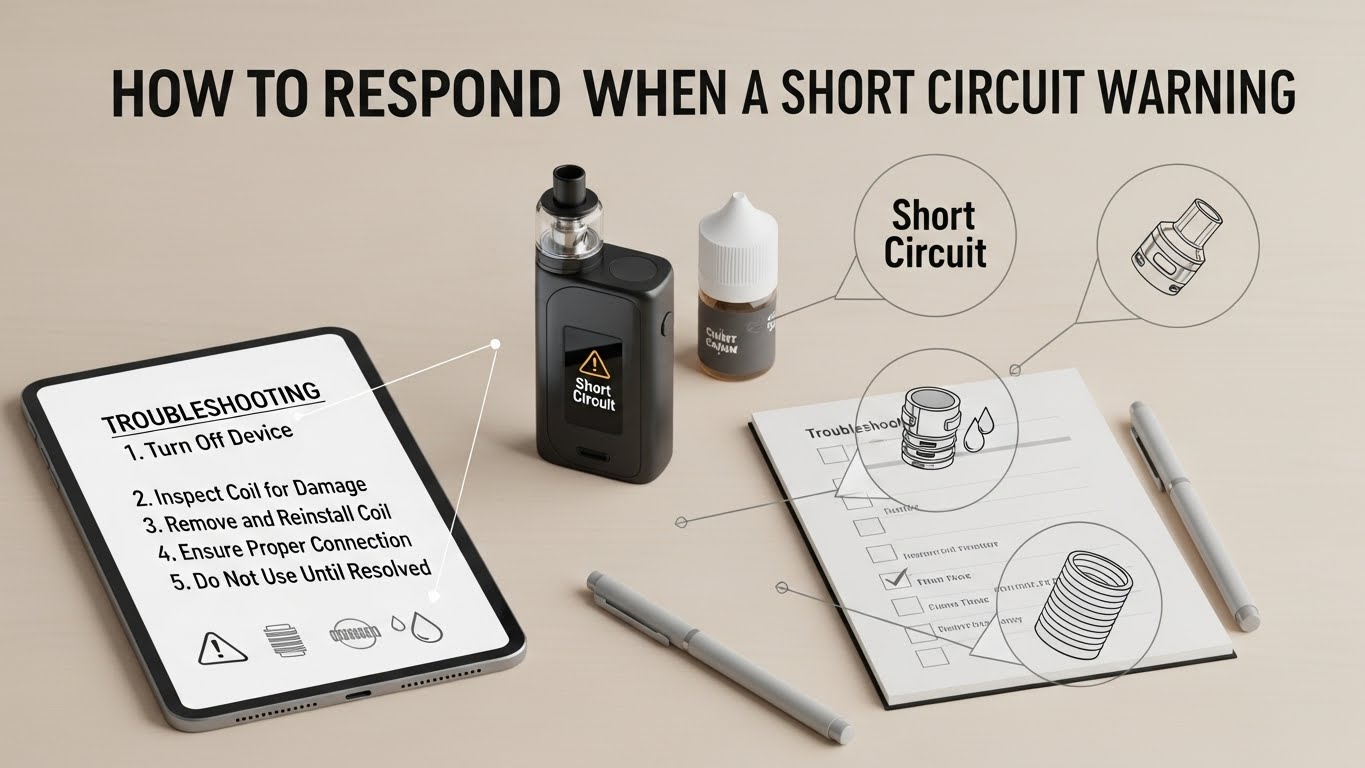
In today’s fast-paced world, creating a peaceful atmosphere is essential for productivity and relaxation. One way to enhance this tranquility is through the flavors we choose in our food and beverages. The right selection can significantly impact the ambiance of a space. This article will explore how to choose less sweet flavors that are perfect for quiet environments, offering tips, suggestions, and insights into the benefits of these choices. Click here: https://e-liquids.com/collections/vape-juice
Understanding the Impact of Sweetness

The Science of Sweetness

Sweet flavors, while enjoyable, can evoke varying emotional responses. They often create a sense of excitement and energy, which may not be conducive to a calm environment. Consuming overly sweet foods can lead to energy spikes and crashes, potentially increasing anxiety and restlessness. In contrast, less sweet flavors tend to promote a more stable and soothing experience. Read more: https://e-liquids.com/collections/vape-kits

The Role of Flavor in Atmosphere

The flavors we incorporate into our meals or snacks can significantly influence the atmosphere of a setting. In quiet environments, such as libraries, offices, or meditation spaces, it’s important to choose flavors that support a serene and focused atmosphere. This often means opting for less sweet options that encourage relaxation and mindfulness.

Tips for Choosing Less Sweet Flavours

1. Explore Herbal and Floral Notes

Herbs and florals can add complexity to your culinary creations without the overpowering sweetness. Consider using:

– Lavender: Known for its calming properties, lavender can enhance teas and baked goods.

– Rosemary: This herb adds a savory touch to roasted vegetables and meats.

– Chamomile: A soothing tea that is naturally sweet but not overpowering, perfect for quiet moments.

2. Embrace Savory Flavours

Savory flavors can provide depth and satisfaction without the need for sweetness. Incorporate ingredients such as:

– Umami-rich Foods: Ingredients like mushrooms, tomatoes, and aged cheeses can add richness to dishes.

– Spices: Experiment with spices like cumin, coriander, and smoked paprika to create layered flavors in your meals.

– Nuts and Seeds: Roasted nuts and seeds can be a satisfying snack that offers crunch without excessive sweetness.

3. Opt for Tart and Bitter Flavours

Tart and bitter flavors can be refreshing and invigorating, making them ideal for quiet settings. Consider these options:

– Citrus Fruits: Lemons, limes, and grapefruits provide a zesty zing that can enliven beverages and dishes.

– Dark Chocolate: When choosing chocolate, opt for varieties with high cocoa content (70% or higher) for a rich, bitter experience.

– Bitter Greens: Incorporate kale, arugula, or dandelion greens into salads for a flavorful contrast to traditional sweet salads.

4. Try Natural Sweeteners in Moderation

If you desire a hint of sweetness without overwhelming your palate, consider using natural sweeteners sparingly:

– Honey: A small drizzle can enhance herbal teas without making them overly sweet.

– Maple Syrup: A touch can complement savory dishes, such as roasted Brussels sprouts.

– Stevia: This natural sweetener has no calories and can be a good alternative for those watching their sugar intake.

Creating a Balanced Menu

Breakfast Ideas

For a peaceful start to the day, try oatmeal topped with nuts, seeds, and a sprinkle of cinnamon. Alternatively, a vegetable omelet with herbs can provide a savory and satisfying breakfast option.

Lunch Suggestions

A quinoa salad with roasted vegetables, avocado, and a light lemon dressing offers a balanced meal that is flavorful without being overly sweet. Pair it with a herbal tea to maintain the calm atmosphere.

Snack Options

For a quiet afternoon snack, consider hummus with crunchy vegetables or a handful of unsweetened trail mix. These options are satisfying and keep the energy levels steady without the sugar rush.

Beverage Choices

When selecting beverages for quiet environments, focus on:

– Herbal Teas: Varieties like peppermint or chamomile can be soothing and flavorful.

– Infused Water: Add slices of cucumber or berries to water for a hint of flavor without added sugars.

– Coffee with a Twist: Try unsweetened cold brew or black coffee, and add a splash of almond milk for creaminess without sweetness.

Conclusion

Choosing less sweet flavors for quiet environments can significantly enhance the atmosphere, promoting relaxation and focus. By exploring herbal, savory, tart, and bitter options, you can create a balanced menu that fosters serenity. Whether you’re at home, in the office, or enjoying a quiet moment at a café, the flavors you select can transform your experience. Embrace this mindful approach to flavor and watch as your surroundings become more harmonious and enjoyable.

Tissue Samples: A Comprehensive Guide to Their Importance, Types, and ApplicationsTissue Samples: A Comprehensive Guide to Their Importance, Types, and Applications

Tissue samples play a critical role in modern science, medicine, and research. From diagnosing diseases to advancing medical treatments and understanding biological processes, tissue samples are foundational to progress in healthcare and life sciences. A tissue sample refers to a small piece of tissue taken from a living organism—human, animal, or plant—for examination, testing, or research purposes. These samples allow scientists and medical professionals to study cells in their natural structure, providing insights that blood tests or imaging alone cannot offer tissue microarray.

With advancements in technology, the use of tissue samples has expanded rapidly. They are now essential in pathology, oncology, genetics, drug development, and personalized medicine. This article explores tissue samples in depth, covering their types, collection methods, preservation techniques, ethical considerations, and wide-ranging applications.

What Are Tissue Samples?

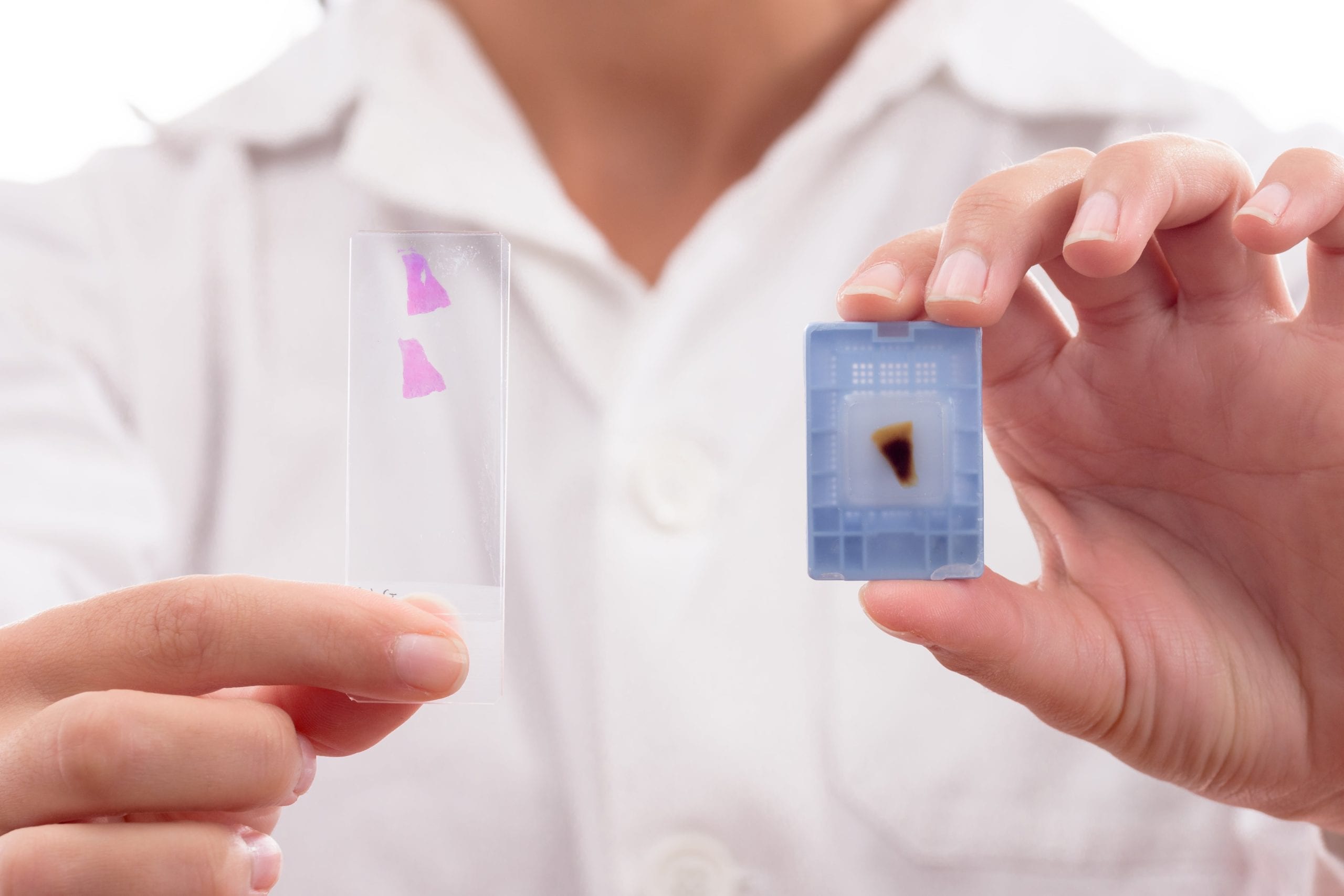
Tissue samples are small sections of tissue removed from the body to be examined under a microscope or analyzed using advanced laboratory techniques. Unlike fluids such as blood or urine, tissue samples preserve the architecture of cells, allowing experts to observe how cells interact with one another. This structural context is vital for accurate diagnosis and research.

Tissue samples can come from various parts of the body, including skin, muscle, organs, or tumors. They are often collected during biopsies, surgeries, or autopsies and can be processed in multiple ways depending on the intended analysis.

Types of Tissue Samples

There are several types of tissue samples, each used for specific diagnostic or research purposes:

1. Biopsy Tissue Samples

Biopsy tissue samples are the most common type used in clinical medicine. A biopsy involves removing a small piece of tissue from a suspicious area to determine whether disease is present. Biopsies are frequently used to diagnose cancer, infections, and inflammatory conditions.

Common biopsy methods include:

  • Needle biopsy: Uses a thin needle to extract tissue
  • Core biopsy: Removes a larger tissue core
  • Excisional biopsy: Removes the entire abnormal area
  • Incisional biopsy: Removes only part of the tissue

2. Surgical Tissue Samples

Surgical tissue samples are collected during medical procedures or operations. These samples are often larger and provide more comprehensive information. They are crucial for confirming diagnoses and guiding treatment decisions, especially in cancer surgeries.

3. Post-Mortem Tissue Samples

Post-mortem tissue samples are collected during autopsies to determine the cause of death or to study disease progression. These samples are also valuable for medical research and education.

4. Research Tissue Samples

Research tissue samples are collected specifically for scientific studies. These samples help researchers understand disease mechanisms, test new treatments, and develop medical innovations.

Methods of Collecting Tissue Samples

The collection of tissue samples must be performed carefully to ensure accuracy and patient safety. The method used depends on the tissue location, size, and purpose of analysis.

Biopsy Procedures

Biopsies are usually performed under local or general anesthesia. Imaging techniques such as ultrasound, CT scans, or MRI may guide the procedure to ensure precise sampling.

Surgical Collection

During surgery, tissue samples are removed directly by surgeons. These samples are often sent immediately to pathology labs for rapid analysis, sometimes while the patient is still in the operating room.

Minimally Invasive Techniques

Advances in technology have led to minimally invasive methods for collecting tissue samples, reducing patient discomfort and recovery time. Endoscopy and laparoscopy are common examples.

Preservation and Storage of Tissue Samples

Proper preservation of tissue samples is essential to maintain their integrity and usefulness. Once collected, tissue samples must be processed quickly to prevent degradation.

Fixation

Fixation is the process of preserving tissue samples using chemicals such as formalin. This method stabilizes cellular structures and prevents decay, making samples suitable for microscopic examination.

Freezing

Some tissue samples are frozen at extremely low temperatures to preserve DNA, RNA, and proteins. Frozen tissue samples are commonly used in genetic and molecular research.

Paraffin Embedding

After fixation, many tissue samples are embedded in paraffin wax. This technique allows thin tissue sections to be cut and mounted on slides for detailed examination.

Analysis of Tissue Samples

Once preserved, tissue samples undergo various analyses depending on the diagnostic or research goals.

Histopathology

Histopathology involves examining tissue samples under a microscope to identify abnormal cells or structures. It is the gold standard for diagnosing many diseases, including cancer.

Immunohistochemistry

This technique uses antibodies to detect specific proteins within tissue samples. It helps identify cell types and disease markers.

Molecular Analysis

Modern laboratories use molecular techniques such as PCR and sequencing to analyze genetic material within tissue samples. These methods are essential for personalized medicine and targeted therapies.

Applications of Tissue Samples in Medicine

Tissue samples have countless applications in healthcare:

Disease Diagnosis

Accurate diagnosis of diseases often relies on tissue samples. Conditions such as cancer, autoimmune disorders, and infections can be confirmed through tissue analysis.

Treatment Planning

Doctors use information from tissue samples to plan effective treatments. For example, cancer therapy choices often depend on tumor type and genetic markers found in tissue samples.

Monitoring Disease Progression

Repeated analysis of tissue samples can help monitor how a disease progresses or responds to treatment.

Role of Tissue Samples in Medical Research

In research, tissue samples are invaluable. They allow scientists to study disease mechanisms, test new drugs, and develop innovative therapies. Biobanks store large collections of tissue samples, providing researchers with access to diverse and well-documented specimens.

Tissue samples have been instrumental in breakthroughs such as cancer immunotherapy, regenerative medicine, and stem cell research.

Ethical and Legal Considerations

The collection and use of tissue samples raise important ethical and legal issues. Informed consent is essential, meaning patients must understand how their tissue samples will be used.

Privacy and data protection are also critical, especially when tissue samples are linked to genetic information. Many countries have strict regulations governing the storage and use of tissue samples to protect patient rights.

Challenges in Handling Tissue Samples

Despite their importance, working with tissue samples presents challenges:

  • Risk of contamination
  • Degradation over time
  • High costs of storage and processing
  • Ethical concerns regarding consent and ownership

Addressing these challenges requires strict protocols, advanced technology, and clear regulations.

Future of Tissue Samples

The future of tissue samples is closely tied to technological advancements. Artificial intelligence, digital pathology, and improved molecular techniques are transforming how tissue samples are analyzed. These innovations promise faster diagnoses, more accurate results, and personalized treatment options.

Additionally, the development of organoids and 3D tissue cultures may reduce the need for traditional tissue samples while still providing valuable insights.

Conclusion

Tissue samples are a cornerstone of modern medicine and scientific research. Their role in diagnosing diseases, guiding treatments, and advancing medical knowledge cannot be overstated. As technology evolves, the collection, preservation, and analysis of tissue samples will continue to improve, offering new possibilities for healthcare and research.

Understanding tissue samples—from their types and collection methods to their ethical implications—helps highlight their immense value. Whether in a clinical lab or a research facility, tissue samples remain essential tools in the quest to improve human health and scientific understanding.