
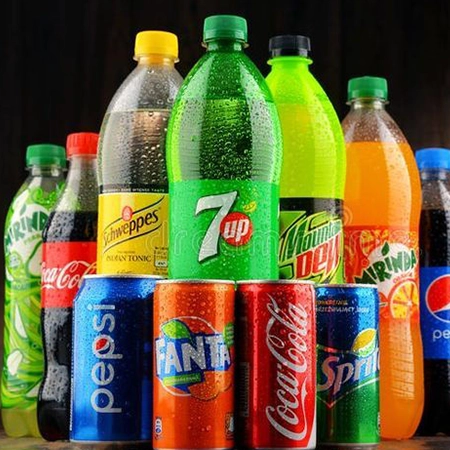
The European wholesale beverage industry is one of the most dynamic and competitive markets in the world. With a market valued in the hundreds of billions and driven by constant innovation, evolving consumer preferences, and strict regulations, success requires more than just supp products. It demands strategic thinking, adaptability, and a deep understanding of market trends.
This article explores key strategies and insights that can help businesses thrive in this competitive landscape.
Understanding the European Beverage Market Landscape
Before entering or expanding in Europe, it is crucial to understand the structure of the market. The European beverage sector is vast and diverse, covering alcoholic drinks, soft drinks, functional beverages, and bottled water. It continues to grow steadily, with a projected compound annual growth rate (CAGR) of around 4.2%.
However, the market is also highly fragmented. Large multinational companies dominate certain segments, while smaller regional producers and craft brands are gaining traction by targeting niche audiences.
Additionally, countries like Germany, France, the United Kingdom, Italy, and Spain account for a significant share of consumption, making them key target markets for wholesalers.
To succeed, wholesalers must understand regional differences in taste, regulations, and distribution channels.
Adapting to Changing Consumer Preferences
One of the biggest drivers of change in Europe’s beverage industry is shifting consumer behavior. Modern consumers are more health-conscious and selective about what they drink.
Key trends include:
- Growing demand for low-sugar and organic beverages
- Rising popularity of functional drinks with added health benefits
- Increasing interest in non-alcoholic alternatives
For example, non-alcoholic beverage sales in Europe have grown significantly, while alcohol consumption has declined in several segments.
Wholesalers who adapt their product portfolios to include healthier and innovative options will be better positioned to meet demand and stay competitive.
Embracing Premiumization
European consumers are increasingly willing to pay more for quality, authenticity, and unique experiences. This trend, known as premiumization, is reshaping the industry.
Rather than focusing solely on volume, successful wholesalers are:
- Partnering with premium and craft beverage brands
- Offering unique and high-quality products
- Highlighting origin, ingredients, and brand story
Premium beverages not only deliver higher margins but also help businesses stand out in a crowded market.
Building Strong Supplier Relationships
A reliable and diverse supplier network is essential for success. In a competitive industry, access to exclusive or high-demand products can provide a significant advantage.
Wholesalers should:
- Develop long-term partnerships with manufacturers
- Work with both global brands and local producers
- Ensure consistent product quality and availability
Smaller craft producers, in particular, offer opportunities for differentiation, as they often provide unique products that appeal to niche markets.
Leveraging Digital Transformation
Digitalization is transforming the European soft drinks wholesale supplier beverage industry. From supply chain management to customer engagement, technology plays a crucial role in improving efficiency and competitiveness.
Key digital strategies include:
- E-commerce platforms for direct-to-business sales
- Data analytics for demand forecasting
- Customer relationship management (CRM) systems
- Digital marketing and social media engagement
The rise of online ordering and direct-to-consumer channels has made it easier for wholesalers to reach a broader audience and streamline operations.
Navigating Regulations and Compliance
Europe has some of the strictest regulations in the world when it comes to food and beverages. These include rules related to labeling, packaging, safety, and environmental impact.
For example:
- The EU promotes recyclable packaging and sustainability initiatives
- Regulations such as the Single-Use Plastics Directive influence packaging choices
- Deposit-return systems (DRS) are widely implemented
Compliance is not optional—it is a critical requirement for operating in the market. Businesses that proactively align with regulations can also use sustainability as a competitive advantage.
Prioritizing Sustainability
Sustainability has become a central focus in the European beverage industry. Consumers and regulators alike expect companies to minimize their environmental impact.
Key sustainability practices include:
- Using recyclable or biodegradable packaging
- Reducing carbon emissions in production and logistics
- Supporting circular economy initiatives
For instance, beverage companies are increasingly adopting eco-friendly packaging solutions and investing in recycling systems.
Wholesalers that prioritize sustainability can strengthen their brand reputation and attract environmentally conscious customers.
Optimizing Distribution and Logistics
Efficient distribution is a cornerstone of success in wholesale. Europe’s complex geography and diverse markets make logistics a critical challenge.
Successful wholesalers focus on:
- Building strong distribution networks
- Ensuring timely deliveries
- Managing inventory effectively
- Reducing transportation costs
Technology such as route optimization software and warehouse automation can significantly improve efficiency.
Differentiating Through Branding and Marketing
Even in wholesale, branding matters. Businesses must clearly communicate their value proposition to stand out.
Effective strategies include:
- Creating a strong brand identity
- Offering excellent customer service
- Providing value-added services such as product recommendations
- Using digital marketing to reach clients
Storytelling is particularly powerful in the beverage industry, where consumers often connect with the heritage and authenticity of products.
Expanding Through Strategic Partnerships
Collaboration is key in a competitive market. Wholesalers can benefit from partnerships with:
- Retailers and hospitality businesses
- Logistics providers
- Marketing agencies
- Technology platforms
Strategic alliances can help businesses expand their reach, improve efficiency, and access new markets.
Adapting to Changing Consumer Preferences
0
The European beverage industry is constantly evolving. Trends such as the rise of ready-to-drink (RTD) beverages, changing alcohol consumption patterns, and the growth of e-commerce require businesses to remain flexible.
For example:
- RTD beverages and convenience products are gaining popularity
- Younger consumers are drinking less alcohol but choosing higher-quality options
- Digital engagement is becoming increasingly important
Businesses that can quickly adapt to these changes will have a significant competitive advantage.
Adapting to Changing Consumer Preferences
1
Data-driven decision-making is essential for success. Understanding customer preferences, market trends, and competitor strategies can help wholesalers make informed decisions.
Key areas to focus on:
- Consumer behavior analysis
- Sales data tracking
- Market trend forecasting
- Competitor benchmarking
Using data effectively allows businesses to anticipate changes and respond proactively.
Adapting to Changing Consumer Preferences
2
Succeeding in the competitive European wholesale beverage industry requires a combination of strategic planning, innovation, and adaptability. Businesses must stay ahead of consumer trends, embrace digital transformation, and prioritize sustainability while maintaining strong supplier relationships and efficient logistics.
The market offers significant opportunities, but only for those who are willing to evolve. By focusing on quality, differentiation, and customer needs, wholesalers can not only survive but thrive in this dynamic and ever-changing industry.
Ultimately, success comes down to one key principle: understanding the market and continuously adapting to meet its demands.


