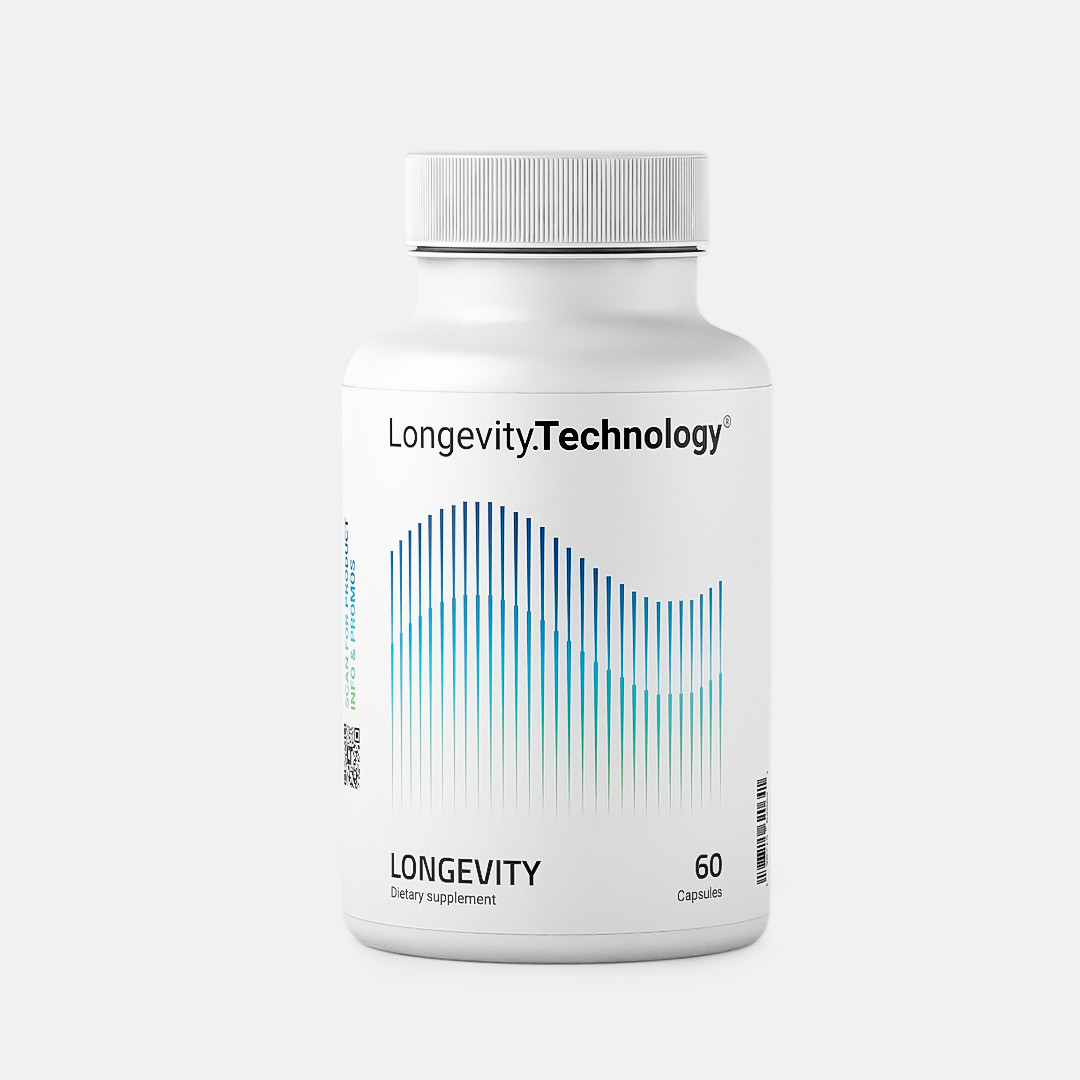
Health optimisation supplements are rapidly evolving as science, technology, and consumer awareness continue to advance. What was once limited to basic vitamins and minerals has now expanded into a sophisticated industry focused on personalised nutrition, targeted biohacking, and preventive healthcare. The future of this space promises smarter, safer, and more effective solutions designed to enhance both physical and mental performance.
A Shift Toward Personalised Supplementation
One of the most significant trends shaping the future is personalised supplementation. Instead of a one-size-fits-all approach, future supplements will be tailored to an individual’s unique biology. Advances in genetic testing, microbiome analysis, and wearable health devices are making this possible.
Companies like 23andMe and similar platforms are already offering insights into genetic predispositions, allowing users to understand which nutrients they may need more or less of. In the coming years, this data will be integrated with AI-powered health platforms to create highly customised supplement regimens based on real-time health metrics.
This approach not only improves effectiveness but also reduces the risk of over-supplementation or unnecessary intake, which can sometimes lead to adverse effects.
Integration of Artificial Intelligence and Data
Artificial intelligence (AI) is set to play a major role in the evolution of supplements. AI algorithms can analyse massive datasets from clinical studies, wearable devices, and user health records to recommend optimal supplement combinations and dosages.
For example, health platforms may use AI to track sleep patterns, stress levels, heart rate variability, and nutrient deficiencies, adjusting supplement recommendations dynamically. This will transform supplements from static daily pills into adaptive health solutions that respond to the body’s changing needs.
Moreover, AI-driven apps will likely become central to health optimisation ecosystems, helping users track progress and refine their routines over time.
The Rise of Smart Supplements
The concept of “smart supplements” is gaining traction. These are formulations designed with enhanced delivery systems, such as time-release capsules, nano-encapsulation, and targeted nutrient delivery.
Such innovations ensure that nutrients are absorbed more efficiently and reach the parts of the body where they are needed most. For example, future supplements may be engineered to release nutrients during specific times of the day, such as sleep aids that activate at night or energy boosters that release in the morning.
This level of precision could significantly improve the effectiveness of supplementation while reducing waste and improving user outcomes.
Focus on Gut Health and the Microbiome
Scientific research is increasingly highlighting the importance of the gut microbiome in overall health. As a result, future supplements will place a stronger emphasis on supporting gut health.
Probiotics, prebiotics, and postbiotics are expected to become even more advanced, with formulations tailored to individual gut profiles. Personalized microbiome testing will help identify specific bacterial imbalances, leading to targeted solutions that improve digestion, immunity, and even mental health.
The connection between the gut and the brain, often referred to as the gut-brain axis, is also driving innovation. Supplements that support both digestive and cognitive health will likely become more common.
Natural and Clean Label Products
Consumers are becoming more conscious about what they put into their bodies. This has led to a growing demand for natural, organic, and clean-label supplements. The future will see a shift away from synthetic additives, artificial fillers, and unnecessary preservatives.
Brands like Garden of Life have already capitalised on this trend by offering organic, non-GMO products with transparent ingredient sourcing. In the future, transparency will be a standard expectation rather than a marketing advantage.
Sustainability will also play a major role. Eco-friendly packaging, ethically sourced ingredients, and environmentally responsible manufacturing processes will become increasingly important in shaping consumer choices.
Preventive Health and Longevity Focus
Health optimisation is moving from treatment to prevention. Instead of waiting for illness to occur, people are increasingly using supplements to maintain long-term health and prevent disease.
This shift aligns with the growing interest in longevity science. Researchers and companies are exploring supplements that support cellular health, reduce inflammation, and slow down the ageing process. Ingredients such as antioxidants, adaptogens, and compounds like NAD+ boosters are gaining attention for their potential anti-ageing benefits.
In the future, supplements may be specifically designed to target age-related decline, helping individuals maintain vitality, cognitive function, and physical performance well into older age.
Mental Health and Cognitive Enhancement
Another exciting area of development is cognitive health. Supplements designed to enhance memory, focus, and mental clarity—often referred to as nootropics—are expected to grow in popularity.
Future formulations may combine natural ingredients with scientifically validated compounds to support brain function without side effects. As mental health awareness increases, supplements that help manage stress, anxiety, and mood will become more mainstream.
Additionally, there will be greater collaboration between neuroscientists and supplement manufacturers to create evidence-based cognitive enhancers.
Regulatory Advancements and Safety Improvements
As the supplement industry grows, so will the need for stricter regulations and quality control. Governments and regulatory bodies are likely to implement more rigorous testing and labelling requirements to ensure product safety and efficacy.
This will help eliminate low-quality or misleading products from the market, giving consumers greater confidence in what they are purchasing. Advanced testing technologies, such as blockchain for supply chain transparency, may also be used to verify ingredient authenticity and traceability.
Digital Health Ecosystems
The future of supplements will not exist in isolation. Instead, they will be part of broader digital health ecosystems. These ecosystems will combine wearable devices, health apps, AI analytics, and personalised supplements into a single integrated system.
Users will be able to track their health data in real time, receive recommendations, and adjust their supplement intake accordingly. This holistic approach will make health optimisation more accessible and data-driven than ever before.
A Shift Toward Personalised Supplementation
0
The future of health optimisation supplements is bright and full of innovation. With advancements in personalised nutrition, artificial intelligence, smart delivery systems, and microbiome science, supplements are becoming more precise and effective than ever before.
At the same time, consumer demand for transparency, sustainability, and natural ingredients is shaping the industry into a more responsible and health-focused space. As we move forward, health optimisation supplements will no longer be just an addition to a healthy lifestyle—they will be an integral part of a personalised, data-driven approach to long-term wellness and peak human performance.
Ultimately, the future lies in combining science, technology, and individual health insights to create smarter solutions that truly optimise the human body and mind.