
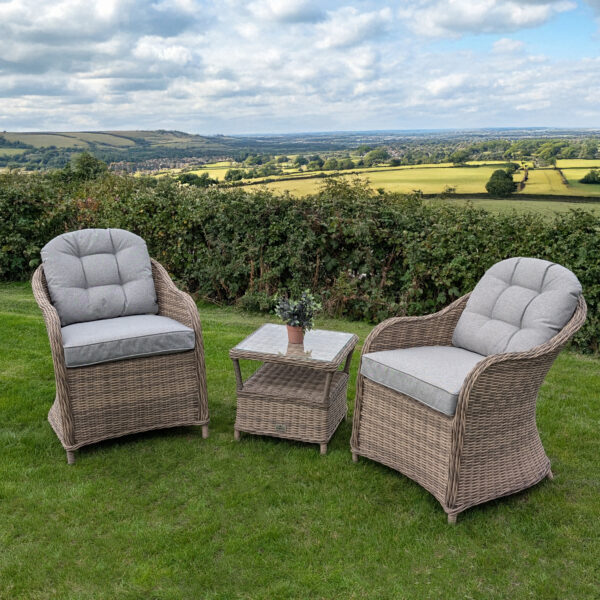
Outdoor spaces have become an extension of the modern home. Whether it’s a small balcony, a spacious backyard, or a luxurious garden, people now view outdoor areas as places to relax, entertain, and recharge. At the heart of every well-designed outdoor space is patio furniture. The right patio furniture not only enhances the beauty of your exterior but also improves comfort, functionality, and overall lifestyle.
In this comprehensive guide, we’ll explore everything you need to know about patio furniture—types, materials, design tips, maintenance, and how to choose the best options for your space and budget.
What Is Patio Furniture?
Patio furniture refers to outdoor furniture specifically designed to withstand outdoor conditions such as sunlight, rain, humidity, and temperature changes. Unlike indoor furniture, patio furniture is made with durable materials that resist weather damage while still offering comfort and style.
Common pieces of patio furniture include chairs, tables, sofas, loungers, benches, dining sets, umbrellas, and accessories like cushions and side tables.
Why Patio Furniture Is Important
Investing in quality patio furniture transforms an ordinary outdoor area into a functional living space. Here’s why it matters:
- Comfort: Proper seating and tables allow you to enjoy your outdoor space for longer periods.
- Aesthetic appeal: Stylish patio furniture enhances curb appeal and complements landscaping.
- Entertainment: Outdoor dining sets and lounge furniture make hosting guests easy and enjoyable.
- Property value: Well-designed outdoor spaces can increase the overall value of your home.
- Lifestyle upgrade: Patio furniture encourages outdoor relaxation, family time, and social gatherings.
Types of Patio Furniture
Choosing the right type of patio furniture depends on how you plan to use your outdoor space. Below are the most popular categories.
1. Patio Dining Sets
Patio dining sets are perfect for outdoor meals, barbecues, and family gatherings. They usually include a table and matching chairs and come in various sizes, from compact bistro sets to large dining tables for 8–10 people.
Best for: Outdoor dining, entertaining guests
Common materials: Aluminum, teak, wrought iron, resin wicker
2. Outdoor Lounge Furniture
Lounge furniture focuses on relaxation and comfort. This category includes sofas, sectionals, armchairs, ottomans, and coffee tables.
Best for: Relaxing, socializing, poolside areas
Popular styles: Modular sectionals, deep seating sets
3. Patio Chairs
Patio chairs are versatile and can be used alone or with tables. Options include Adirondack chairs, rocking chairs, folding chairs, and swivel chairs.
Best for: Small spaces, flexible seating
Bonus: Easy to rearrange and store
4. Chaise Lounges and Sunbeds
These are designed for sunbathing and poolside relaxation. Many chaise lounges feature adjustable backs and wheels for easy movement.
Best for: Pools, gardens, sunny patios
Materials: Plastic resin, aluminum, teak
5. Bistro Sets
Bistro sets usually include two chairs and a small table. They are compact and ideal for balconies or small patios.
Best for: Apartments, cafés, small outdoor areas
Style: Cozy, European-inspired
6. Patio Umbrellas and Accessories
While not seating, accessories complete the patio furniture setup. Umbrellas provide shade, while side tables, fire pits, and outdoor rugs add comfort and personality.
Popular Patio Furniture Materials
The durability and appearance of patio furniture depend heavily on the material. Let’s explore the most common options.
1. Aluminum Patio Furniture
Aluminum is lightweight, rust-resistant, and easy to maintain. It’s one of the most popular choices for modern patio furniture.
Pros:
- Rust-proof
- Lightweight
- Affordable
Cons:
- Can get hot in direct sunlight
- May feel less sturdy in strong winds
2. Wicker and Resin Wicker
Traditional wicker is made from natural fibers, while resin wicker is synthetic and better suited for outdoor use.
Pros:
- Stylish and comfortable
- Weather-resistant (resin wicker)
- Works well with cushions
Cons:
- Natural wicker is not suitable for rain
- Lower-quality resin can fade over time
3. Wood Patio Furniture
Wooden patio furniture offers a natural and timeless look. Teak, cedar, eucalyptus, and acacia are popular choices.
Pros:
- Elegant appearance
- Strong and durable
- Eco-friendly options available
Cons:
- Requires regular maintenance
- Can be expensive (especially teak)
4. Wrought Iron Furniture
Wrought iron patio furniture is heavy, classic, and extremely durable.
Pros:
- Very sturdy
- Traditional, elegant look
- Wind-resistant
Cons:
- Can rust without proper coating
- Heavy and difficult to move
5. Plastic and Resin Furniture
Plastic patio furniture is budget-friendly and easy to clean. Modern resin designs look much more stylish than older plastic furniture.
Pros:
- Affordable
- Lightweight
- Low maintenance
Cons:
- Less durable
- Can fade or crack over time
How to Choose the Right Patio Furniture
Selecting the perfect patio furniture requires more than just liking how it looks. Consider the following factors.
1. Measure Your Space
Before buying, measure your patio, deck, or balcony carefully. Make sure there’s enough room to move around comfortably after placing furniture.
2. Consider Climate and Weather
Your local climate plays a major role. For rainy or humid areas, choose rust-resistant and moisture-resistant materials. For hot climates, look for UV-resistant finishes and breathable cushions.
3. Decide on Functionality
Ask yourself:
- Will you dine outdoors often?
- Do you want a lounging or entertaining area?
- Is the space for family use or formal gatherings?
Your answers will guide the type of patio furniture you need.
4. Comfort Matters
Comfort is just as important as durability. Look for:
- Ergonomic chair designs
- Thick, high-quality cushions
- Adjustable features (reclining backs, footrests)
5. Match Your Style
Patio furniture should complement your home’s architecture and outdoor décor. Popular styles include:
- Modern: Clean lines, neutral colors, aluminum frames
- Rustic: Wooden furniture, earthy tones
- Coastal: White or light-colored wicker, blue accents
- Traditional: Wrought iron, ornate details
Patio Furniture Maintenance Tips
Proper care extends the life of your patio furniture and keeps it looking new.
Cleaning Tips
- Clean aluminum and plastic with mild soap and water.
- Use special cleaners for wood and metal.
- Wash cushions regularly and let them dry completely.
Protection
- Use furniture covers when not in use.
- Store cushions indoors during heavy rain or winter.
- Apply sealants or protective oils to wooden furniture.
Seasonal Care
- Inspect for rust, cracks, or loose screws.
- Tighten bolts and repaint metal furniture if needed.
Sustainable and Eco-Friendly Patio Furniture
As sustainability becomes more important, many homeowners are choosing eco-friendly patio furniture options.
- Recycled plastic furniture
- FSC-certified wood
- Low-impact manufacturing processes
- Durable designs that reduce waste
Eco-friendly patio furniture not only benefits the environment but also offers long-lasting performance.
Patio Furniture Trends
Outdoor design trends continue to evolve. Some popular patio outdoor furniture trends include:
- Modular outdoor sectionals
- Neutral and earthy color palettes
- Mixed materials (wood + metal)
- Outdoor sofas that look like indoor furniture
- Smart outdoor lighting and accessories
Conclusion
Patio furniture plays a vital role in creating a comfortable, stylish, and functional outdoor living space. With so many materials, designs, and styles available, choosing the right patio furniture may feel overwhelming—but with proper planning, it becomes an exciting opportunity to enhance your home.
By considering your space, climate, budget, and personal style, you can invest in patio furniture that offers years of comfort and enjoyment. Whether you’re hosting outdoor dinners, relaxing with a book, or enjoying family time, the right patio furniture turns your outdoor area into a true extension of your home.