
Deciding how to straighten your teeth can be both exciting and overwhelming. With modern orthodontic treatments, you’re no longer limited to traditional metal braces—clear aligners offer a discreet alternative. But which one is right for you? Understanding the differences, benefits, and considerations can help you make an informed choice. Here’s some expert advice from orthodontists to guide your decision.
Understanding Your Options
Traditional Braces
Braces have been the standard solution for straightening teeth for decades. They consist of metal brackets bonded to your teeth and connected by wires that gradually move your teeth into alignment.
Advantages:
-
Highly effective for complex misalignment and bite issues
-
Precise control over tooth movement
-
Durable and reliable for all ages
Considerations:
-
Highly visible
-
Can cause mild discomfort or irritation
-
Require careful brushing and flossing to avoid plaque buildup
Clear Aligners
Clear aligners, such as Invisalign, are removable plastic trays designed to fit snugly over your teeth. They work by app gentle pressure to gradually shift teeth into place.
Advantages:
-
Nearly invisible, making them popular with adults and teens
-
Removable for eating, drinking, and cleaning
-
Typically more comfortable than traditional braces
Considerations:
-
Require discipline—aligners must be worn 20-22 hours per day
-
May not be suitable for severe or complex dental cases
-
Can be more costly than traditional braces
Key Factors to Consider
1. Complexity of Your Case
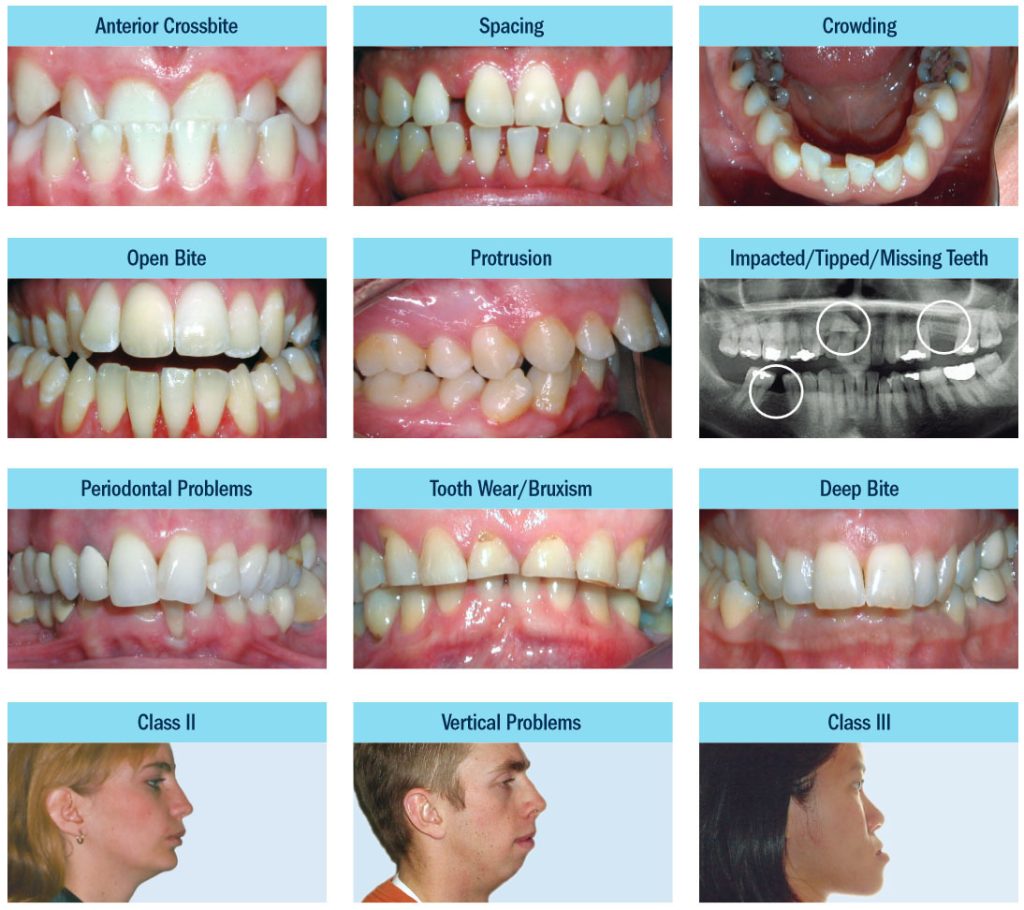
The severity of your misalignment often determines which treatment is best. Traditional braces are usually recommended for complex cases such as severe crowding, crossbites, or significant jaw misalignment. Aligners work well for mild to moderate misalignment and are increasingly effective with minor bite issues.
2. Appearance and Lifestyle
If aesthetics are a top priority—especially for adults—aligners offer a discreet solution. Braces are more noticeable, which may be a consideration for teens and professionals. Aligners are also convenient for those who play musical instruments or engage in contact sports, as they can be removed when necessary.
3. Comfort and Maintenance
Braces can cause temporary soreness after adjustments, and brackets or wires may irritate the inside of your mouth. Aligners generally offer smoother, more comfortable surfaces, though some initial tightness is normal. Both options require diligent oral hygiene, but aligners make brushing and flossing easier since they are removable.
4. Treatment Duration
Both braces and aligners can achieve excellent results, but treatment duration can vary. Traditional braces may offer slightly faster results for complex cases, while aligners may take longer depending on the severity of your alignment issues. Your orthodontist can provide a personalized estimate based on your specific situation.
5. Cost and Insurance
Cost is an important consideration. Braces are often less expensive than aligners, but insurance coverage and payment plans vary. Some orthodontists offer financing options to make treatments more affordable. Always discuss your budget and options upfront.
Questions to Ask Your Orthodontist
Before making a decision, schedule a consultation and ask your orthodontist these questions:
-
Which treatment is best for my specific alignment and bite issues?
-
How long will treatment take for braces versus aligners?
-
What are the costs, and are payment plans available?
-
What are the maintenance requirements and potential discomforts?
-
How often will I need visits or adjustments?
A good orthodontist in Fullerton, CA will listen to your preferences, assess your dental needs, and provide a clear, customized recommendation.
Red Flags to Watch Out For
-
Overly aggressive sales tactics or pressure to choose one option
-
Lack of explanation about risks or limitations of each treatment
-
Outdated equipment or techniques
-
Poor hygiene or clinic organization
Trust your instincts. Comfort, clarity, and professionalism are key.
Final Thoughts: Choosing What’s Right for You
Both braces and clear aligners can give you the smile you’ve always wanted. The right choice depends on your dental needs, lifestyle, comfort preferences, and budget. Traditional braces offer unmatched control for complex cases, while aligners provide a discreet, comfortable alternative for mild to moderate misalignment.
Ultimately, the best decision comes from a thorough consultation with a qualified orthodontist. They can help you weigh the pros and cons, tailor a treatment plan to your needs, and guide you toward the healthiest, most confident smile possible.
Taking the time to understand your options and asking the right questions ensures that your journey to a perfect smile is both effective and enjoyable.