

Author: AQ

Human Hair Wigs vs Synthetic Wigs: What You Need to KnowHuman Hair Wigs vs Synthetic Wigs: What You Need to Know

Choosing the right wig can be overwhelming, especially with so many options available. The two main categories are human hair wigs and synthetic wigs. Both have their unique advantages and drawbacks, and understanding the differences can help you make an informed decision that fits your lifestyle, budget, and styling needs.

1. Understanding Human Hair Wigs

Human hair wigs are crafted entirely from real human hair, offering unmatched realism. They can be styled, curled, straightened, and even colored, just like natural hair. Human hair wigs are often preferred by those seeking a natural look and the flexibility to change hairstyles regularly.

Key Features:

  • Natural texture and shine

  • Can withstand heat styling

  • Long-lasting if properly cared for

  • Often more expensive

2. Understanding Synthetic Wigs

Synthetic wigs are made from man-made fibers designed to mimic the appearance of natural hair. Modern synthetic wigs can look incredibly realistic, and high-end fibers like Kanekalon or Toyokalon provide a soft, natural feel. Unlike human hair wigs, synthetic wigs often come pre-styled, meaning they hold their shape even after washing.

Key Features:

  • Pre-styled and low maintenance

  • Resistant to weather changes

  • Affordable compared to human hair

  • Cannot handle high heat unless specified as heat-friendly

3. Appearance and Realism

When it comes to realism, human hair wigs have the edge. They move naturally, reflect light like natural hair, and blend seamlessly with your own hairline. Synthetic wigs have improved significantly, but some lower-quality options can appear shiny or stiff, making them look artificial.

However, high-quality synthetic wigs can replicate natural hair patterns and provide a realistic look for daily wear, especially for short-term use or events.

4. Styling and Versatility

Human hair wigs allow for unlimited styling options. You can curl, straighten, braid, or even dye them. Synthetic wigs, unless specifically labeled as heat-resistant, cannot tolerate high heat. They maintain their pre-set style, which can be convenient but limits versatility.

5. Maintenance Requirements

Human Hair Wigs:

  • Require regular washing and conditioning

  • Need careful detangling

  • Prone to dryness and damage if improperly cared for

  • Typically last 1–2 years or longer with proper maintenance

Synthetic Wigs:

  • Low-maintenance

  • Can be washed occasionally with cold water

  • Maintain style without styling tools

  • Typically last 4–6 months with regular use

6. Cost Comparison

Human hair wigs are more expensive due to the sourcing, processing, and styling flexibility of real hair. Prices can range from $200 to over $2,000, depending on quality and length. Synthetic wigs are more budget-friendly, ranging from $50 to $300, making them a suitable option for temporary or occasional use.

7. Longevity and Durability

Human hair wigs last longer but require careful handling and proper maintenance. Synthetic wigs are less durable in terms of daily styling but can maintain their style without extensive upkeep. Heat-friendly synthetic wigs offer more versatility but may still have a shorter lifespan than human hair.

8. Comfort and Wearability

Both wig types are generally comfortable when fitted correctly. However, human hair wigs can feel heavier due to the density of real hair. Synthetic wigs are lighter and easier for long-term wear, making them ideal for casual use or beginners.

9. Weather and Environmental Considerations

Human hair wigs react to humidity and rain just like natural hair, which can be a concern for those living in humid climates. Synthetic wigs are more resistant to weather changes, maintaining their shape and style regardless of humidity or precipitation.

10. Choosing the Right Wig for You

When deciding between human hair and synthetic wigs, consider the following:

  • Budget: Synthetic wigs are more cost-effective.

  • Lifestyle: If you plan to wear a wig daily and style it frequently, human hair may be ideal.

  • Maintenance Commitment: https://wigsretail44.com/product-category/womens/full-lace/ require more care and products.

  • Desired Look: For maximum realism and styling flexibility, human hair wins. For low-maintenance, pre-styled convenience, synthetic wigs are perfect.

11. Hybrid Options

Some wigs combine human and synthetic hair, offering a balance of realism and low maintenance. These blends can provide a natural look with some pre-styled convenience, making them suitable for those seeking the best of both worlds.

12. Final Thoughts

Both human hair and synthetic wigs have their place in modern beauty and haircare. Human hair wigs offer unparalleled realism and versatility but come with a higher cost and maintenance requirement. Synthetic wigs offer convenience, durability in style, and affordability, making them suitable for occasional wear or those new to wigs.

Ultimately, your choice depends on your personal needs, lifestyle, and how much time and care you are willing to invest. Understanding the strengths and limitations of each type ensures you select a wig that will make you look and feel your best.
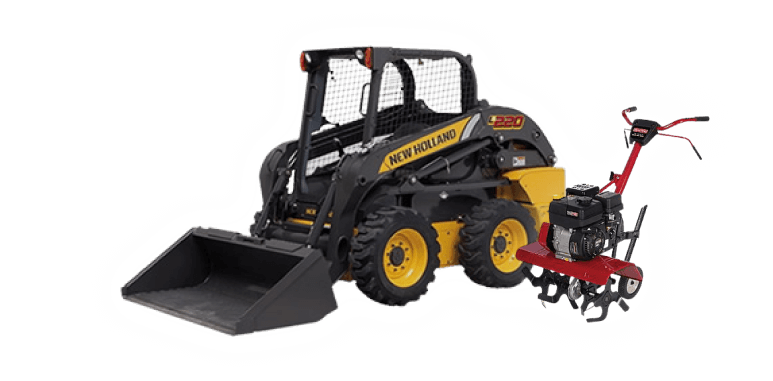
Industrial Heavy Equipment: Driving Modern Industry ForwardIndustrial Heavy Equipment: Driving Modern Industry Forward

Industrial heavy equipment plays a pivotal role in shaping the modern world. From constructing towering skyscrapers to facilitating large-scale mining operations, these machines are the backbone of industrial development. They are designed to perform tasks that would be impossible or highly inefficient with manual labor alone. The term “industrial heavy equipment” encompasses a wide range of machinery, each engineered for specific applications in construction, agriculture, mining, and other industrial sectors.

The Importance of Industrial Heavy Equipment

The significance of industrial heavy equipment in contemporary industry cannot be overstated. These machines increase productivity, reduce human labor requirements, and enhance safety on worksites. By handling tasks such as lifting, digging, drilling, and transporting heavy materials, industrial heavy equipment enables projects to be completed faster and more efficiently than ever before. Without these machines, modern infrastructure, such as highways, bridges, and industrial plants, would be nearly impossible to construct at scale.

Furthermore, industrial heavy equipment contributes to economic growth. Companies that invest in these machines can complete projects more quickly, meet tighter deadlines, and reduce operational costs. Industries like mining, for instance, rely heavily on equipment such as excavators and bulldozers to extract raw materials efficiently, which in turn supports manufacturing and energy production.

Types of Industrial Heavy Equipment

Industrial heavy equipment comes in many forms, each specialized for particular tasks. Below are some of the most commonly used types:

1. Excavators

Excavators are versatile machines widely used in construction, mining, and demolition. They consist of a boom, stick, and bucket attached to a rotating platform, allowing them to dig, lift, and move materials with precision. Modern excavators can also be fitted with attachments such as hydraulic hammers, grapples, and augers, making them suitable for a variety of industrial tasks.

2. Bulldozers

Bulldozers are robust machines equipped with a large, heavy blade at the front. They are primarily used for pushing large quantities of soil, sand, rubble, or other materials. Bulldozers are critical in site preparation, road building, and land clearing. Their tracks provide stability and traction, allowing them to operate in rough and uneven terrain where wheeled vehicles might struggle.

3. Cranes

Cranes are essential for lifting and transporting heavy materials vertically and horizontally on construction sites. They come in various types, including tower cranes, mobile cranes, and crawler cranes. Cranes are indispensable in constructing high-rise buildings, bridges, and industrial facilities, where precise placement of heavy components is required.

4. Loaders

Loaders, including wheel loaders and skid-steer loaders, are used to move materials like soil, gravel, and debris. They can scoop up materials and load them into trucks, spread them across surfaces, or transport them short distances on a site. Loaders improve efficiency in construction, agriculture, and mining operations.

5. Dump Trucks

Dump trucks are designed to transport bulk materials from one location to another. Equipped with hydraulic beds, these trucks can easily unload large quantities of sand, gravel, or excavated material. In mining and construction, dump trucks are crucial for moving raw materials and debris quickly and efficiently.

6. Graders

Graders are primarily used for leveling surfaces, such as roads and construction sites. They feature a long blade positioned between the front and rear axles, allowing precise grading and contouring. Graders are essential in road construction and maintenance, ensuring smooth and even surfaces.

7. Forklifts

Although smaller than some other heavy machinery, forklifts play an important role in industrial operations. They lift, transport, and stack heavy materials in warehouses, factories, and ports. Forklifts are integral to supply chain efficiency and material handling in various industrial sectors.

Innovations in Industrial Heavy Equipment

The industrial heavy equipment industry has seen significant technological advancements in recent years. Modern machines incorporate advanced features that improve safety, efficiency, and sustainability.

Automation and Remote Operation

Automation is transforming how industrial heavy equipment is operated. Remote-controlled and semi-autonomous machines allow operators to work from a safe distance, reducing the risk of accidents in hazardous environments. Fully autonomous equipment is now being tested in mining and construction, promising even greater efficiency and precision in the future.

Fuel Efficiency and Electrification

Traditional heavy equipment relies on diesel engines, which contribute to greenhouse gas emissions. Manufacturers are increasingly focusing on hybrid and electric machinery to reduce environmental impact. Electrification not only lowers emissions but also reduces noise and operational costs, making industrial heavy equipment more sustainable.

Advanced Telematics and IoT Integration

Industrial heavy equipment now often comes equipped with telematics systems that collect real-time data on machine performance, fuel consumption, and maintenance needs. This data helps companies optimize operations, reduce downtime, and extend the lifespan of machinery. IoT-enabled equipment allows for predictive maintenance, preventing costly breakdowns before they occur.

2. Bulldozers

0

Safety is a critical concern in industrial operations. Modern heavy equipment incorporates features such as rollover protection systems (ROPS), collision detection, and automated braking. Operator cabins are ergonomically designed and often equipped with air filtration, climate control, and advanced monitoring systems to ensure comfort and safety.

Challenges Facing the Industrial Heavy Equipment Industry

Despite its importance, the industrial heavy equipment sector faces several challenges:

2. Bulldozers

1

Industrial heavy equipment requires significant capital investment. Purchasing, maintaining, and operating these machines can be expensive, which may limit access for small or emerging businesses.

2. Bulldozers

2

Operating advanced heavy equipment requires skilled operators. The industry faces a shortage of trained personnel, which can affect productivity and safety.

2. Bulldozers

3

As governments worldwide impose stricter environmental regulations, manufacturers must innovate to reduce emissions and improve sustainability. Compliance with these regulations can increase manufacturing costs and influence design choices.

2. Bulldozers

4

Heavy machinery is subject to wear and tear due to the demanding conditions in which it operates. Regular maintenance is essential to avoid breakdowns and costly downtime, but it can be resource-intensive and require specialized expertise.

Future Trends in Industrial Heavy Equipment

The future of industrial heavy equipment looks promising, with several trends shaping the industry:

  1. Electrification and Renewable Energy Integration: As companies prioritize sustainability, the use of electric and hybrid equipment will continue to grow. Solar and renewable energy-powered machinery may also become more common.

  2. Artificial Intelligence and Machine Learning: AI-powered equipment can optimize operations, predict maintenance needs, and improve overall efficiency, reducing operational costs and environmental impact.

  3. Modular and Multi-Functional Machines: Manufacturers are developing equipment that can perform multiple tasks through interchangeable attachments, increasing versatility and reducing the need for multiple machines on-site.

  4. Globalization and Urbanization: Rapid urban development and infrastructure projects around the world will drive demand for industrial heavy equipment, particularly in emerging markets.

Conclusion

Industrial heavy equipment is indispensable to modern industry, powering construction, mining, agriculture, and logistics. From excavators and bulldozers to cranes and forklifts, these machines enable tasks that are impossible to achieve manually while improving efficiency, safety, and productivity. Advances in automation, electrification, and telematics are transforming the industry, making equipment more intelligent, sustainable, and safe.

Despite challenges like high costs, labor shortages, and stringent regulations, the industrial heavy equipment sector continues to evolve, driven by innovation and global demand. As technology progresses, these machines will become even more central to industrial operations, helping build the infrastructure, cities, and industries of the future. Investing in scissor lift rental cost equipment is not merely a choice but a necessity for companies aiming to remain competitive in today’s fast-paced industrial landscape.

Sewing Quilting: A Creative Craft That Blends Art and FunctionSewing Quilting: A Creative Craft That Blends Art and Function

Sewing quilting is a timeless craft that combines creativity, patience, and practical skill. For centuries, people around the world have used quilting to create warm blankets, decorative bedspreads, and meaningful heirlooms. What began as a practical method of stitching together layers of fabric for warmth has evolved into a beautiful art form that allows individuals to express their creativity through patterns, colors, and textures.

Today, some selection of coordinated fat quarters remains a popular hobby for beginners and experienced crafters alike. With the availability of modern tools, fabrics, and online tutorials, more people are discovering the joy of creating unique quilts by hand or with sewing machines.

Understanding the Basics of Sewing Quilting

At its core, quilting involves sewing together three layers of fabric: the quilt top, the batting (middle layer for warmth), and the backing fabric. These layers are stitched together in decorative or functional patterns to create a finished quilt.

The quilt top is usually made by sewing smaller pieces of fabric together into patterns or blocks. These blocks are then arranged and stitched to form a larger design. The batting layer adds thickness and insulation, while the backing fabric provides a smooth and durable finish.

Quilting stitches can be done by hand or machine. Hand quilting gives a traditional look with delicate stitches, while machine quilting is faster and allows for intricate patterns and designs.

The History of Quilting

Quilting has a rich and fascinating history that dates back thousands of years. Early quilts were often made out of necessity, using scraps of fabric to create warm bedding or clothing. In many cultures, quilting was also a way to preserve fabric pieces from worn-out garments.

In the United States, quilting became particularly popular in the 18th and 19th centuries. Communities often held quilting gatherings where people worked together to complete large quilts. These events were not only productive but also social, bringing neighbors together to share stories and traditions.

Over time, quilting developed into a respected craft and art form. Many historical quilts are now displayed in museums because of their cultural and artistic significance.

Essential Tools for Sewing Quilting

Getting started with sewing quilting does not require a large investment, but having the right tools makes the process easier and more enjoyable.

A good sewing machine is one of the most important tools for quilting. While hand sewing is still practiced, machines allow quilters to work faster and create consistent stitches. Many modern sewing machines include special quilting features such as walking feet and decorative stitch patterns.

Other essential tools include:

  • Rotary cutters for precise fabric cutting

  • Cutting mats to protect surfaces and ensure accuracy

  • Quilting rulers for measuring and shaping fabric pieces

  • Pins or clips to hold fabric layers together

  • High-quality thread designed for quilting

Choosing the right fabric is also important. Cotton fabric is the most commonly used material because it is durable, easy to sew, and available in countless patterns and colors.

Popular Quilting Techniques

Quilting offers many different techniques, each with its own style and level of complexity. Beginners often start with simple block patterns that involve sewing squares or rectangles together.

One popular method is patchwork quilting. In patchwork, small pieces of fabric are stitched together to form blocks with geometric patterns. These blocks are then arranged into a larger quilt design.

Another technique is appliqué quilting, where fabric shapes are sewn onto a background fabric to create images or decorative patterns. This method allows for greater artistic expression and often results in quilts that resemble paintings.

Paper piecing is another precise technique used to create complex designs. Fabric pieces are sewn onto a paper template, ensuring sharp angles and accurate patterns.

Each technique provides different creative possibilities, allowing quilters to develop their own style over time.

Designing a Quilt

One of the most enjoyable parts of sewing quilting is designing the quilt itself. The design process involves selecting colors, patterns, and layouts that work well together.

Many quilters draw inspiration from nature, architecture, or traditional quilt patterns. Some prefer bright, bold fabrics, while others choose soft, subtle color palettes.

Balance is an important design principle in quilting. Arranging blocks evenly and mixing colors carefully helps create a visually pleasing result. Some quilts follow strict geometric patterns, while others embrace a more modern, asymmetrical style.

Planning the design before sewing helps avoid mistakes and ensures that all pieces fit together properly.

Benefits of Sewing Quilting

Sewing quilting offers many benefits beyond simply creating beautiful blankets. For many people, quilting is a relaxing and therapeutic activity. The repetitive motion of stitching and cutting fabric can help reduce stress and promote mindfulness.

Quilting also provides a sense of accomplishment. Completing a quilt requires time, effort, and attention to detail. Seeing the finished product can be incredibly rewarding.

Another benefit is the opportunity to create personalized gifts. Handmade quilts are meaningful presents for weddings, birthdays, baby showers, and holidays. Because quilts take time and care to produce, they are often treasured for generations.

In addition, quilting encourages sustainability. Many quilters use fabric scraps, recycled clothing, or leftover materials, reducing waste while creating something beautiful.

Modern Trends in Quilting

While quilting has deep historical roots, modern quilters continue to experiment with new styles and techniques. Contemporary quilts often feature bold colors, minimalist designs, and unexpected fabric combinations.

Technology has also transformed the quilting world. Digital quilting machines can stitch complex patterns automatically, allowing quilters to produce professional-quality designs with ease.

Online communities and social media platforms have made it easier for quilters to share their work, learn new techniques, and connect with others who share their passion. Tutorials, pattern downloads, and virtual quilting groups have expanded access to this craft worldwide.

Tips for Beginners

Starting a sewing quilting project may seem overwhelming at first, but a few simple tips can make the learning process easier.

Begin with a small project such as a baby quilt or table runner. Smaller projects help build confidence and allow beginners to practice essential techniques without committing to a large piece.

Choose simple patterns with basic shapes. Straight lines and square blocks are easier to sew and help beginners develop accuracy.

Take time to measure and cut fabric carefully. Precise cutting ensures that pieces fit together properly and prevents frustration later in the process.

Finally, be patient. Quilting is a skill that improves with practice, and mistakes are part of the learning experience.

The Lasting Appeal of Sewing Quilting

Sewing quilting remains a beloved craft because it combines creativity, tradition, and practicality. Each quilt tells a story through its fabrics, colors, and patterns. Whether made for warmth, decoration, or personal expression, quilts carry the time and care invested in their creation.

From traditional patchwork designs to modern artistic creations, quilting continues to evolve while honoring its rich heritage. For those who enjoy working with fabric and exploring creative ideas, sewing quilting offers endless possibilities and lasting satisfaction.

With patience and imagination, anyone can begin their quilting journey and create pieces that are not only functional but also meaningful works of art.

Boulder Dentist Innovations: Modern Care for Every SmileBoulder Dentist Innovations: Modern Care for Every Smile

The world of dentistry has experienced a dramatic transformation over the past decade. Boulder dentists are at the forefront of this revolution, implementing innovative technologies and approaches to enhance patient care. From digital diagnostics to minimally invasive procedures, modern dentistry in Boulder focuses on efficiency, comfort, and superior outcomes for every smile Boulder Dental Professionals.

Advancements in Diagnostic Technology

Modern dentistry begins with accurate diagnostics. Boulder dental offices use advanced tools to assess patients’ oral health with precision:

  1. Digital Radiography – Digital X-rays provide clear images instantly, exposing less radiation than traditional film X-rays.

  2. 3D Imaging and Cone Beam CT – These technologies create detailed 3D models of teeth, jawbones, and soft tissues, aiding in complex treatments like implants or orthodontics.

  3. Intraoral Cameras – High-definition cameras allow patients to see the condition of their teeth and gums up close, enhancing understanding and treatment planning.

Minimally Invasive and Pain-Free Procedures

Boulder dentists prioritize patient comfort by employing minimally invasive techniques:

  1. Laser Dentistry – Lasers reduce bleeding, pain, and recovery time for procedures such as cavity removal, gum reshaping, and periodontal therapy.

  2. Air Abrasion – A drill-free technique that removes decay gently, preserving more natural tooth structure.

  3. Sedation Dentistry – Options such as nitrous oxide and oral sedation alleviate anxiety for nervous patients while enabling complex procedures to be performed safely.

Cosmetic and Aesthetic Innovations

Modern dentistry goes beyond health; it also focuses on aesthetics, helping patients achieve confident smiles:

  1. Teeth Whitening – Advanced whitening techniques offer faster, safer, and longer-lasting results.

  2. Veneers and Bonding – High-quality porcelain or composite veneers correct imperfections with natural-looking results.

  3. Digital Smile Design – Dentists use computer simulations to plan aesthetic treatments, allowing patients to visualize the outcome before procedures begin.

Implant and Restorative Advancements

Tooth loss no longer limits patients’ quality of life, thanks to modern restorative innovations:

  1. Dental Implants – Titanium or zirconia implants restore function and appearance with a long-lasting solution.

  2. CAD/CAM Technology – Computer-aided design and milling allow same-day crowns, bridges, and inlays for quicker restoration.

  3. Biocompatible Materials – Advances in materials ensure restorations are strong, durable, and safe for long-term use.

Preventive Innovations

Even preventive care has evolved in Boulder’s dental offices:

  1. Fluoride Varnishes and Sealants – Applied quickly, these protect teeth from decay, especially in children.

  2. Customized Oral Hygiene Plans – Digital monitoring and patient-specific strategies help prevent disease and maintain optimal oral health.

  3. Early Detection Tools – AI-powered software analyzes X-rays for early signs of cavities, bone loss, or oral cancer.

Pediatric and Family Dentistry Innovations

Modern care isn’t limited to adults; Boulder dentists are incorporating family-friendly innovations:

  • Interactive Education – Children learn proper oral hygiene using digital tools, games, and visual demonstrations.

  • Painless Procedures – Laser and air abrasion technology make dental visits less intimidating for young patients.

  • Customized Growth Monitoring – Dentists track the development of teeth and jaw alignment to prevent future orthodontic issues.

Sustainability and Eco-Friendly Dentistry

Modern Boulder dental practices are increasingly eco-conscious:

  • Digital Records – Reduce paper use while improving accessibility.

  • Mercury-Free Practices – Using safe, modern materials in restorations and fillings.

  • Energy-Efficient Equipment – Minimizing the environmental impact of dental procedures.

The Future of Dentistry in Boulder

Innovation in dentistry is ongoing. Emerging trends include:

  • AI Diagnostics – Machine learning will enhance early detection and personalized treatment planning.

  • Tele-dentistry – Remote consultations and follow-ups make care more accessible.

  • Regenerative Dentistry – Stem cell research and tissue engineering may one day enable the natural regrowth of teeth and gums.

Conclusion

Boulder dentists are embracing innovation to provide modern care for every smile. From advanced diagnostics and minimally invasive techniques to cosmetic excellence and eco-conscious practices, the evolution of dentistry is improving outcomes, comfort, and accessibility. Patients in Boulder now have access to comprehensive, state-of-the-art care that keeps their teeth healthy, functional, and beautiful for life.

Modern Tile Designs That Make a Bold StatementModern Tile Designs That Make a Bold Statement

Modern interior design continues to evolve, and one of the most exciting ways homeowners and designers are transforming spaces is through innovative tile designs. Tiles are no longer just practical surfaces for kitchens and bathrooms—they have become a powerful design element capable of defining the personality of an entire room. From dramatic patterns to unique textures, modern tile designs can create stunning visual impact and turn ordinary spaces into extraordinary ones.

In this article, we explore how modern tile designs make bold statements and how you can incorporate them into your home for a stylish and contemporary look.

The Rise of Modern Tile Design

In the past, tiles were primarily chosen for durability and easy maintenance. While those qualities remain important, modern design trends now emphasize creativity, aesthetics, and individuality. Today’s tiles come in a wide variety of shapes, colors, finishes, and materials, allowing homeowners to express their personal style like never before.

Modern tile design focuses on blending functionality with artistic expression. Whether used as a striking backsplash, a statement wall, or an eye-catching floor, tiles can dramatically enhance a room’s atmosphere.

Bold Patterns That Capture Attention

One of the most popular trends in modern tile design is the use of bold patterns. Geometric shapes, intricate mosaics, and repeating motifs can instantly draw the eye and create a focal point within a space.

Geometric tiles, such as hexagons, diamonds, and chevrons, are especially popular in contemporary homes. These shapes add depth and movement to surfaces, making them far more dynamic than traditional square tiles. When arranged creatively, patterned tiles can turn a simple wall or floor into a piece of art.

Many homeowners are also experimenting with contrasting colors in their tile patterns. Black and white combinations, for example, create a dramatic and timeless look that works beautifully in kitchens, bathrooms, and entryways.

Large Format Tiles for Dramatic Impact

Large format tiles are another modern trend that makes a bold statement. These oversized tiles create a sleek and seamless appearance with fewer grout lines, giving rooms a clean and sophisticated feel.

Large tiles are particularly effective in living areas, open kitchens, and bathrooms where a spacious and modern look is desired. They can also make smaller rooms appear larger by reducing visual clutter.

Designers often use large format tiles with natural stone or marble finishes to create a luxurious atmosphere. The expansive surfaces highlight the natural veining and texture of the material, adding elegance and refinement to the design.

Textured Tiles for Depth and Character

Modern tile designs are not limited to color and pattern. Texture is becoming an increasingly popular way to add character and dimension to interior spaces.

Textured tiles can feature subtle waves, raised patterns, or three-dimensional surfaces that catch the light in unique ways. These tiles are often used on feature walls in living rooms, bathrooms, or behind kitchen countertops.

The beauty of textured tiles lies in their ability to create visual interest even with neutral color palettes. A simple white or gray textured tile wall can feel sophisticated and modern without being overwhelming.

Vibrant Colors That Stand Out

While neutral tones remain popular in contemporary design, bold and vibrant tile colors are gaining attention. Deep blues, emerald greens, rich terracotta, and even bright yellows are being used to create striking interior spaces.

Colorful tiles can bring energy and personality into a room. For example, a vibrant backsplash can transform a simple kitchen into a lively and stylish cooking space. In bathrooms, bold-colored tiles can create a spa-like environment that feels both refreshing and luxurious.

Designers often balance strong colors with neutral furnishings and decor to keep the space visually balanced while still allowing the tiles to shine.

Unique Tile Shapes for Modern Style

Traditional square and rectangular tiles are now being joined by a wide variety of innovative shapes. Modern tile manufacturers are producing tiles in forms such as fish scales, elongated hexagons, arabesques, and scallops.

These unique shapes can be arranged in creative patterns to add personality and artistic flair to walls and floors. Fish scale tiles, for example, are popular for bathroom walls and kitchen backsplashes because they create a soft, flowing pattern that feels both modern and elegant.

Using unconventional tile shapes is an easy way to make a design statement without relying on bold colors or patterns.

Mixing Materials for a Contemporary Look

Another exciting aspect of modern tile design is the ability to mix different materials within the same space. Combining ceramic, porcelain, glass, marble, or metal tiles can create a layered and visually rich design.

For example, a kitchen backsplash might combine glossy glass tiles with matte stone tiles for contrast. In bathrooms, designers may mix marble tiles with metallic accents to create a luxurious and contemporary atmosphere.

This approach allows homeowners to experiment with textures, finishes, and colors to create a truly customized design.

Statement Walls with Modern Tiles

A statement wall is one of the most effective ways to showcase bold tile designs. Instead of covering every wall in a room with tiles, many designers focus on a single feature wall to create maximum visual impact.

In living rooms, tiled accent walls can frame fireplaces or entertainment areas. In bathrooms, a tiled shower wall can become the centerpiece of the entire space. Kitchens also benefit from dramatic tile backsplashes that stretch from countertops to cabinets.

By concentrating bold tile designs in one area, homeowners can achieve a dramatic effect without overwhelming the room.

Outdoor Spaces and Modern Tile Design

Modern tiles are not limited to indoor spaces. Many homeowners are now using stylish tiles in outdoor areas such as patios, balconies, and poolside spaces.

Outdoor tiles often feature bold patterns and natural textures that complement the surrounding environment. Porcelain tiles designed for outdoor use are especially popular because they are durable, weather-resistant, and easy to maintain.

Adding modern tile designs to outdoor areas can create a seamless transition between indoor and outdoor living spaces.

Choosing the Right Bold Tile Design

When selecting modern tile designs, it’s important to consider the overall style of the home. Bold tiles should enhance the space rather than compete with other design elements.

Homeowners should also think about lighting, room size, and color coordination when choosing tiles. A bold tile design in a well-lit area can create a stunning effect, while the same design in a darker space may feel overwhelming.

Working with interior designers or tile professionals can help ensure the final result is both stylish and practical.

Bold Patterns That Capture Attention

0

Modern tile designs have transformed the way we think about interior spaces. With bold patterns, vibrant colors, unique shapes, and innovative textures, tiles have become one of the most powerful tools for making a design statement.

Whether used in kitchens, bathrooms, living rooms, or outdoor areas, modern tile offer endless possibilities for creativity and personalization. By choosing bold and thoughtfully designed tiles, homeowners can create spaces that are not only functional but also visually striking and unforgettable.

As interior design trends continue to evolve, modern tile designs will remain a key element in creating stylish, contemporary homes that truly stand out.