Category: Education

Driving Courses Explained: What to Expect and How to SucceedDriving Courses Explained: What to Expect and How to Succeed

Learning to drive is an important milestone that opens the door to independence, convenience, and new opportunities. Whether you're a complete beginner or someone looking to refine your skills, enrolling in a driving course is one of the safest and most effective ways to become a confident driver. However, many people feel unsure about what driving courses involve and how to make the most of them. This guide explains what to expect from a driving course and offers practical tips to help you succeed.

What Is a Driving Course?

A driving course is a structured training program designed to teach individuals how to operate a vehicle safely and responsibly. These courses combine theoretical knowledge with practical driving experience. They are usually conducted by certified instructors who guide students step-by-step through the learning process.

Driving courses vary depending on your location and skill level. Some are designed for beginners with no prior experience, while others focus on advanced driving techniques, defensive driving, or preparation for a driving test.

Types of Driving Courses

Before enrolling, it’s important to understand the different types of courses available:

1. Beginner Driving Courses

These are ideal for first-time drivers. They cover the basics, such as understanding road signs, learning vehicle controls, and practicing simple maneuvers like starting, stopping, and turning.

2. Intermediate Courses

For those who already have some driving experience, intermediate courses focus on improving skills like lane changing, parking, and driving in moderate traffic conditions.

3. Advanced or Defensive Driving Courses

These courses teach techniques to handle challenging situations, such as bad weather, heavy traffic, and emergency scenarios. They are especially useful for experienced drivers who want to enhance safety.

4. Test Preparation Courses

These are designed to help learners pass their driving test. They include mock tests, route practice, and feedback from instructors.

What to Expect During a Driving Course

Understanding what happens during a driving course can help reduce anxiety and prepare you mentally.

1. Classroom or Theory Lessons

Most driving courses begin with theory sessions. You’ll learn about:

  • Traffic laws and regulations
  • Road signs and signals
  • Safe driving practices
  • Basic vehicle maintenance

These lessons form the foundation of your driving knowledge.

2. Practical Driving Lessons

After theory, you’ll start hands-on driving lessons. These usually begin in a controlled environment, such as an empty parking lot, before moving on to public roads.

Your instructor will guide you through:

  • Starting and stopping the vehicle
  • Steering and gear control
  • Turning and reversing
  • Parking techniques

As you progress, you’ll practice driving in different conditions, including city traffic and highways.

3. One-on-One Instruction

Most courses provide personalized instruction. This means your instructor can focus on your strengths and weaknesses, helping you improve faster.

4. Gradual Skill Development

Driving courses are designed to build your confidence step by step. You won’t be expected to master everything at once. Instead, each lesson builds on the previous one.

5. Feedback and Evaluation

Instructors provide regular feedback to help you understand your progress. They’ll point out areas for improvement and give tips to correct mistakes.

Common Challenges Learners Face

Learning to drive can be exciting, but it also comes with challenges:

  • Nervousness or anxiety: Many beginners feel scared during their first few lessons.
  • Difficulty multitasking: Driving requires coordination between hands, feet, and eyes.
  • Understanding traffic rules: Memorizing signs and rules can feel overwhelming.
  • Handling real traffic: Transitioning from practice areas to busy roads can be intimidating.

These challenges are completely normal and can be overcome with practice and patience.

Tips for Succeeding in a Drivers Education of America – online driving courses for Texas, Illinois, and Ohio Course

Success in a driving course depends not only on the instructor but also on your attitude and effort. Here are some practical tips:

1. Stay Calm and Patient

Learning to drive takes time. Don’t rush the process or get discouraged by mistakes. Stay calm and focus on gradual improvement.

2. Practice Regularly

Consistency is key. If possible, practice between lessons with a licensed driver. The more time you spend behind the wheel, the faster you’ll improve.

3. Listen to Your Instructor

Your instructor has experience and knows what works best. Pay attention to their guidance and apply their feedback during practice.

4. Ask Questions

If you don’t understand something, ask. Whether it’s about a road rule or a driving technique, clarification will help you learn faster.

5. Focus on Safety First

Always prioritize safety over speed or perfection. Learn to check mirrors, use signals, and maintain safe distances.

6. Learn from Mistakes

Mistakes are part of the learning process. Instead of feeling embarrassed, treat them as opportunities to improve.

7. Build Confidence Gradually

Start with simple tasks and slowly move to more complex situations. Confidence comes with experience.

8. Study the Theory

Don’t ignore the theoretical part of the course. Understanding rules and signs is essential for safe driving and passing your test.

9. Stay Positive

A positive mindset can make a big difference. Celebrate small achievements and keep moving forward.

Preparing for Your Driving Test

Most driving courses aim to prepare you for your driving test. Here’s how to get ready:

  • Take mock tests: Practice under test-like conditions to build confidence.
  • Know the test routes: Familiarize yourself with common test areas if possible.
  • Stay relaxed: Nervousness can lead to mistakes, so try to stay calm.
  • Review basics: Make sure you’re comfortable with essential skills like parking, signaling, and lane discipline.

Passing the test is not just about meeting requirements—it’s about proving that you can drive safely and responsibly.

Benefits of Taking a Driving Course

Enrolling in a driving course offers several advantages:

  • Professional guidance: Learn from trained instructors.
  • Structured learning: Follow a step-by-step approach.
  • Increased confidence: Gain experience in a safe environment.
  • Better safety awareness: Understand how to avoid accidents.
  • Higher chances of passing the test: Proper training improves success rates.

Final Thoughts

Driving courses are an essential step toward becoming a skilled and responsible driver. They provide the knowledge, practice, and confidence needed to navigate the road safely. While the learning process may feel challenging at times, staying patient, practicing regularly, and maintaining a positive attitude will help you succeed.

Remember, driving is not just about operating a vehicle—it’s about making responsible decisions, staying alert, and ensuring the safety of yourself and others. With the right mindset and proper training, you can master the road and enjoy the freedom that comes with it.


Explore Europe: A Fun and Educational European Union QuizExplore Europe: A Fun and Educational European Union Quiz

Europe is a continent rich in history, culture, diversity, and innovation. At the heart of its modern unity lies the European Union (EU), a unique political and economic partnership between 27 countries. Learning about the EU doesn’t have to be limited to textbooks or lectures—in fact, one of the most engaging and effective ways to understand it is through a fun and educational quiz. Whether you are a student, a traveler, or simply a curious mind, exploring Europe through quizzes can be both entertaining and enlightening.

What Is the European Union?

Before diving into the quiz concept, it’s important to understand what the European Union is. The EU is a group of European countries that have come together to promote economic cooperation, political stability, and social progress. Established after the devastation of World War II, the EU aims to ensure peace and prosperity among its member states. Today, it plays a major role in global trade, environmental policy, and human rights advocacy.

Why Use a Quiz to Learn About the EU?

Quizzes are a powerful learning tool. They encourage active participation, test knowledge, and make learning enjoyable. Instead of passively reading information, a quiz challenges you to think, recall, and apply what you know. This interactive approach helps improve memory retention and keeps learners engaged.

A European Union quiz can cover a wide range of topics, including geography, history, politics, culture, and languages. It can be tailored for different age groups and knowledge levels, making it a versatile educational activity.

Categories to Include in a European Union Quiz

To make your quiz comprehensive and exciting, consider including multiple categories. Here are some ideas:

1. Geography

This section can test knowledge about EU member countries, capitals, landmarks, and borders. For example:

  • What is the capital of Portugal?
  • Which EU country has the largest population?
  • Name a country that uses the euro but is not part of the EU.

2. History

Questions in this category can explore the origins and development of the EU. Examples include:

  • When was the European Union officially formed?
  • Which countries were the founding members?
  • What was the purpose of the Maastricht Treaty?

3. Politics and Institutions

The EU has several institutions that govern its operations. This category can include questions like:

  • What is the role of the European Parliament?
  • Where is the European Commission based?
  • Who represents citizens in EU decision-making?

4. Culture and Traditions

Europe is known for its diverse cultures and traditions. Quiz questions can highlight festivals, languages, and customs:

  • Which country celebrates Oktoberfest?
  • How many official languages does the EU have?
  • What is a traditional dish from Spain?

5. Economy and Currency

This section can focus on the euro, trade, and economic policies:

  • Which countries use the euro?
  • What is the main goal of the EU single market?
  • Which country has the strongest economy in the EU?

Sample Quiz Questions

To give you a better idea, here are a few sample questions:

  1. Which country joined the EU most recently?
  2. What is the capital city of Belgium?
  3. How many stars are on the EU flag?
  4. Which EU country is known for its tulips and windmills?
  5. What does “EU” stand for?

You can make the quiz more engaging by adding multiple-choice answers, images, or even timed challenges.

Benefits of Taking an EU Quiz

Participating in a European Union quiz offers numerous benefits:

  • Improved Knowledge: You gain a deeper understanding of Europe’s political and cultural landscape.
  • Enhanced Memory: Quizzes reinforce learning through repetition and recall.
  • Critical Thinking: You develop problem-solving skills as you analyze questions and options.
  • Fun Learning Experience: The interactive nature keeps you entertained while learning.

Making the Quiz Interactive

To maximize engagement, consider making your quiz interactive. You can use online platforms, mobile apps, or even organize a live quiz event. Adding visuals like maps, flags, and famous landmarks can make the experience more dynamic. You can also include bonus rounds, such as identifying countries by their flags or matching capitals to their countries.

Group quizzes are another great option. Competing with friends or classmates adds excitement and encourages teamwork. It also creates a social learning environment where participants can share knowledge and learn from each other.

Using Quizzes in Education

Teachers and educators can incorporate EU quizzes into their lessons to make learning more engaging. Instead of traditional lectures, quizzes can be used as warm-up activities, revision tools, or even assessments. They help students stay focused and motivated while providing immediate feedback on their understanding.

For younger students, quizzes can include simple questions and colorful visuals. For older learners, more complex questions about policies, treaties, and economic systems can be introduced.

Exploring Europe Beyond the Quiz

While quizzes are a great starting point, they can also inspire further exploration. After taking a quiz, you might become curious about a particular country, its culture, or its history. This curiosity can lead to deeper research, travel plans, or even learning a new language.

For example, a question about Italian cuisine might encourage you to explore Italian recipes. A question about French landmarks might inspire a virtual tour of Paris. In this way, quizzes act as a gateway to a broader understanding of Europe.

Tips for Creating Your Own EU Quiz

If you want to design your own quiz, keep these tips in mind:

  • Keep it Balanced: Include a mix of easy, medium, and difficult questions.
  • Use Clear Language: Make sure questions are easy to understand.
  • Add Variety: Use different formats like multiple-choice, true/false, and fill-in-the-blank.
  • Include Visuals: Maps, flags, and photos enhance the experience.
  • Provide Explanations: After each question, offer a brief explanation to reinforce learning.

Conclusion

Exploring Europe through a European European Union Quiz quiz is a fun and effective way to learn about one of the world’s most fascinating regions. It combines education with entertainment, making it suitable for learners of all ages. Whether you are testing your knowledge or discovering new facts, a well-designed quiz can open the door to a deeper appreciation of Europe’s diversity, history, and unity.

So, gather your friends, challenge yourself, and start exploring Europe—one question at a time!

Career Coaching: Unlocking Potential and Navigating Professional SuccessCareer Coaching: Unlocking Potential and Navigating Professional Success

In today’s rapidly evolving job market, individuals are constantly faced with new challenges, opportunities, and expectations. Whether it’s adapting to technological advancements, switching industries, or striving for leadership roles, the path to career success is rarely linear. This is where Confidence Coaching plays a vital role. Career coaching is a structured, goal-oriented process that helps individuals clarify their professional aspirations, overcome obstacles, and develop actionable strategies to achieve long-term success.

What is Career Coaching?

Career coaching is a professional service that focuses on helping individuals identify their strengths, interests, and values, and align them with suitable career paths. Unlike traditional mentoring, which often relies on advice from someone in the same field, career coaching is more personalized and holistic. It involves active listening, powerful questioning, and strategic planning to guide individuals toward self-discovery and informed decision-making.

A career coach acts as a partner in growth, helping clients understand their current situation, define clear goals, and create a roadmap to achieve them. This process may include resume building, interview preparation, networking strategies, and skill development, but it goes deeper by addressing mindset, confidence, and personal barriers.

Why Career Coaching Matters

In a competitive and uncertain job landscape, many people feel stuck, confused, or overwhelmed. Career coaching provides clarity and direction. It helps individuals break free from limiting beliefs and take control of their professional journey. Whether someone is a recent graduate unsure of their first step, a mid-career professional seeking change, or an executive aiming for leadership, coaching offers tailored guidance.

One of the key benefits of career coaching is increased self-awareness. Many people struggle to articulate their strengths or identify what truly motivates them. Through structured exercises and discussions, a career coach helps clients gain deeper insights into their abilities and preferences. This self-awareness becomes the foundation for making better career decisions.

Key Areas Covered in Career Coaching

Career coaching is not a one-size-fits-all process. It is highly adaptable and can address various aspects of professional development:

1. Career Exploration and Planning

For individuals at the beginning of their careers or those considering a change, career coaching helps explore different options. It involves assessing skills, interests, and market trends to identify suitable paths. Coaches help clients set realistic and achievable goals, ensuring that their career direction aligns with their values.

2. Skill Development

In today’s fast-paced world, continuous learning is essential. Career coaches identify skill gaps and recommend ways to enhance competencies. This may include technical skills, communication, leadership, or time management. Developing these skills increases confidence and employability.

3. Job Search Strategies

Finding the right job requires more than just submitting applications. Career coaches guide clients in crafting effective resumes and cover letters, optimizing online profiles, and preparing for interviews. They also emphasize the importance of networking and personal branding.

4. Career Transition Support

Changing careers can be daunting. Whether transitioning to a new industry or returning to work after a break, career coaching provides support and structure. Coaches help clients manage uncertainty, build new skills, and position themselves effectively in the job market.

5. Leadership and Growth

For professionals aiming for higher roles, career coaching focuses on leadership development. This includes improving decision-making, emotional intelligence, and team management skills. Coaches also help clients navigate workplace challenges and build strong professional relationships.

The Coaching Process

The career coaching process typically begins with an initial assessment. This may involve discussions about the client’s background, experiences, and goals. Some coaches use personality or aptitude assessments to gain deeper insights.

Once the foundation is established, the coach and client work together to define clear objectives. These objectives are broken down into actionable steps, creating a structured plan. Regular sessions are held to track progress, address challenges, and refine strategies.

Accountability is a crucial aspect of career coaching. Coaches ensure that clients stay committed to their goals and take consistent action. This accountability often leads to faster and more effective results.

Benefits of Career Coaching

Career coaching offers numerous advantages that extend beyond professional growth:

  • Clarity and Focus: Clients gain a clear understanding of their goals and the steps needed to achieve them.
  • Increased Confidence: By recognizing their strengths and overcoming fears, individuals become more confident in their abilities.
  • Improved Decision-Making: With better self-awareness and guidance, clients make informed career choices.
  • Enhanced Performance: Coaching helps individuals improve their skills and productivity, leading to better job performance.
  • Work-Life Balance: Career coaching also addresses personal well-being, helping clients create a balanced and fulfilling life.

Who Can Benefit from Career Coaching?

Career coaching is valuable for a wide range of individuals:

  • Students and Graduates: To choose the right career path and prepare for the job market.
  • Mid-Career Professionals: To overcome stagnation or transition to new roles.
  • Executives and Leaders: To enhance leadership skills and achieve organizational goals.
  • Job Seekers: To improve job search strategies and increase success rates.
  • Entrepreneurs: To gain clarity and direction in building their businesses.

Choosing the Right Career Coach

Selecting the right career coach is essential for a successful coaching experience. It is important to consider factors such as experience, qualifications, and coaching style. A good coach should be empathetic, supportive, and able to challenge clients constructively.

It is also beneficial to choose someone who understands the client’s industry or career goals. Many coaches offer initial consultations, which can help determine whether there is a good fit.

The Future of Career Coaching

As the workplace continues to evolve, the demand for career coaching is expected to grow. With the rise of remote work, digital transformation, and the gig economy, individuals need guidance to navigate these changes effectively.

Technology is also shaping the future of career coaching. Online coaching platforms, virtual sessions, and digital tools are making coaching more accessible than ever. This allows individuals from different parts of the world to benefit from professional guidance.

Moreover, organizations are increasingly investing in career coaching for their employees. Companies recognize that supporting employee development leads to higher engagement, productivity, and retention. As a result, career coaching is becoming an integral part of corporate learning and development programs.

Conclusion

Career coaching is a powerful tool for personal and professional growth. It provides individuals with the clarity, confidence, and strategies needed to navigate their careers successfully. By focusing on self-awareness, skill development, and goal setting, career coaching empowers individuals to take control of their future.

In a world where change is constant, having a career coach can make a significant difference. Whether someone is starting their journey, seeking a change, or aiming for the next level, career coaching offers the support and guidance needed to achieve meaningful and lasting success.

Social Skills Groups for Kids OKC: Helping Children Build Confidence and ConnectionsSocial Skills Groups for Kids OKC: Helping Children Build Confidence and Connections

Children learn many important life skills while growing up, but one of the most valuable abilities they develop is the ability to interact with others. Communication, teamwork, empathy, and problem-solving are all part of strong social development. For some children, these skills come naturally, while others may need additional support to build confidence in social situations. This is where social skills groups for kids OKC play an important role early intervention autism Edmond.

Social skills groups provide structured environments where children can learn, practice, and improve their ability to interact with peers. These programs are designed to support children who may struggle with communication, emotional regulation, or understanding social cues. Through guided activities and professional support, kids gain the tools they need to build meaningful friendships and succeed both socially and academically.

What Are Social Skills Groups?

Social skills groups are small, structured programs led by trained professionals such as therapists, behavioral specialists, or educators. These groups focus on teaching children how to interact effectively with others. Unlike traditional classroom settings, these groups use hands-on activities, role-playing, and guided discussions to help kids practice real-world social situations.

In social skills groups for kids OKC, children usually meet weekly with peers who have similar developmental goals. The group environment encourages participation while providing a safe and supportive space for learning. Professionals guide children through exercises that help them recognize emotions, communicate clearly, and resolve conflicts in positive ways.

These programs are especially beneficial for children who may experience challenges related to anxiety, developmental differences, or communication delays.

Why Social Skills Are Important for Children

Social skills influence nearly every part of a child’s life. From the classroom to the playground, the ability to communicate and collaborate with others affects how children build relationships and solve problems.

Strong social skills help children:

  • Build friendships and maintain positive relationships

  • Express their thoughts and emotions effectively

  • Understand the feelings of others

  • Work collaboratively in group settings

  • Develop confidence in social environments

Children who struggle with these skills may feel isolated or misunderstood. By participating in social skills groups for kids OKC, they receive guidance and encouragement that helps them overcome these challenges.

Who Can Benefit from Social Skills Groups?

Many different children can benefit from social skills programs. These groups are not only for children with specific diagnoses but also for kids who simply need extra practice in social interactions.

Children who may benefit include those who:

  • Have difficulty starting or maintaining conversations

  • Struggle to understand body language or social cues

  • Experience social anxiety

  • Have trouble managing emotions during interactions

  • Prefer to play alone rather than with peers

  • Need support with teamwork or sharing

Professionally guided social skills groups for kids OKC provide individualized strategies that help each child grow at their own pace.

What Happens During a Social Skills Group Session?

Each session in a social skills group typically focuses on specific skills that children need to practice. Sessions are interactive, engaging, and designed to keep kids motivated while learning.

Common activities include:

Role-Playing Exercises

Children practice common social scenarios such as introducing themselves, asking to join a game, or responding politely during conversations.

Cooperative Games

Team-based games help children learn how to share, take turns, and work together to achieve a goal.

Emotion Recognition Activities

Kids learn how to recognize facial expressions and body language so they can better understand how others feel.

Problem-Solving Discussions

Children talk through common social challenges and learn strategies for handling disagreements or misunderstandings.

Through these exercises, social skills groups for kids OKC create opportunities for children to apply their new skills in a supportive environment.

The Role of Professional Guidance

One of the biggest advantages of structured social skills programs is the involvement of trained professionals. Therapists and behavioral specialists understand child development and know how to guide children through social learning in a positive and encouraging way.

Professionals observe how each child interacts with others and provide feedback that helps them improve. They may also work closely with parents to share strategies that can be used at home and in school.

In many social skills groups for kids OKC, programs are designed using evidence-based methods that help children develop practical, long-lasting skills.

Benefits of Social Skills Groups for Kids

Participating in a social skills group offers many long-term benefits for children. These programs focus on more than just communication—they help children build emotional intelligence and self-confidence.

Improved Communication

Children learn how to start conversations, ask questions, and listen actively when others speak.

Increased Confidence

Practicing social situations in a supportive group helps children feel more comfortable interacting with others.

Stronger Friendships

Kids develop the skills needed to build and maintain healthy relationships with peers.

Better Emotional Regulation

Children learn how to manage frustration, disappointment, and other emotions in social situations.

Greater Independence

As social confidence grows, children become more comfortable participating in school activities, clubs, and group events.

For many families, social skills groups for kids OKC provide a valuable opportunity for children to develop the interpersonal skills they need to thrive.

How Parents Can Support Social Skill Development

While social skills groups provide structured learning, parents also play a vital role in supporting their child’s social development.

Here are a few ways parents can reinforce these skills at home:

  • Encourage regular playdates or group activities

  • Model positive communication and respectful interactions

  • Practice conversation skills during family time

  • Discuss emotions and help children identify feelings

  • Praise children when they demonstrate good social behavior

Combining these strategies with professional programs such as social skills groups for kids OKC creates a strong support system for children as they learn and grow.

Choosing the Right Social Skills Group

When selecting a social skills program, parents should consider several factors to ensure the program meets their child’s needs.

Important considerations include:

  • Group size and age range

  • Qualifications of group leaders or therapists

  • Program structure and curriculum

  • Opportunities for parent involvement

  • Feedback and progress updates

A well-designed social skills groups for kids OKC program should provide individualized attention while allowing children to interact with peers in meaningful ways.

Building a Brighter Future Through Social Learning

Social development is an essential part of childhood. When children learn how to communicate effectively, understand emotions, and build friendships, they gain skills that will benefit them for the rest of their lives.

Programs like social skills groups for kids OKC create safe and encouraging environments where children can practice these important abilities. With the support of trained professionals, engaging activities, and positive peer interactions, kids gain the confidence they need to connect with others and navigate social situations successfully.

For families seeking ways to help their children grow socially and emotionally, these groups provide a powerful tool for building stronger communication skills, healthier relationships, and a brighter future.

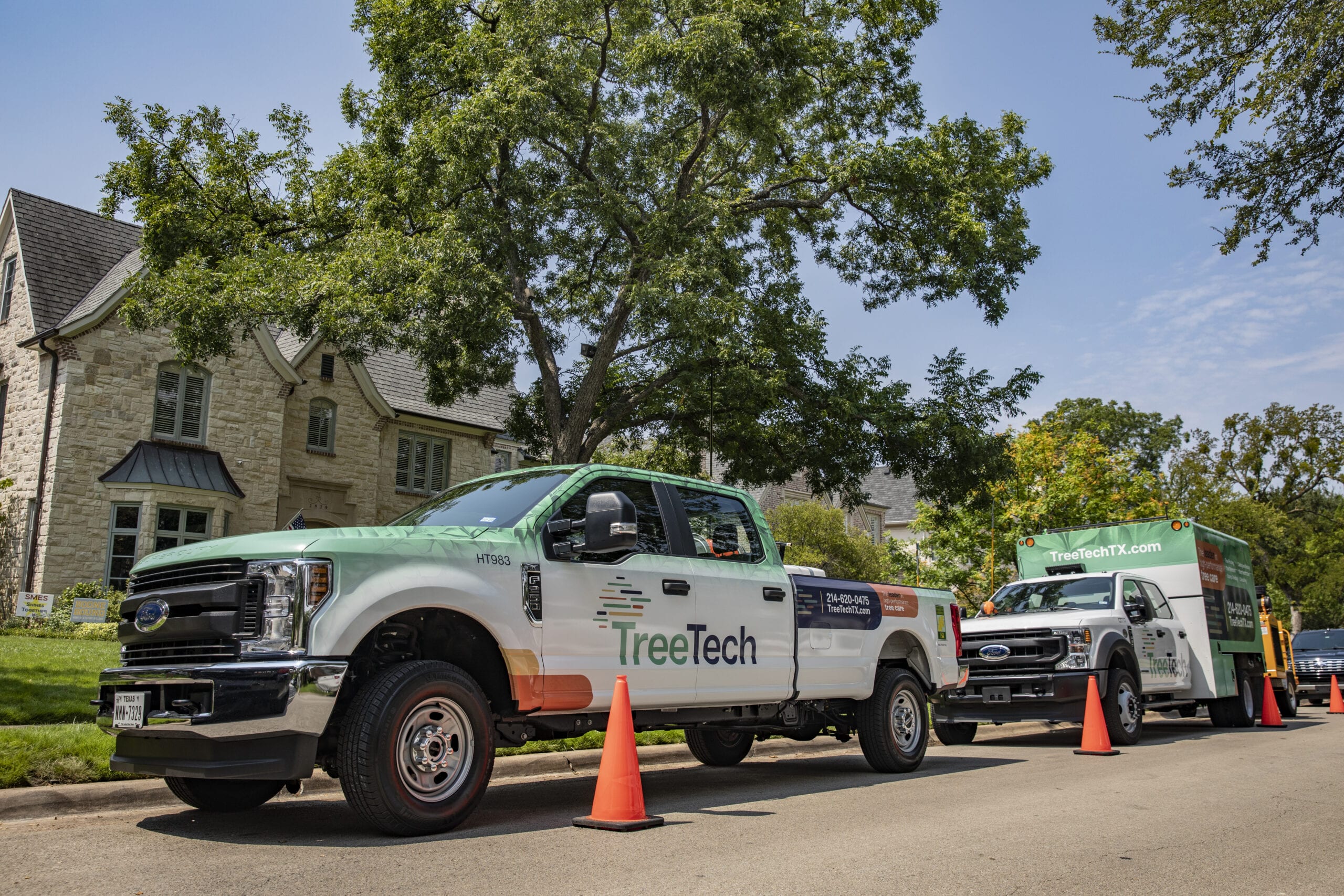
How to Choose the Best Tree Service Company for Safe and Professional Tree CareHow to Choose the Best Tree Service Company for Safe and Professional Tree Care

Trees are one of the most valuable features of any property. They enhance curb appeal, provide shade, improve air quality, and increase property value. However, maintaining trees properly requires professional knowledge, experience, and specialized equipment. That’s why hiring the best tree service company is essential for homeowners, commercial property managers, and landowners alike.

In this detailed guide, we will explore what makes a tree service company the best, the services you should expect, safety standards, cost considerations, and how to avoid common mistakes when choosing a provider. Whether you need tree removal, trimming, pruning, or emergency services, this article will help you make an informed decision.


Why Hiring the Best Tree Service Company Matters

Tree care is not a simple DIY task. Improper cutting or removal can lead to serious injuries, property damage, or long-term harm to your trees. The best tree service company ensures:

  • Safety for people and property
  • Healthier, longer-lasting trees
  • Compliance with local regulations
  • Professional equipment and trained crews
  • Long-term cost savings

A reputable company doesn’t just cut trees—it understands tree biology, structural integrity, and environmental impact.


Key Services Offered by the Best Tree Service Company

A top-rated tree service provider offers a wide range of professional solutions. Here are the essential services you should expect:

1. Tree Removal Services

Tree removal is necessary when a tree is dead, diseased, storm-damaged, or posing a safety risk. The best tree service company uses advanced rigging techniques and equipment to remove trees safely without damaging nearby structures.

2. Tree Trimming and Pruning

Proper trimming improves tree health and appearance. Professional pruning:

  • Removes dead or weak branches
  • Encourages healthy growth
  • Reduces risk during storms
  • Enhances property aesthetics

An experienced learn more company knows when and how to prune different tree species.

3. Stump Grinding and Removal

After tree removal, stumps can become eyesores or safety hazards. The best companies provide stump grinding to eliminate tripping risks and prevent pest infestations.

4. Emergency Tree Services

Storms, heavy winds, and accidents can cause trees to fall unexpectedly. The best tree service company offers 24/7 emergency services to handle urgent situations quickly and safely.

5. Tree Health and Disease Management

Professional arborists diagnose tree diseases, pest problems, and nutrient deficiencies. Preventive care helps trees thrive and reduces the need for costly removals later.


Qualities That Define the Best Tree Service Company

Not all tree service providers are equal. Here are the key qualities that separate average companies from the best:

Certified and Experienced Arborists

The best tree service company employs certified arborists with in-depth knowledge of tree care, safety protocols, and industry standards.

Proper Licensing and Insurance

Always choose a fully licensed and insured company. This protects you from liability in case of accidents or property damage.

Strong Safety Standards

Tree work is dangerous. Reputable companies follow strict safety procedures, use protective gear, and comply with OSHA and industry safety regulations.

Modern Equipment and Technology

From bucket trucks to stump grinders and cranes, professional equipment ensures efficiency, precision, and safety.

Transparent Pricing

The best tree service company provides clear, written estimates with no hidden fees. They explain the scope of work and pricing in detail.


How to Identify the Best Tree Service Company in Your Area

Finding the right tree service provider requires careful research. Follow these steps:

2. Tree Trimming and Pruning

0

Customer reviews provide valuable insight into reliability, professionalism, and service quality. Consistently positive feedback is a strong indicator of the best tree service company.

2. Tree Trimming and Pruning

1

A reputable company will gladly provide references from previous clients.

2. Tree Trimming and Pruning

2

Confirm licenses, insurance, and certifications before hiring.

2. Tree Trimming and Pruning

3

Avoid choosing the cheapest option automatically. Focus on value, safety, and expertise rather than price alone.

2. Tree Trimming and Pruning

4

Prompt responses, detailed explanations, and courteous service reflect a company’s professionalism.


Common Mistakes to Avoid When Hiring a Tree Service Company

Choosing the wrong provider can lead to costly mistakes. Avoid these common errors:

  • Hiring uninsured or unlicensed companies
  • Falling for extremely low prices
  • Not getting a written estimate
  • Ignoring safety practices
  • Choosing companies without arborist expertise

The best tree service company prioritizes quality, safety, and customer satisfaction—not shortcuts.


Cost Factors for Professional Tree Services

Tree service costs vary depending on several factors:

  • Tree size and height
  • Tree location and accessibility
  • Type of service required
  • Emergency or non-emergency work
  • Equipment needed

While professional services may seem expensive upfront, hiring the best tree service company often saves money by preventing future damage and costly repairs.


Benefits of Choosing the Best Tree Service Company

Working with a trusted professional brings long-term benefits, including:

  • Healthier trees and landscapes
  • Reduced risk of property damage
  • Improved curb appeal
  • Increased property value
  • Peace of mind

Expert care ensures your trees remain strong, safe, and visually appealing year-round.


Residential vs. Commercial Tree Services

The best tree service company offers solutions tailored to both residential and commercial clients.

2. Tree Trimming and Pruning

5

Homeowners benefit from:

  • Tree trimming for aesthetics
  • Storm damage cleanup
  • Safety inspections
  • Backyard tree removal

2. Tree Trimming and Pruning

6

Businesses and property managers require:

  • Large-scale tree maintenance
  • Liability risk reduction
  • Parking lot and roadside tree care
  • Scheduled maintenance plans

A professional company adapts its approach based on property size and requirements.


Environmental Responsibility and Sustainable Tree Care

The best tree service company follows eco-friendly practices, such as:

  • Preserving healthy trees whenever possible
  • Recycling wood and debris
  • Using responsible pruning techniques
  • Protecting surrounding landscapes

Sustainable tree care supports environmental balance while maintaining property safety.


Why Hiring the Best Tree Service Company Matters

0

Trees grow and change over time. Regular inspections and maintenance by the best tree service company help detect problems early. Preventive care extends tree lifespan and reduces emergency situations.

Professional tree care is not just a service—it’s an investment in safety, beauty, and property value.


Why Hiring the Best Tree Service Company Matters

1

Selecting the best tree service company is a decision that should never be rushed. By focusing on experience, certifications, safety, reputation, and transparency, you can confidently choose a provider that meets your needs.

Whether you need routine maintenance or emergency tree removal, working with skilled professionals ensures your trees are cared for properly and your property remains safe. Take the time to research, compare, and hire wisely—your trees and your investment deserve nothing less than the best.