
Category: Health & Fitness

Understanding Skin Whitening vs Skin BrighteningUnderstanding Skin Whitening vs Skin Brightening

Skin whitening treatments primarily work by reducing melanin levels or removing pigmented skin layers, leading to a more even tone and brighter appearance . However, dermatologists often prefer the term skin brightening, as treatments focus on improving clarity, glow, and pigmentation—not drastically changing your natural skin tone.

Types of Skin Whitening Treatments Available

Bangalore offers a variety of treatments, each suited to different skin concerns.

1. Chemical Peels

These are among the most popular options. They use mild acids to exfoliate the outer layer of skin, helping reduce:

  • Acne scars
  • Sun tan
  • Dark spots

They are ideal for beginners and people with mild pigmentation issues .

2. Laser Skin Lightening

Laser treatments target deeper pigmentation and stimulate collagen production. They are effective for:

  • Stubborn pigmentation
  • Uneven skin tone
  • Anti-aging benefits

Laser procedures are more advanced and provide faster results but are also more expensive .

3. Glutathione IV Therapy

This treatment involves antioxidant injections or drips that aim to brighten skin from within. It is popular but should be approached cautiously.

  • Cost can range from ₹4,500 to ₹8,000 per session
  • Requires medical supervision
  • Results are not permanent

Recent reports highlight growing demand but also warn about safety risks if not properly administered .

4. Topical Treatments (Creams & Serums)

These include dermatologist-prescribed creams with ingredients like:

  • Vitamin C
  • Retinoids
  • Hydroquinone (under supervision)

They are affordable and suitable for mild pigmentation.

5. Combination Treatments

Many clinics in Bangalore combine multiple approaches (e.g., peels + laser + serums) for better results. These customized plans are often the most effective.

Factors to Consider Before Choosing a Treatment

1. Your Skin Type and Concern

Different treatments suit different skin types:

  • Oily/acne-prone → chemical peels
  • Sensitive skin → mild topical treatments
  • Deep pigmentation → laser or combination therapy

A dermatologist consultation is essential to identify your exact condition.

2. Budget and Cost

The cost of treatments in Bangalore varies widely:

  • Creams & basic care: ₹2,000 – ₹5,000
  • Chemical peels: ₹2,000 – ₹8,000
  • Laser treatments: ₹8,000 – ₹15,000
  • IV therapies: ₹6,000 – ₹12,000 per session

Costs depend on:

  • Number of sessions
  • Clinic reputation
  • Technology used

Always plan for multiple sessions, as most treatments require maintenance.

3. Safety and Side Effects

Safety should be your top priority.

  • Always choose a qualified dermatologist
  • Avoid unlicensed clinics or home-based treatments
  • Be cautious with injections or IV therapies

Improper treatments can cause:

  • Skin irritation
  • Burns
  • Allergic reactions
  • Long-term damage

Medical supervision is especially important for advanced procedures.

4. Expected Results

It’s important to have realistic expectations.

  • Results are gradual, not instant
  • Treatments improve tone and brightness—not change your natural color
  • Maintenance sessions are usually required

Most treatments aim for:

  • Even skin tone
  • Reduced pigmentation
  • Healthy glow

5. Clinic Reputation and Expertise

In a city like Bangalore, clinic quality varies greatly.

Choose a clinic that:

  • Has certified dermatologists
  • Uses FDA-approved or clinically tested equipment
  • Provides personalized treatment plans

Higher-quality clinics may cost more but offer safer and more effective results.

Step-by-Step Process to Choose the Right Treatment

Step 1: Consultation

Start with a professional skin analysis. The dermatologist will:

  • Assess your skin type
  • Identify pigmentation causes
  • Recommend suitable treatments

Step 2: Treatment Plan

Based on your needs, you may receive:

  • A single treatment recommendation
  • Or a combination approach

Step 3: Trial Sessions

Many clinics suggest starting with mild treatments like peels before moving to advanced options.

Step 4: Maintenance

Post-treatment care is essential:

  • Sunscreen is mandatory
  • Follow skincare routines
  • Avoid excessive sun exposure

Common Mistakes to Avoid

  • Choosing the cheapest option without checking credentials
  • Expecting instant whitening results
  • Skipping consultation with a dermatologist
  • Overusing skin whitening treatment near me or combining too many procedures
  • Ignoring aftercare

Natural Support for Better Results

Even if you opt for professional treatments, lifestyle plays a key role.

  • Eat antioxidant-rich foods (fruits, vegetables)
  • Stay hydrated
  • Use sunscreen daily
  • Avoid excessive sun exposure

These habits enhance and maintain treatment results.

Final Thoughts

Choosing the right skin whitening treatment in Bangalore is not just about achieving lighter skin—it’s about improving overall skin health and confidence. With numerous options available, the best approach is a personalized, dermatologist-guided plan tailored to your skin type, budget, and goals.

Always prioritize safety over trends. A well-informed decision will not only give you better results but also protect your skin in the long run.

How an Orthodontist in High Point Can Transform Your Dental HealthHow an Orthodontist in High Point Can Transform Your Dental Health

When it comes to oral care, most people think about regular dental cleanings and cavity fillings — but there’s another specialist whose work can profoundly impact not just your smile, but your overall dental health: an orthodontist. In High Point, North Carolina, skilled orthodontic professionals use advanced techniques to improve alignment, function, and aesthetics of your teeth and jaw — delivering benefits that go far beyond cosmetic appeal.

What Does an Orthodontist Do?

An orthodontist is a dental specialist trained to diagnose, prevent, and correct misaligned teeth and jaw irregularities. While general dentists focus on overall dental care, orthodontists concentrate on tooth movement and facial development. Their tools include braces, clear aligners, retainers, and other specialized appliances designed to gradually reposition teeth and correct bite issues.

Orthodontic orthodontist in High Point, NC isn’t just about creating a straight smile — it’s about functional health, comfort, and long-term wellbeing.

Local Orthodontic Care in High Point: Trusted Providers

In High Point, several reputable orthodontic practices offer personalized care tailored to your unique needs:

Primary Orthodontists in High Point

  • Davis & Goldberg Orthodontics – A long-standing practice serving children, teens, and adults with traditional braces, ceramic braces, and Invisalign® clear aligners, focused on both aesthetics and long-term oral health.
  • Basil Orthodontics – Provides advanced treatments including self-ligating braces and laser-assisted care, with an emphasis on patient comfort and modern technology.
  • L'Tanya Joy Bailey, DDS, MS, PLLC – Offers personalized orthodontic care for a range of needs in a friendly setting.
  • Hinckley Orthodontics – Another local option (with mixed reviews), where individualized attention is part of the practice’s focus.

Each of these practices brings unique strengths to patient care — from decades of experience to cutting-edge technology — but all share the goal of improving your dental health through proper alignment and bite correction.

Why Orthodontic Treatment Matters

1. Improves Oral Function

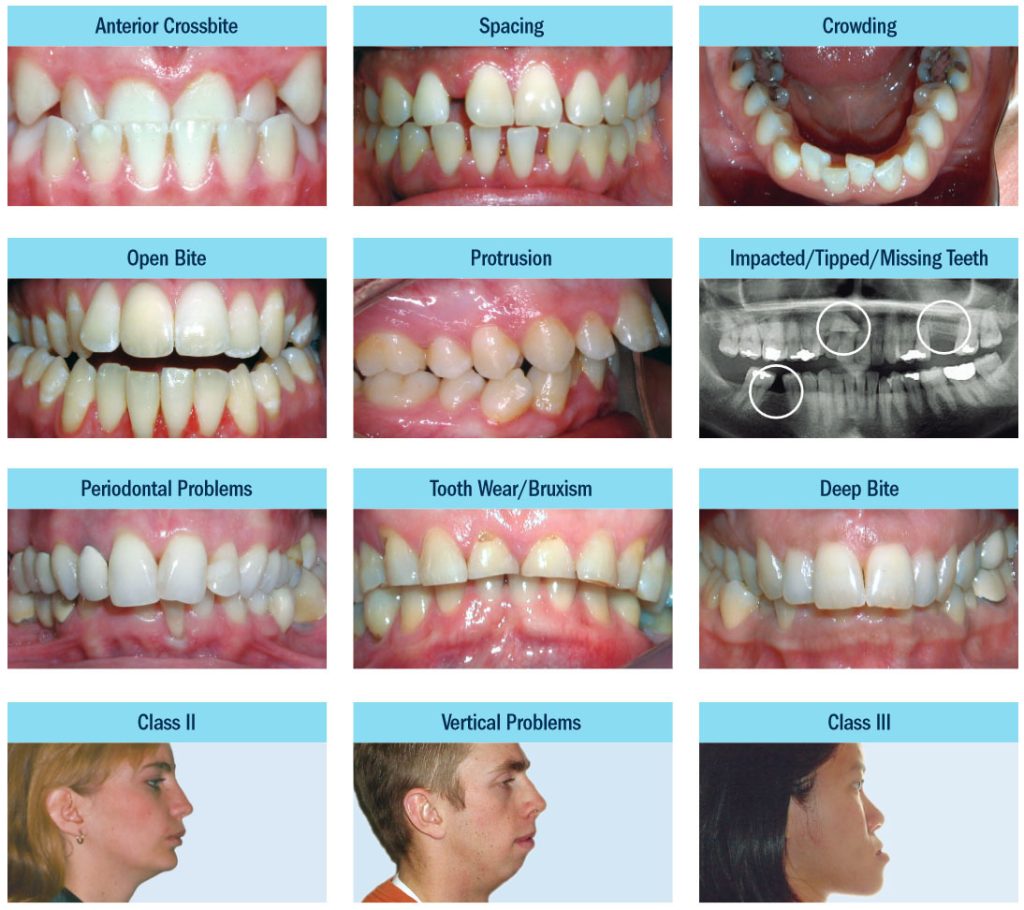
One of the primary benefits of orthodontic care is the improvement of oral function. Misaligned teeth or an incorrect bite can make chewing, speaking, and even swallowing more difficult. An orthodontist assesses your bite (how your upper and lower teeth meet) and works to correct problems like overbites, underbites, crossbites, and open bites. Over time, proper alignment reduces strain on the jaw and muscles, helping you eat and speak with greater ease.

When teeth fit together properly, chewing becomes more efficient, and the risk of undue wear on specific teeth is reduced — protecting your enamel and preventing future dental problems.

2. Enhances Oral Hygiene

Crooked or crowded teeth create tight spaces that are hard to clean with regular brushing and flossing. These hard-to-reach areas become breeding grounds for plaque and bacteria, increasing the risk of gum disease and tooth decay.

By straightening teeth, orthodontic treatment helps simplify oral hygiene routines, making it easier to remove food particles and bacteria. Better alignment leads to healthier gums, fewer cavities, and a reduced likelihood of periodontal issues later in life.

3. Reduces Risk of Dental Injury

Protruding front teeth — especially common in children and teens — are more susceptible to injury during sports or accidents. Orthodontic correction brings these teeth into a safer position within the dental arch, lowering the risk of chipping or breaking.

Similarly, misaligned teeth can create uneven pressure during biting, which may lead to fractures or excessive wear over time. Orthodontic care helps distribute forces evenly across the teeth, preserving their structure and health.

4. Alleviates Jaw Pain and TMJ Issues

Many people with bite misalignment suffer from jaw discomfort, headaches, and temporomandibular joint (TMJ) pain. These symptoms can stem from improper jaw alignment or uneven pressure during chewing.

Orthodontic treatments aim to correct the under structural issues, which can relieve tension, reduce chronic pain, and improve jaw function. Patients often report better comfort and fewer headaches once their bite has been properly aligned.

5. Boosts Self-Confidence

While dental health is the core focus of orthodontics, the psychological benefits of a straight, confident smile are significant. A beautiful smile can enhance self-esteem, improve social interactions, and even positively influence professional opportunities.

Many patients who undergo orthodontic treatment report feeling more comfortable smiling and engaging with others — a change that can have far-reaching effects on quality of life.

Modern Treatment Options

Orthodontic care has evolved significantly over the past decade, offering patients more comfortable and discreet treatment options:

Traditional Braces

Metal braces remain a reliable solution for a wide range of alignment issues. They are durable, effective, and often more affordable than newer technologies.

Ceramic Braces

These braces use tooth-colored or clear brackets, making them less noticeable than metal braces while delivering similar results.

Clear Aligners

Clear aligner systems like Invisalign® are nearly invisible and removable, offering a flexible option for adults and teens who want a less noticeable treatment.

Each option has its own advantages, and your orthodontist will recommend the best approach based on your specific needs, age, and lifestyle.

Who Should See an Orthodontist?

Orthodontic treatment isn’t just for teenagers — people of all ages can benefit:

  • Children and Teens: Early intervention can guide jaw growth, prevent future complications, and make treatment quicker and more effective.
  • Adults: More adults than ever are choosing orthodontic care to improve their smile and oral health. Modern options like clear aligners make treatment more appealing and convenient.
  • People with Functional Concerns: Even if aesthetics aren’t a priority, anyone experiencing bite issues, jaw pain, or difficulty cleaning their teeth should consider an orthodontic evaluation.

What to Expect from Your Visit

When you visit an orthodontist in High Point, your first appointment typically includes:

  • A detailed dental and medical history review.
  • A clinical examination of your teeth, bite, and jaw.
  • Digital X-rays or 3D scans to assess tooth position and jaw structure.
  • A personalized treatment plan with estimated duration, options, and cost.

Your orthodontist will explain each step and answer any questions, ensuring you feel informed and comfortable before starting treatment.

Long-Term Benefits

Investing in orthodontic care pays dividends far into the future:

  • Better Oral Health: Easier cleaning and reduced risk of decay.
  • Improved Function: Better chewing and reduced jaw strain.
  • Durability: Well-aligned teeth tend to last longer and stay healthier.
  • Confidence: A smile you’re proud to share.

Conclusion

An orthodontist in High Point can do much more than straighten your teeth — they can transform your dental health and improve your quality of life. From enhancing oral hygiene and bite function to reducing pain and boosting confidence, orthodontic care addresses both health and aesthetic concerns.

Whether you’re considering treatment for your child, yourself, or your entire family, consulting a local orthodontic specialist is a powerful step toward a healthier, more confident smile.

Finding the Best Greensboro Orthodontist: A Complete GuideFinding the Best Greensboro Orthodontist: A Complete Guide

Choosing the right orthodontist is a big decision that can impact not only your smile but also your confidence, oral health, and overall well-being. Whether you are considering braces, clear aligners, or early treatment for your child, finding the best orthodontist in Greensboro requires careful research and thoughtful consideration. This complete guide will walk you through everything you need to know to make the right choice.

Understanding What an Orthodontist Does

An orthodontist is a dental specialist trained to diagnose, prevent, and treat misaligned teeth and jaw irregularities. Unlike general dentists, orthodontists undergo additional years of specialized education to master techniques such as braces, retainers, and clear aligners.

Orthodontic treatments not only improve the appearance of your smile but also enhance oral health by correcting bite issues, reducing wear on teeth, and making oral hygiene easier.

Why Choosing the Right Orthodontist Matters

Selecting the best orthodontist ensures:

  • Accurate diagnosis and personalized treatment plans
  • Comfortable and efficient procedures
  • Long-lasting results
  • A positive overall experience

Many top practices in Greensboro emphasize individualized care and modern technology. For example, McMillian Orthodontics highlights tailored treatment and advanced tools like digital scans and 3D printing for precise results.

Key Factors to Consider When Choosing an Orthodontist

1. Qualifications and Experience

Always check the orthodontist’s credentials and years of experience. Established practices like Cobb Orthodontics have served the community for decades, which often reflects reliability and expertise.

Experienced orthodontists are better equipped to handle complex cases and provide effective solutions.

2. Range of Treatment Options

The best orthodontists offer a variety of treatments, including:

  • Traditional metal braces
  • Ceramic (clear) braces
  • Invisalign or clear aligners
  • Early orthodontic treatment for children

For instance, Kaley Orthodontics provides multiple options, including Invisalign and preventive treatments for patients of all ages.

Having multiple choices ensures that your treatment can be customized to your needs and lifestyle.

3. Technology and Innovation

Modern orthodontics relies heavily on advanced technology for better accuracy and comfort. Look for clinics that use:

Clinics such as Trentini Orthodontics incorporate digital X-rays and modern techniques to enhance patient outcomes.

4. Personalized Care and Communication

A great orthodontist will take time to understand your goals, explain treatment options, and answer your questions. Practices like Katz Orthodontics focus on building strong patient relationships and customizing care plans for each individual.

Clear communication helps reduce anxiety and ensures you feel confident throughout your treatment journey.

5. Office Environment and Staff

The atmosphere of the clinic matters more than you might think. Friendly staff, a clean environment, and efficient scheduling can make a big difference in your experience.

Some Greensboro practices even offer patient-friendly perks. For example, Kaley Orthodontics provides programs and services designed to enhance patient comfort and engagement.

6. Reviews and Community Reputation

Online reviews and community recommendations can provide valuable insights into real patient experiences.

From Reddit discussions about Greensboro orthodontists:

“Kaley is amazing. Takes a very gentle approach to care.”

“Trentini Orthodontics!”

These kinds of comments highlight patient satisfaction and can help you narrow down your options.

7. Cost and Payment Options

Orthodontic treatment is an investment, so it’s important to understand:

  • Total treatment cost
  • Payment plans
  • Insurance coverage
  • Availability of free consultations

Many Greensboro orthodontists offer flexible financing options and complimentary initial consultations, making treatment more accessible.

Questions to Ask During Your Consultation

Before committing to an orthodontist, schedule a consultation and ask:

  • What treatment options are best for me?
  • How long will the treatment take?
  • What are the total costs and payment plans?
  • How often will I need visits?
  • What results can I realistically expect?

This initial meeting is also a great opportunity to evaluate the orthodontist’s communication style and professionalism.

Comparing Top Orthodontists in Greensboro

Here are some well-known practices you may consider:

  • McMillian Orthodontics – Known for advanced technology and personalized care
  • Kaley Orthodontics – Offers comprehensive treatments and patient-focused services
  • Trentini Orthodontics – Emphasizes individualized treatment planning
  • Katz Orthodontics – Focuses on customized care and patient relationships
  • Cobb Orthodontics – Long-standing reputation and community trust

Each of these practices offers unique strengths, so your choice should depend on your specific needs and preferences.

Tips for Making the Final Decision

  • Visit multiple offices before choosing
  • Compare treatment plans, not just prices
  • Trust your instincts about comfort and communication
  • Look for long-term value, not just short-term savings

Remember, the cheapest option isn’t always the best. Quality care and lasting results should be your priority.

Final Thoughts

Finding the best Greensboro orthodontist doesn’t have to be overwhelming. By focusing on qualifications, technology, treatment options, and patient experience, you can confidently choose a provider who meets your needs.

A beautiful, healthy smile is a lifelong investment. Taking the time to research and select the right orthodontist will ensure that your journey is smooth, comfortable, and rewarding.

Whether you’re a parent seeking early treatment for your child or an adult ready to improve your smile, Greensboro offers a variety of excellent orthodontic practices ready to help you achieve your goals.

Orthodontist Advice for Choosing Between Braces and AlignersOrthodontist Advice for Choosing Between Braces and Aligners

Deciding how to straighten your teeth can be both exciting and overwhelming. With modern orthodontic treatments, you’re no longer limited to traditional metal braces—clear aligners offer a discreet alternative. But which one is right for you? Understanding the differences, benefits, and considerations can help you make an informed choice. Here’s some expert advice from orthodontists to guide your decision.

Understanding Your Options

Traditional Braces

Braces have been the standard solution for straightening teeth for decades. They consist of metal brackets bonded to your teeth and connected by wires that gradually move your teeth into alignment.

Advantages:

  • Highly effective for complex misalignment and bite issues

  • Precise control over tooth movement

  • Durable and reliable for all ages

Considerations:

  • Highly visible

  • Can cause mild discomfort or irritation

  • Require careful brushing and flossing to avoid plaque buildup

Clear Aligners

Clear aligners, such as Invisalign, are removable plastic trays designed to fit snugly over your teeth. They work by app gentle pressure to gradually shift teeth into place.

Advantages:

  • Nearly invisible, making them popular with adults and teens

  • Removable for eating, drinking, and cleaning

  • Typically more comfortable than traditional braces

Considerations:

  • Require discipline—aligners must be worn 20-22 hours per day

  • May not be suitable for severe or complex dental cases

  • Can be more costly than traditional braces

Key Factors to Consider

1. Complexity of Your Case

The severity of your misalignment often determines which treatment is best. Traditional braces are usually recommended for complex cases such as severe crowding, crossbites, or significant jaw misalignment. Aligners work well for mild to moderate misalignment and are increasingly effective with minor bite issues.

2. Appearance and Lifestyle

If aesthetics are a top priority—especially for adults—aligners offer a discreet solution. Braces are more noticeable, which may be a consideration for teens and professionals. Aligners are also convenient for those who play musical instruments or engage in contact sports, as they can be removed when necessary.

3. Comfort and Maintenance

Braces can cause temporary soreness after adjustments, and brackets or wires may irritate the inside of your mouth. Aligners generally offer smoother, more comfortable surfaces, though some initial tightness is normal. Both options require diligent oral hygiene, but aligners make brushing and flossing easier since they are removable.

4. Treatment Duration

Both braces and aligners can achieve excellent results, but treatment duration can vary. Traditional braces may offer slightly faster results for complex cases, while aligners may take longer depending on the severity of your alignment issues. Your orthodontist can provide a personalized estimate based on your specific situation.

5. Cost and Insurance

Cost is an important consideration. Braces are often less expensive than aligners, but insurance coverage and payment plans vary. Some orthodontists offer financing options to make treatments more affordable. Always discuss your budget and options upfront.

Questions to Ask Your Orthodontist

Before making a decision, schedule a consultation and ask your orthodontist these questions:

  • Which treatment is best for my specific alignment and bite issues?

  • How long will treatment take for braces versus aligners?

  • What are the costs, and are payment plans available?

  • What are the maintenance requirements and potential discomforts?

  • How often will I need visits or adjustments?

A good orthodontist in Fullerton, CA will listen to your preferences, assess your dental needs, and provide a clear, customized recommendation.

Red Flags to Watch Out For

  • Overly aggressive sales tactics or pressure to choose one option

  • Lack of explanation about risks or limitations of each treatment

  • Outdated equipment or techniques

  • Poor hygiene or clinic organization

Trust your instincts. Comfort, clarity, and professionalism are key.

Final Thoughts: Choosing What’s Right for You

Both braces and clear aligners can give you the smile you’ve always wanted. The right choice depends on your dental needs, lifestyle, comfort preferences, and budget. Traditional braces offer unmatched control for complex cases, while aligners provide a discreet, comfortable alternative for mild to moderate misalignment.

Ultimately, the best decision comes from a thorough consultation with a qualified orthodontist. They can help you weigh the pros and cons, tailor a treatment plan to your needs, and guide you toward the healthiest, most confident smile possible.

Taking the time to understand your options and asking the right questions ensures that your journey to a perfect smile is both effective and enjoyable.

The Future of Health Optimisation SupplementsThe Future of Health Optimisation Supplements

Health optimisation supplements are rapidly evolving as science, technology, and consumer awareness continue to advance. What was once limited to basic vitamins and minerals has now expanded into a sophisticated industry focused on personalised nutrition, targeted biohacking, and preventive healthcare. The future of this space promises smarter, safer, and more effective solutions designed to enhance both physical and mental performance.

A Shift Toward Personalised Supplementation

One of the most significant trends shaping the future is personalised supplementation. Instead of a one-size-fits-all approach, future supplements will be tailored to an individual’s unique biology. Advances in genetic testing, microbiome analysis, and wearable health devices are making this possible.

Companies like 23andMe and similar platforms are already offering insights into genetic predispositions, allowing users to understand which nutrients they may need more or less of. In the coming years, this data will be integrated with AI-powered health platforms to create highly customised supplement regimens based on real-time health metrics.

This approach not only improves effectiveness but also reduces the risk of over-supplementation or unnecessary intake, which can sometimes lead to adverse effects.

Integration of Artificial Intelligence and Data

Artificial intelligence (AI) is set to play a major role in the evolution of supplements. AI algorithms can analyse massive datasets from clinical studies, wearable devices, and user health records to recommend optimal supplement combinations and dosages.

For example, health platforms may use AI to track sleep patterns, stress levels, heart rate variability, and nutrient deficiencies, adjusting supplement recommendations dynamically. This will transform supplements from static daily pills into adaptive health solutions that respond to the body’s changing needs.

Moreover, AI-driven apps will likely become central to health optimisation ecosystems, helping users track progress and refine their routines over time.

The Rise of Smart Supplements

The concept of “smart supplements” is gaining traction. These are formulations designed with enhanced delivery systems, such as time-release capsules, nano-encapsulation, and targeted nutrient delivery.

Such innovations ensure that nutrients are absorbed more efficiently and reach the parts of the body where they are needed most. For example, future supplements may be engineered to release nutrients during specific times of the day, such as sleep aids that activate at night or energy boosters that release in the morning.

This level of precision could significantly improve the effectiveness of supplementation while reducing waste and improving user outcomes.

Focus on Gut Health and the Microbiome

Scientific research is increasingly highlighting the importance of the gut microbiome in overall health. As a result, future supplements will place a stronger emphasis on supporting gut health.

Probiotics, prebiotics, and postbiotics are expected to become even more advanced, with formulations tailored to individual gut profiles. Personalized microbiome testing will help identify specific bacterial imbalances, leading to targeted solutions that improve digestion, immunity, and even mental health.

The connection between the gut and the brain, often referred to as the gut-brain axis, is also driving innovation. Supplements that support both digestive and cognitive health will likely become more common.

Natural and Clean Label Products

Consumers are becoming more conscious about what they put into their bodies. This has led to a growing demand for natural, organic, and clean-label supplements. The future will see a shift away from synthetic additives, artificial fillers, and unnecessary preservatives.

Brands like Garden of Life have already capitalised on this trend by offering organic, non-GMO products with transparent ingredient sourcing. In the future, transparency will be a standard expectation rather than a marketing advantage.

Sustainability will also play a major role. Eco-friendly packaging, ethically sourced ingredients, and environmentally responsible manufacturing processes will become increasingly important in shaping consumer choices.

Preventive Health and Longevity Focus

Health optimisation is moving from treatment to prevention. Instead of waiting for illness to occur, people are increasingly using supplements to maintain long-term health and prevent disease.

This shift aligns with the growing interest in longevity science. Researchers and companies are exploring supplements that support cellular health, reduce inflammation, and slow down the ageing process. Ingredients such as antioxidants, adaptogens, and compounds like NAD+ boosters are gaining attention for their potential anti-ageing benefits.

In the future, supplements may be specifically designed to target age-related decline, helping individuals maintain vitality, cognitive function, and physical performance well into older age.

Mental Health and Cognitive Enhancement

Another exciting area of development is cognitive health. Supplements designed to enhance memory, focus, and mental clarity—often referred to as nootropics—are expected to grow in popularity.

Future formulations may combine natural ingredients with scientifically validated compounds to support brain function without side effects. As mental health awareness increases, supplements that help manage stress, anxiety, and mood will become more mainstream.

Additionally, there will be greater collaboration between neuroscientists and supplement manufacturers to create evidence-based cognitive enhancers.

Regulatory Advancements and Safety Improvements

As the supplement industry grows, so will the need for stricter regulations and quality control. Governments and regulatory bodies are likely to implement more rigorous testing and labelling requirements to ensure product safety and efficacy.

This will help eliminate low-quality or misleading products from the market, giving consumers greater confidence in what they are purchasing. Advanced testing technologies, such as blockchain for supply chain transparency, may also be used to verify ingredient authenticity and traceability.

Digital Health Ecosystems

The future of supplements will not exist in isolation. Instead, they will be part of broader digital health ecosystems. These ecosystems will combine wearable devices, health apps, AI analytics, and personalised supplements into a single integrated system.

Users will be able to track their health data in real time, receive recommendations, and adjust their supplement intake accordingly. This holistic approach will make health optimisation more accessible and data-driven than ever before.

A Shift Toward Personalised Supplementation

0

The future of health optimisation supplements is bright and full of innovation. With advancements in personalised nutrition, artificial intelligence, smart delivery systems, and microbiome science, supplements are becoming more precise and effective than ever before.

At the same time, consumer demand for transparency, sustainability, and natural ingredients is shaping the industry into a more responsible and health-focused space. As we move forward, health optimisation supplements will no longer be just an addition to a healthy lifestyle—they will be an integral part of a personalised, data-driven approach to long-term wellness and peak human performance.

Ultimately, the future lies in combining science, technology, and individual health insights to create smarter solutions that truly optimise the human body and mind.