
Category: Health & Fitness

Finding the Best Greensboro Orthodontist: A Complete GuideFinding the Best Greensboro Orthodontist: A Complete Guide

Choosing the right orthodontist is a big decision that can impact not only your smile but also your confidence, oral health, and overall well-being. Whether you are considering braces, clear aligners, or early treatment for your child, finding the best orthodontist in Greensboro requires careful research and thoughtful consideration. This complete guide will walk you through everything you need to know to make the right choice.

Understanding What an Orthodontist Does

An orthodontist is a dental specialist trained to diagnose, prevent, and treat misaligned teeth and jaw irregularities. Unlike general dentists, orthodontists undergo additional years of specialized education to master techniques such as braces, retainers, and clear aligners.

Orthodontic treatments not only improve the appearance of your smile but also enhance oral health by correcting bite issues, reducing wear on teeth, and making oral hygiene easier.

Why Choosing the Right Orthodontist Matters

Selecting the best orthodontist ensures:

  • Accurate diagnosis and personalized treatment plans
  • Comfortable and efficient procedures
  • Long-lasting results
  • A positive overall experience

Many top practices in Greensboro emphasize individualized care and modern technology. For example, McMillian Orthodontics highlights tailored treatment and advanced tools like digital scans and 3D printing for precise results.

Key Factors to Consider When Choosing an Orthodontist

1. Qualifications and Experience

Always check the orthodontist’s credentials and years of experience. Established practices like Cobb Orthodontics have served the community for decades, which often reflects reliability and expertise.

Experienced orthodontists are better equipped to handle complex cases and provide effective solutions.

2. Range of Treatment Options

The best orthodontists offer a variety of treatments, including:

  • Traditional metal braces
  • Ceramic (clear) braces
  • Invisalign or clear aligners
  • Early orthodontic treatment for children

For instance, Kaley Orthodontics provides multiple options, including Invisalign and preventive treatments for patients of all ages.

Having multiple choices ensures that your treatment can be customized to your needs and lifestyle.

3. Technology and Innovation

Modern orthodontics relies heavily on advanced technology for better accuracy and comfort. Look for clinics that use:

Clinics such as Trentini Orthodontics incorporate digital X-rays and modern techniques to enhance patient outcomes.

4. Personalized Care and Communication

A great orthodontist will take time to understand your goals, explain treatment options, and answer your questions. Practices like Katz Orthodontics focus on building strong patient relationships and customizing care plans for each individual.

Clear communication helps reduce anxiety and ensures you feel confident throughout your treatment journey.

5. Office Environment and Staff

The atmosphere of the clinic matters more than you might think. Friendly staff, a clean environment, and efficient scheduling can make a big difference in your experience.

Some Greensboro practices even offer patient-friendly perks. For example, Kaley Orthodontics provides programs and services designed to enhance patient comfort and engagement.

6. Reviews and Community Reputation

Online reviews and community recommendations can provide valuable insights into real patient experiences.

From Reddit discussions about Greensboro orthodontists:

“Kaley is amazing. Takes a very gentle approach to care.”

“Trentini Orthodontics!”

These kinds of comments highlight patient satisfaction and can help you narrow down your options.

7. Cost and Payment Options

Orthodontic treatment is an investment, so it’s important to understand:

  • Total treatment cost
  • Payment plans
  • Insurance coverage
  • Availability of free consultations

Many Greensboro orthodontists offer flexible financing options and complimentary initial consultations, making treatment more accessible.

Questions to Ask During Your Consultation

Before committing to an orthodontist, schedule a consultation and ask:

  • What treatment options are best for me?
  • How long will the treatment take?
  • What are the total costs and payment plans?
  • How often will I need visits?
  • What results can I realistically expect?

This initial meeting is also a great opportunity to evaluate the orthodontist’s communication style and professionalism.

Comparing Top Orthodontists in Greensboro

Here are some well-known practices you may consider:

  • McMillian Orthodontics – Known for advanced technology and personalized care
  • Kaley Orthodontics – Offers comprehensive treatments and patient-focused services
  • Trentini Orthodontics – Emphasizes individualized treatment planning
  • Katz Orthodontics – Focuses on customized care and patient relationships
  • Cobb Orthodontics – Long-standing reputation and community trust

Each of these practices offers unique strengths, so your choice should depend on your specific needs and preferences.

Tips for Making the Final Decision

  • Visit multiple offices before choosing
  • Compare treatment plans, not just prices
  • Trust your instincts about comfort and communication
  • Look for long-term value, not just short-term savings

Remember, the cheapest option isn’t always the best. Quality care and lasting results should be your priority.

Final Thoughts

Finding the best Greensboro orthodontist doesn’t have to be overwhelming. By focusing on qualifications, technology, treatment options, and patient experience, you can confidently choose a provider who meets your needs.

A beautiful, healthy smile is a lifelong investment. Taking the time to research and select the right orthodontist will ensure that your journey is smooth, comfortable, and rewarding.

Whether you’re a parent seeking early treatment for your child or an adult ready to improve your smile, Greensboro offers a variety of excellent orthodontic practices ready to help you achieve your goals.

Orthodontist Advice for Choosing Between Braces and AlignersOrthodontist Advice for Choosing Between Braces and Aligners

Deciding how to straighten your teeth can be both exciting and overwhelming. With modern orthodontic treatments, you’re no longer limited to traditional metal braces—clear aligners offer a discreet alternative. But which one is right for you? Understanding the differences, benefits, and considerations can help you make an informed choice. Here’s some expert advice from orthodontists to guide your decision.

Understanding Your Options

Traditional Braces

Braces have been the standard solution for straightening teeth for decades. They consist of metal brackets bonded to your teeth and connected by wires that gradually move your teeth into alignment.

Advantages:

  • Highly effective for complex misalignment and bite issues

  • Precise control over tooth movement

  • Durable and reliable for all ages

Considerations:

  • Highly visible

  • Can cause mild discomfort or irritation

  • Require careful brushing and flossing to avoid plaque buildup

Clear Aligners

Clear aligners, such as Invisalign, are removable plastic trays designed to fit snugly over your teeth. They work by app gentle pressure to gradually shift teeth into place.

Advantages:

  • Nearly invisible, making them popular with adults and teens

  • Removable for eating, drinking, and cleaning

  • Typically more comfortable than traditional braces

Considerations:

  • Require discipline—aligners must be worn 20-22 hours per day

  • May not be suitable for severe or complex dental cases

  • Can be more costly than traditional braces

Key Factors to Consider

1. Complexity of Your Case

The severity of your misalignment often determines which treatment is best. Traditional braces are usually recommended for complex cases such as severe crowding, crossbites, or significant jaw misalignment. Aligners work well for mild to moderate misalignment and are increasingly effective with minor bite issues.

2. Appearance and Lifestyle

If aesthetics are a top priority—especially for adults—aligners offer a discreet solution. Braces are more noticeable, which may be a consideration for teens and professionals. Aligners are also convenient for those who play musical instruments or engage in contact sports, as they can be removed when necessary.

3. Comfort and Maintenance

Braces can cause temporary soreness after adjustments, and brackets or wires may irritate the inside of your mouth. Aligners generally offer smoother, more comfortable surfaces, though some initial tightness is normal. Both options require diligent oral hygiene, but aligners make brushing and flossing easier since they are removable.

4. Treatment Duration

Both braces and aligners can achieve excellent results, but treatment duration can vary. Traditional braces may offer slightly faster results for complex cases, while aligners may take longer depending on the severity of your alignment issues. Your orthodontist can provide a personalized estimate based on your specific situation.

5. Cost and Insurance

Cost is an important consideration. Braces are often less expensive than aligners, but insurance coverage and payment plans vary. Some orthodontists offer financing options to make treatments more affordable. Always discuss your budget and options upfront.

Questions to Ask Your Orthodontist

Before making a decision, schedule a consultation and ask your orthodontist these questions:

  • Which treatment is best for my specific alignment and bite issues?

  • How long will treatment take for braces versus aligners?

  • What are the costs, and are payment plans available?

  • What are the maintenance requirements and potential discomforts?

  • How often will I need visits or adjustments?

A good orthodontist in Fullerton, CA will listen to your preferences, assess your dental needs, and provide a clear, customized recommendation.

Red Flags to Watch Out For

  • Overly aggressive sales tactics or pressure to choose one option

  • Lack of explanation about risks or limitations of each treatment

  • Outdated equipment or techniques

  • Poor hygiene or clinic organization

Trust your instincts. Comfort, clarity, and professionalism are key.

Final Thoughts: Choosing What’s Right for You

Both braces and clear aligners can give you the smile you’ve always wanted. The right choice depends on your dental needs, lifestyle, comfort preferences, and budget. Traditional braces offer unmatched control for complex cases, while aligners provide a discreet, comfortable alternative for mild to moderate misalignment.

Ultimately, the best decision comes from a thorough consultation with a qualified orthodontist. They can help you weigh the pros and cons, tailor a treatment plan to your needs, and guide you toward the healthiest, most confident smile possible.

Taking the time to understand your options and asking the right questions ensures that your journey to a perfect smile is both effective and enjoyable.

The Future of Health Optimisation SupplementsThe Future of Health Optimisation Supplements

Health optimisation supplements are rapidly evolving as science, technology, and consumer awareness continue to advance. What was once limited to basic vitamins and minerals has now expanded into a sophisticated industry focused on personalised nutrition, targeted biohacking, and preventive healthcare. The future of this space promises smarter, safer, and more effective solutions designed to enhance both physical and mental performance.

A Shift Toward Personalised Supplementation

One of the most significant trends shaping the future is personalised supplementation. Instead of a one-size-fits-all approach, future supplements will be tailored to an individual’s unique biology. Advances in genetic testing, microbiome analysis, and wearable health devices are making this possible.

Companies like 23andMe and similar platforms are already offering insights into genetic predispositions, allowing users to understand which nutrients they may need more or less of. In the coming years, this data will be integrated with AI-powered health platforms to create highly customised supplement regimens based on real-time health metrics.

This approach not only improves effectiveness but also reduces the risk of over-supplementation or unnecessary intake, which can sometimes lead to adverse effects.

Integration of Artificial Intelligence and Data

Artificial intelligence (AI) is set to play a major role in the evolution of supplements. AI algorithms can analyse massive datasets from clinical studies, wearable devices, and user health records to recommend optimal supplement combinations and dosages.

For example, health platforms may use AI to track sleep patterns, stress levels, heart rate variability, and nutrient deficiencies, adjusting supplement recommendations dynamically. This will transform supplements from static daily pills into adaptive health solutions that respond to the body’s changing needs.

Moreover, AI-driven apps will likely become central to health optimisation ecosystems, helping users track progress and refine their routines over time.

The Rise of Smart Supplements

The concept of “smart supplements” is gaining traction. These are formulations designed with enhanced delivery systems, such as time-release capsules, nano-encapsulation, and targeted nutrient delivery.

Such innovations ensure that nutrients are absorbed more efficiently and reach the parts of the body where they are needed most. For example, future supplements may be engineered to release nutrients during specific times of the day, such as sleep aids that activate at night or energy boosters that release in the morning.

This level of precision could significantly improve the effectiveness of supplementation while reducing waste and improving user outcomes.

Focus on Gut Health and the Microbiome

Scientific research is increasingly highlighting the importance of the gut microbiome in overall health. As a result, future supplements will place a stronger emphasis on supporting gut health.

Probiotics, prebiotics, and postbiotics are expected to become even more advanced, with formulations tailored to individual gut profiles. Personalized microbiome testing will help identify specific bacterial imbalances, leading to targeted solutions that improve digestion, immunity, and even mental health.

The connection between the gut and the brain, often referred to as the gut-brain axis, is also driving innovation. Supplements that support both digestive and cognitive health will likely become more common.

Natural and Clean Label Products

Consumers are becoming more conscious about what they put into their bodies. This has led to a growing demand for natural, organic, and clean-label supplements. The future will see a shift away from synthetic additives, artificial fillers, and unnecessary preservatives.

Brands like Garden of Life have already capitalised on this trend by offering organic, non-GMO products with transparent ingredient sourcing. In the future, transparency will be a standard expectation rather than a marketing advantage.

Sustainability will also play a major role. Eco-friendly packaging, ethically sourced ingredients, and environmentally responsible manufacturing processes will become increasingly important in shaping consumer choices.

Preventive Health and Longevity Focus

Health optimisation is moving from treatment to prevention. Instead of waiting for illness to occur, people are increasingly using supplements to maintain long-term health and prevent disease.

This shift aligns with the growing interest in longevity science. Researchers and companies are exploring supplements that support cellular health, reduce inflammation, and slow down the ageing process. Ingredients such as antioxidants, adaptogens, and compounds like NAD+ boosters are gaining attention for their potential anti-ageing benefits.

In the future, supplements may be specifically designed to target age-related decline, helping individuals maintain vitality, cognitive function, and physical performance well into older age.

Mental Health and Cognitive Enhancement

Another exciting area of development is cognitive health. Supplements designed to enhance memory, focus, and mental clarity—often referred to as nootropics—are expected to grow in popularity.

Future formulations may combine natural ingredients with scientifically validated compounds to support brain function without side effects. As mental health awareness increases, supplements that help manage stress, anxiety, and mood will become more mainstream.

Additionally, there will be greater collaboration between neuroscientists and supplement manufacturers to create evidence-based cognitive enhancers.

Regulatory Advancements and Safety Improvements

As the supplement industry grows, so will the need for stricter regulations and quality control. Governments and regulatory bodies are likely to implement more rigorous testing and labelling requirements to ensure product safety and efficacy.

This will help eliminate low-quality or misleading products from the market, giving consumers greater confidence in what they are purchasing. Advanced testing technologies, such as blockchain for supply chain transparency, may also be used to verify ingredient authenticity and traceability.

Digital Health Ecosystems

The future of supplements will not exist in isolation. Instead, they will be part of broader digital health ecosystems. These ecosystems will combine wearable devices, health apps, AI analytics, and personalised supplements into a single integrated system.

Users will be able to track their health data in real time, receive recommendations, and adjust their supplement intake accordingly. This holistic approach will make health optimisation more accessible and data-driven than ever before.

A Shift Toward Personalised Supplementation

0

The future of health optimisation supplements is bright and full of innovation. With advancements in personalised nutrition, artificial intelligence, smart delivery systems, and microbiome science, supplements are becoming more precise and effective than ever before.

At the same time, consumer demand for transparency, sustainability, and natural ingredients is shaping the industry into a more responsible and health-focused space. As we move forward, health optimisation supplements will no longer be just an addition to a healthy lifestyle—they will be an integral part of a personalised, data-driven approach to long-term wellness and peak human performance.

Ultimately, the future lies in combining science, technology, and individual health insights to create smarter solutions that truly optimise the human body and mind.

How an Orthodontist Can Help You Achieve Perfectly Aligned TeethHow an Orthodontist Can Help You Achieve Perfectly Aligned Teeth

A confident smile can make a lasting impression, and perfectly aligned teeth play a major role in both appearance and oral health. While many people associate orthodontic care with teenagers wearing braces, the reality is that orthodontists help patients of all ages achieve straighter, healthier smiles. Whether you’re dealing with crowding, gaps, or bite issues, an orthodontist has the expertise and tools to transform your smile effectively.

What Does an Orthodontist Do?

An orthodontist is a dental specialist who focuses on diagnosing, preventing, and treating misaligned teeth and jaws. After completing dental school, orthodontists undergo additional years of specialized training to understand tooth movement, jaw alignment, and facial development.

Their primary goal is not just to improve the appearance of your smile but also to ensure proper function. Misaligned teeth can lead to issues such as difficulty chewing, speech problems, and increased risk of tooth decay or gum disease. By correcting these problems, orthodontists help improve both aesthetics and overall oral health.

Common Dental Issues Treated by Orthodontists

Orthodontists treat a wide range of dental problems that affect alignment and bite. Some of the most common issues include:

  • Crowded teeth: When there isn’t enough space in the jaw, teeth may overlap or twist.
  • Gaps between teeth: Excess space can occur due to missing teeth or natural growth patterns.
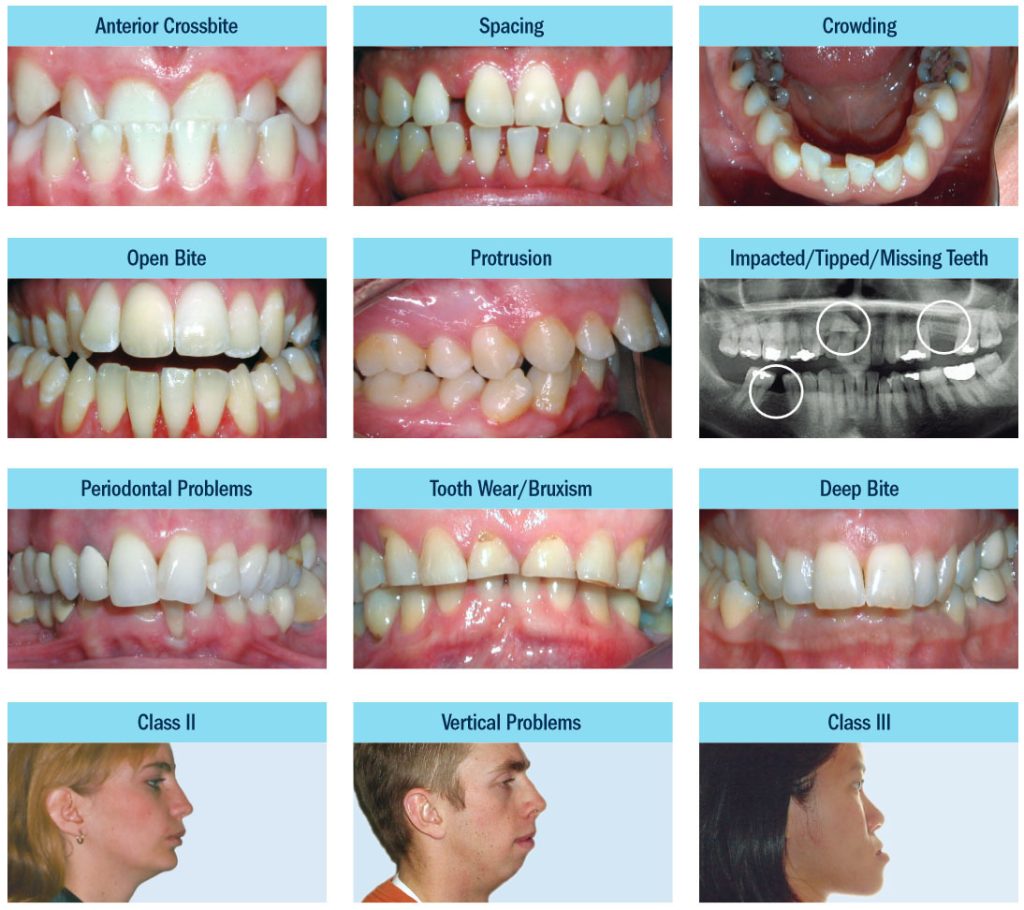
  • Overbite: Upper front teeth significantly overlap the lower teeth.
  • Underbite: Lower teeth extend beyond the upper teeth.
  • Crossbite: Teeth do not align properly when the mouth is closed.
  • Open bite: Upper and lower teeth don’t touch when the mouth is closed.

Each of these conditions can affect not only your smile but also your ability to maintain proper oral hygiene.

The Importance of Early Evaluation

Orthodontic care can begin at almost any age, but early evaluation is often recommended for children. Identifying issues during developmental stages allows orthodontists to guide jaw growth and prevent more severe problems later on.

However, it’s never too late to seek treatment. Adults are increasingly turning to orthodontic solutions to improve their smiles. Modern advancements have made treatments more discreet, comfortable, and efficient than ever before.

Types of Orthodontic Treatments

Orthodontists offer a variety of treatment options tailored to individual needs. The right choice depends on the severity of the problem, lifestyle preferences, and budget.

1. Traditional Metal Braces

These are the most common and effective option for correcting complex alignment issues. They consist of metal brackets attached to the teeth and connected by wires that gradually shift teeth into place.

2. Ceramic Braces

Similar to metal braces, ceramic braces use tooth-colored brackets that blend in with your teeth, making them less noticeable.

3. Clear Aligners

Clear aligners are removable trays made of transparent plastic. They are custom-designed to fit snugly over your teeth and gradually move them into the desired position. They are popular among adults and teens who prefer a more discreet option.

4. Lingual Braces

These braces are placed on the inside of the teeth, making them invisible from the outside. While effective, they may require a longer adjustment period.

The Treatment Process

Achieving perfectly aligned teeth involves a step-by-step process designed to ensure optimal results.

Initial Consultation

Your orthodontist will examine your teeth, take X-rays, and create a customized treatment plan. This stage helps identify the under issues and determine the best course of action.

Treatment Planning

Based on your diagnosis, the orthodontist will recommend the most suitable treatment option. They will also discuss the expected duration, cost, and maintenance requirements.

Active Treatment Phase

During this phase, braces or aligners are used to gradually move your teeth. Regular check-ups are necessary to monitor progress and make adjustments.

Retention Phase

Once your teeth are properly aligned, you’ll need to wear a retainer to maintain the results. This step is crucial to prevent teeth from shifting back to their original positions.

Benefits of Orthodontic Treatment

Orthodontic care offers a wide range of benefits beyond just a beautiful smile.

Improved Oral Health

Straight teeth are easier to clean, reducing the risk of cavities and gum disease.

Better Functionality

Proper alignment improves chewing efficiency and reduces strain on jaw muscles.

Enhanced Confidence

A well-aligned smile can boost self-esteem and make you feel more comfortable in social situations.

Prevention of Future Problems

Addressing alignment issues early can prevent more serious dental complications later in life.

How Long Does Treatment Take?

The duration of local orthodontist Fullerton treatment varies depending on the complexity of the case. On average, treatment can take anywhere from 12 to 24 months. Minor corrections may take less time, while more complex issues may require longer treatment.

Consistency and adherence to your orthodontist’s instructions play a significant role in achieving timely results. For example, wearing aligners as prescribed or maintaining proper oral hygiene can speed up the process.

Maintaining Oral Hygiene During Treatment

Good oral hygiene is essential during orthodontic treatment. Braces and aligners can create spaces where food particles and plaque accumulate, increasing the risk of dental problems.

Here are some tips to maintain oral health:

  • Brush your teeth after every meal using a soft-bristled toothbrush.
  • Use floss or specialized cleaning tools to remove debris between teeth.
  • Avoid sticky or hard foods that can damage braces.
  • Rinse with an antibacterial mouthwash to reduce plaque buildup.

Regular dental check-ups and cleanings are also important to ensure your teeth and gums remain healthy throughout the treatment.

Choosing the Right Orthodontist

Selecting a qualified orthodontist is key to achieving the best results. Look for professionals with proper credentials, experience, and positive patient reviews. A good orthodontist will take the time to understand your concerns, explain treatment options, and create a personalized plan tailored to your needs.

It’s also important to feel comfortable with your orthodontist, as you’ll be working with them for an extended period. Clear communication and trust are essential for a successful treatment journey.

Final Thoughts

Achieving perfectly aligned teeth is not just about aesthetics—it’s about improving your overall oral health and quality of life. Orthodontists play a vital role in diagnosing and correcting alignment issues using advanced techniques and customized treatment plans.

Whether you’re a teenager or an adult, it’s never too late to invest in your smile. With the right orthodontic care, you can enjoy a healthier, more confident smile that lasts a lifetime.

Breathe Easy: A Practical Guide to Quit SmokingBreathe Easy: A Practical Guide to Quit Smoking

Quitting smoking is often cited as one of the most challenging yet rewarding lifestyle changes a person can make. While the health risks associated with smoking—such as lung cancer, heart disease, stroke, and chronic obstructive pulmonary disease (COPD)—are well-documented, breaking free from nicotine addiction is rarely straightforward. Nicotine, the primary addictive substance in tobacco, triggers physical dependence while smoking itself reinforces habitual and emotional patterns. This combination creates a complex challenge that requires both practical strategies and psychological resilience.

This guide offers a comprehensive approach to quitting smoking, emphasizing preparation, coping mechanisms, and long-term strategies to ensure success.

Understanding the Addiction

Before embarking on the journey to quit, it’s essential to understand why smoking is so addictive. Nicotine stimulates the release of dopamine, a neurotransmitter responsible for feelings of pleasure and reward. Over time, the brain begins to associate smoking with stress relief, comfort, or even social interactions. This dual dependency—both chemical and behavioral—makes quitting particularly difficult.

Withdrawal symptoms can include irritability, anxiety, difficulty concentrating, increased appetite, and strong cravings. Anticipating these challenges is crucial, as preparation significantly increases the likelihood of quitting successfully.

Preparing to Quit

Preparation is a critical first step. It involves setting a quit date, understanding personal triggers, and planning strategies to cope with cravings.

  1. Set a Quit Date: Choose a date within the next two weeks. This provides enough time to prepare without losing motivation. Treat this date as a commitment to yourself.
  2. Identify Triggers: Triggers are situations, emotions, or routines that prompt smoking. Common triggers include morning coffee, after meals, stressful situations, or social gatherings. Keeping a journal for a few days can help identify these patterns.
  3. Inform Friends and Family: Support from loved ones can significantly enhance success. Let them know about your plans to quit, so they can provide encouragement, avoid smoking around you, and celebrate milestones with you.
  4. Remove Smoking Paraphernalia: Discard cigarettes, lighters, ashtrays, and other items associated with smoking. A clean environment reduces temptation.

Choosing a Method to Quit

There is no one-size-fits-all method for quitting smoking. Different approaches work for different individuals, and combining strategies often yields the best results. Here are some common options:

1. Cold Turkey

Stopping all at once may seem daunting, but some smokers successfully quit without any aids. This approach requires strong willpower and the ability to manage cravings directly. Cold turkey may work best for individuals who are highly motivated and have a supportive environment.

2. Gradual Reduction

For those who find an abrupt stop overwhelming, gradually reducing cigarette intake can be effective. Setting specific targets, such as reducing the number of cigarettes per day, can help ease the transition and reduce withdrawal intensity.

3. Nicotine Replacement Therapy (NRT)

NRT provides controlled doses of nicotine without harmful tobacco smoke, easing withdrawal symptoms and cravings. Options include patches, gums, lozenges, nasal sprays, and inhalers. NRT should be used as directed and combined with behavioral strategies for optimal results.

4. Prescription Medications

Medications such as varenicline and bupropion are available to reduce cravings and withdrawal symptoms. These should be used under medical supervision and may be particularly helpful for individuals with a long history of smoking or prior unsuccessful quit attempts.

5. Behavioral Therapy

Counseling and cognitive-behavioral therapy (CBT) help smokers identify triggers, develop coping strategies, and change thought patterns associated with smoking. Combining behavioral therapy with NRT or medication significantly improves success rates.

Coping with Cravings and Withdrawal

Cravings are a natural part of quitting, but there are many strategies to manage them effectively:

  1. Delay: Cravings usually peak for 3–5 minutes. Waiting out the urge can prevent relapse. Use this time to breathe deeply, take a walk, or engage in another activity.
  2. Distract: Engage in activities that keep your mind and hands busy, such as exercise, reading, cooking, or hobbies.
  3. Substitute: Chew gum, munch on healthy snacks, or sip water to occupy your mouth and reduce the urge to smoke.
  4. Relaxation Techniques: Deep breathing, meditation, progressive muscle relaxation, and yoga help reduce stress and anxiety, common triggers for relapse.
  5. Positive Reinforcement: Reward yourself for milestones—like a day, week, or month smoke-free. Small celebrations strengthen motivation.

Lifestyle Changes to Support Quitting

Creating a healthier lifestyle reinforces your commitment to being smoke-free:

  • Exercise Regularly: Physical activity reduces stress, boosts mood, and can decrease cravings. Even short walks can be highly beneficial.
  • Eat a Balanced Diet: Healthy meals and snacks stabilize blood sugar, reduce irritability, and promote overall well-being.
  • Hydrate: Drinking water helps flush toxins from your body and can reduce cravings.
  • Sleep Well: Adequate rest is essential for coping with withdrawal symptoms and maintaining mental clarity.
  • Avoid Alcohol and Other Triggers: Alcohol, caffeine, and social environments where others smoke can trigger relapse. Temporarily reducing exposure to these can improve success.

Handling Setbacks

Relapse is common and should be treated as a learning opportunity, not a failure. Many smokers take several attempts before quitting permanently. If a relapse occurs:

  • Identify what triggered the lapse.
  • Recommit to quitting immediately.
  • Adjust your strategies to address identified challenges.
  • Seek support from friends, family, or a support group.

Long-Term Strategies for Staying Smoke-Free

Maintaining a smoke-free life requires ongoing effort:

  1. Stay Vigilant: Be aware of triggers, especially in stressful situations or social gatherings.
  2. Build a Support Network: Join support groups or online communities to share experiences and gain encouragement.
  3. Celebrate Progress: Acknowledge achievements at regular intervals to reinforce motivation.
  4. Focus on Benefits: Remind yourself of improved health, increased energy, financial savings, and enhanced quality of life.
  5. Develop New Habits: Replace smoking with healthier routines, hobbies, or social activities to prevent boredom-driven relapse.

The Benefits of Quitting

The benefits of quitting smoking are immediate and long-term:

  • Within 20 minutes: Heart rate and blood pressure drop to normal levels.
  • Within 12 hours: Carbon monoxide levels in the blood decrease.
  • Within weeks: Circulation improves, lung function increases, and energy levels rise.
  • Within years: Risk of heart disease, stroke, and lung cancer significantly decreases.
  • Lifetime: Increased life expectancy, improved quality of life, and reduced risk of chronic illnesses.

Conclusion

Quitting smoking is undeniably challenging, but it is entirely achievable with determination, planning, and support. By understanding the nature of nicotine addiction, preparing mentally and physically, choosing an appropriate quitting method, and employing strategies to cope with cravings and withdrawal, individuals can successfully transition to a smoke-free life. Beyond health improvements, quitting smoking offers emotional resilience, financial savings, and a renewed sense of personal accomplishment.

Every journey begins with a single step, and choosing to COPD is a powerful first step toward a healthier, happier future. With patience, persistence, and the right tools, it is possible to breathe easier and reclaim control over one’s health and life.