
Category: Home & Kitchen Ideas

Senior Living Apartments and Communities: A Comprehensive GuideSenior Living Apartments and Communities: A Comprehensive Guide

As the population ages, the demand for senior living apartments and communities has grown significantly. These specialized living environments offer a combination of independence, safety, and social engagement tailored to the needs of older adults. Choosing the right senior living arrangement is a critical decision that can affect overall well-being, quality of life, and social satisfaction. This guide explores the different types of senior living apartments and communities, the benefits they offer, key considerations for selection, and tips for making the transition smooth and enjoyable.

Understanding Senior Living Apartments and Communities

Senior living apartments and communities are residential environments designed specifically for older adults, typically aged 55 and older. Unlike traditional housing, these communities focus on providing amenities, services, and social opportunities that cater to seniors’ physical, mental, and emotional needs. The goal is to create a supportive and safe environment where residents can maintain independence while accessing assistance when needed.

These communities come in various forms, ranging from independent living apartments to assisted living facilities and continuing care retirement communities (CCRCs). Each type offers a different level of care, amenities, and lifestyle options, allowing seniors and their families to select an environment that best suits their needs.

Types of Senior Living Apartments and Communities

  1. Independent Living Communities

    Independent living apartments are designed for seniors who are active and self-sufficient but want a community environment that offers convenience and social engagement. These communities often provide maintenance-free living, housekeeping, transportation services, and recreational activities. Residents enjoy the benefits of apartment-style living without the responsibilities of homeownership, such as yard work or repairs.

  2. Assisted Living Communities

    Assisted living communities cater to seniors who require some help with daily activities, such as bathing, dressing, medication management, or meal preparation. These communities offer a combination of private or semi-private apartments and personalized care plans. The focus is on promoting independence while ensuring that residents receive the necessary support to live safely and comfortably.

  3. Continuing Care Retirement Communities (CCRCs)

    CCRCs, also known as life plan communities, offer a continuum of care, including independent living, assisted living, and skilled nursing care within the same community. This model allows residents to age in place, moving between levels of care as their needs change without leaving the community. CCRCs often provide extensive amenities, such as fitness centers, cultural programs, and wellness initiatives.

  4. Memory Care Communities

    Memory care communities specialize in supporting seniors with Alzheimer’s disease or other forms of dementia. These facilities are designed with safety features, structured routines, and specialized staff trained in dementia care. Memory care units often include secured areas to prevent wandering and programs focused on cognitive stimulation and engagement.

Benefits of Senior Living Apartments and Communities

  1. Safety and Security

    Senior living communities are designed to minimize risks and hazards common in traditional homes. Features may include grab bars, non-slip flooring, emergency response systems, and 24-hour staff availability. This level of safety helps prevent accidents and provides peace of mind to both residents and their families.

  2. Social Engagement

    One of the significant advantages of senior living apartments and communities is the opportunity for social interaction. Residents can participate in clubs, fitness classes, educational programs, and community events. This social engagement combats loneliness and promotes mental and emotional well-being.

  3. Health and Wellness Support

    Many senior living communities offer on-site healthcare services, wellness programs, and fitness facilities. Regular health monitoring, access to medical professionals, and wellness initiatives such as yoga, swimming, or group walks encourage healthy aging and proactive management of chronic conditions.

  4. Maintenance-Free Living

    Senior living apartments often include maintenance-free amenities, such as housekeeping, laundry services, and landscaping. This reduces the stress and physical demands of homeownership, allowing seniors to focus on hobbies, social activities, and personal growth.

  5. Customized Care

    Assisted living and memory care communities provide tailored care plans to meet individual needs. Personalized assistance ensures that residents receive support where necessary while maintaining as much independence as possible. Care plans may include medication management, physical therapy, or assistance with daily routines.

Key Considerations When Choosing a Community

Selecting the right senior living apartment or community requires careful consideration of multiple factors:

  1. Location

    Proximity to family, healthcare facilities, shopping, and recreational options is essential. Some seniors prefer a vibrant city environment, while others may seek a quieter suburban or rural setting.

  2. Level of Care

    Assess current needs and anticipate future requirements. Communities offering a continuum of care may be ideal for those who wish to remain in one location as their needs change.

  3. Amenities and Services

    Evaluate the amenities offered, including dining options, fitness facilities, transportation, and social activities. The quality and variety of services can significantly impact daily life and overall satisfaction.

  4. Cost and Financial Options

    Senior living communities vary widely in cost, depending on the level of care, location, and amenities. Review pricing structures, entrance fees, monthly rates, and potential extra charges. Some communities offer flexible payment options or long-term care insurance compatibility.

  5. Community Culture and Social Environment

    Visit potential communities to observe the atmosphere, resident engagement, and staff interactions. The community’s culture and values should align with the resident’s preferences and lifestyle.

  6. Health and Safety Protocols

    Ensure that the community follows strict health and safety standards, including emergency preparedness, infection control, and trained medical staff availability.

Tips for a Smooth Transition

Moving to a senior living apartment or community is a significant life change. The following tips can help make the transition easier:

  1. Plan Ahead

    Start exploring communities early to have ample time for research, visits, and decision-making.

  2. Involve Family

    Engage family members in the process to gain support, insights, and assistance in the move.

  3. Downsize Thoughtfully

    Select belongings that are meaningful and necessary. Consider selling, donating, or gifting items to simplify the move.

  4. Personalize the New Space

    Bring familiar items, photos, and décor to create a sense of comfort and identity in the new apartment.

  5. Engage in Community Activities

    Participate in social events and programs to build friendships and a sense of belonging.

Future Trends in Senior Living

The senior living industry continues to evolve, focusing on innovation and quality of life. Key trends include:

  • Technology Integration: Smart home devices, telehealth, and emergency monitoring systems enhance safety and convenience.

  • Wellness-Oriented Design: Communities are emphasizing fitness, mental health programs, and holistic wellness initiatives.

  • Intergenerational Living: Some top rated independent living apartments nearby are incorporating shared spaces with younger generations to promote social diversity and engagement.

  • Sustainable and Eco-Friendly Practices: Energy-efficient buildings, green spaces, and sustainable design are becoming standard features.

Conclusion

Senior living apartments and communities provide a comprehensive solution for aging adults seeking safety, convenience, and social engagement. By understanding the types of communities, evaluating benefits, and carefully considering personal needs, seniors and their families can make informed decisions that enhance quality of life. From independent living to memory care, these communities offer diverse options that promote independence, well-being, and a vibrant lifestyle. Planning ahead, visiting multiple communities, and prioritizing preferences ensure that the transition is smooth, comfortable, and fulfilling.

Choosing a senior living community is not just about housing—it’s about embracing a lifestyle that nurtures health, fosters social connections, and provides peace of mind for the future.

The Spirit Of Italian CuisineThe Spirit Of Italian Cuisine


Italian cookery is stacked around quality ingredients rather than complex techniques. Traditional recipes are often passed down through generations, and meals are seen as an meaningful part of mob life. Italians value novelty, seasonal create, and homespun preparations. A normal Italian meal includes several courses, such as antipasto(starter), best(pasta or rice dish), secondo(main protein), contorno(side dish), and dolce(dessert). This social organisation reflects how deeply food is plain-woven into Italian custom.

Pizza Margherita A Global Classic

One of the most picture Traditional Italian Dishes is Pizza Margherita. Originating from Naples, this pizza pie represents the colors of the Italian flag: red tomatoes, whiten mozzarella, and putting green basil. The is thin, somewhat chewy, and baked in a wood-fired oven. Unlike many Bodoni pizza pie variations, orthodox Neapolitan pizza pie focuses on simpleness and balance. The freshly love apple sauce, thick mozzarella, and musky basil make Pizza Margherita a unaltered favourite.

Pasta Carbonara A Roman Treasure

Pasta Carbonara is a known dish from Rome that is often misunderstood outside Italy. Traditional Carbonara is made with eggs, Pecorino Romano cheese, guanciale(cured pork cheek), and blacken pelt. There is no cream off in trustworthy Carbonara. The sauce becomes thick when the eggs mix with hot pasta. This dish is a perfect example of how Italians make rich flavour using negligible ingredients. Carbonara is consoling, solid, and profoundly wired to Roman cooking inheritance.

Lasagna A Comforting Family Dish

Lasagna is another love dish known for its layers of alimentary paste, sauce, and . Traditional Italian lasagna often includes rag(slow-cooked meat sauce), b chamel sauce, and Parmigiano-Reggiano cheese. The dish is baked until happy and frothing. Lasagna is commonly served during holidays and syndicate gatherings, qualification it one of the most heartwarming Traditional Italian Dishes. Each part has its own version, but the rich and hearty flavor stiff homogeneous.

Risotto alla Milanese Northern Elegance

From Northern Italy comes Risotto alla Milanese, a thick rice dish flavored with saffron crocus. This dish originated in Milan and is known for its brightly yellow color and smoothen texture. Arborio or Carnaroli rice is batter-fried slow with broth, butter, and Parmesan . The leave is a rich and luxurious dish that highlights the northern Italian love for rice-based meals. Risotto alla Milanese is often served with ossobuco, another celebrated Milanese specialization.

Ossobuco A Traditional Meat Dish

Ossobuco is a classic Italian dish made with braised veal shanks hard-baked tardily in stock, wine, and vegetables. The meat becomes tender and tasty, and the marrow interior the bone adds prolificacy. Ossobuco is typically topped with gremolata, a mixture of lemon zest, Petroselinum crispum, and Allium sativum that adds novelty. This dish is a tremendous example of how Italian preparation blends bold flavors with simple methods.

Spaghetti alle Vongole A Taste of the Sea

Italy s coastal regions are known for seafood dishes, and Spaghetti alle Vongole is one of the best examples. This dish is made with spaghetti, lucre, garlic, olive oil, parsley, and sometimes white wine. It is unhorse yet full of season, offer a hone poise between salty seafood and perfumed herbs. Spaghetti alle Vongole is especially nonclassical in Naples and other southern Italian areas where seafood is a daily part of life.

Parmigiana di Melanzane Eggplant Perfection

Parmigiana di Melanzane, or Eggplant Parmesan, is a dish from southerly Italy. It is made by layering fried or baked Solanum melongena slices with tomato sauce, mozzarella, basil, and Parmesan . The dish is baked until the cheese melts and the flavors blend together. Parmigiana di Melanzane is a popular vegetarian selection and is well-advised one of the most delicious Traditional non aams due to its rich taste and comforting texture.

Polenta A Northern Staple

Polenta is a orthodox Italian dish made from Indian meal souffle-like into a creamy porridge. It is especially common in Northern Italy, where it was once considered food for farmers. Polenta can be served soft and thick or cooled and chopped, then cooked or cooked. It is often opposite with meats, mushrooms, or cheese-based sauces. Today, polenta is gratifying as a versatile and reassuring dish that represents Italy s rural preparation traditions.

Gnocchi Soft and Homemade Delight

Gnocchi are modest dumpling made from potatoes, flour, and sometimes eggs. They are softer than alimentary paste and often served with tomato sauce, butter and sage, or thick cheese sauce. Making gnocchi at home is considered an art in Italian households, as the texture must be light and downy. Gnocchi is one of those Traditional Italian Dishes that reflects homespun cookery and regional pride.

Minestrone A Healthy Italian Soup

Minestrone is a traditional vegetable soup that changes depending on the temper and region. It typically includes beans, carrots, , onions, tomatoes, and alimentary paste or rice. Minestrone is known for being alimentary and filling. It is often served with a splash of Parmesan and a side of crusty breadstuff. Italians love vegetable soup because it makes use of freshly create and can be altered to whatever ingredients are available.

Tiramisu The Famous Italian Dessert

No list of Traditional Italian Dishes would be nail without afters, and tiramisu is one of Italy s most illustrious sweetness treats. Made with layers of coffee-soaked ladyfingers, mascarpone cream off, powderise, and sometimes a touch of liqueur, tiramisu is rich yet light. This afters originated in the Veneto part and quickly became a international favorite. The combination of coffee, skim, and cocoa creates a Delicious balance of flavors.

Cannoli A Sicilian Favorite

Cannoli are orthodox pastries from Sicily made with tender cooked pastry dough shells occupied with sweetness ricotta cheese. They are often flat-topped with chips, pistachios, or sugar-coated yield. Cannoli symbolise the warm afters culture of southern Italy and are a must-try for anyone exploring Italian sweets. Their fresh texture and thick weft make them overwhelming.

Gelato Italy s Creamy Ice Cream

Gelato is Italy s variation of ice skim, but it is smoother and denser than typical ice skim because it contains less air. Gelato is made with milk, saccharify, and natural flavorings such as yield, chocolate, nuts, or vanilla extract. Popular flavors include pistachio tree, hazelnut tree, lemon, and stracciatella. Italians enjoy gelato year-round, and it stiff one of the most novel Traditional Italian Dishes enjoyed by all ages.

Conclusion

Italian culinary art is more than just food it is a reflection of account, mob traditions, and regional identity. The variety of Traditional Italian Dishes shows how Italy s and geography influence its recipes. From the famous Pizza Margherita and Pasta Carbonara to consoling Lasagna and sweetness Tiramisu, every dish carries a report of heritage and passion. Whether you solid pasta meals, seafood specialties, or rich desserts, orthodox Italian dishes offer persistent flavors that carry on to delight populate across the world.

Garden Furniture: Transform Your Outdoor Space with Comfort, Style, and FunctionalityGarden Furniture: Transform Your Outdoor Space with Comfort, Style, and Functionality

Garden furniture plays a major role in turning any outdoor area into a relaxing, welcoming, and functional space. Whether you have a small balcony, a spacious backyard, or a large patio garden, the right furniture can completely change the look and feel of your outdoor environment. From stylish lounge sets to practical dining tables, garden furniture is not only about appearance—it’s about comfort, durability, and creating a place where memories are made.

In this guide, we will explore everything you need to know about garden furniture, including popular types, materials, styling ideas, maintenance tips, and how to choose the best outdoor furniture for your home.

Why Garden Furniture Matters

Many homeowners focus heavily on indoor décor but often ignore outdoor areas. However, gardens and patios can serve as additional living spaces. With well-chosen garden furniture, you can create an outdoor lounge, a dining space for family meals, or even a cozy corner for reading and relaxing.

Garden furniture enhances outdoor life in several ways:

  • Creates a comfortable seating and entertainment area
  • Adds beauty and structure to your garden
  • Increases the value and appeal of your property
  • Makes outdoor gatherings more enjoyable
  • Provides practical use for patios, lawns, and decks

When you invest in high-quality garden furniture, you’re not just buying chairs and tables—you’re investing in lifestyle improvement.

Types of Garden Furniture

There are many types of garden furniture available today, designed to suit different outdoor spaces and personal needs. Below are some of the most popular categories.

1. Garden Dining Sets

Garden dining sets are perfect for families who enjoy outdoor meals. These usually include a dining table and matching chairs. Some sets also come with benches or extendable tables for extra seating.

Dining sets are ideal for:

  • Outdoor BBQ parties
  • Family dinners
  • Garden brunch gatherings
  • Holiday celebrations

Many dining tables also feature umbrella holes, allowing you to add shade during sunny afternoons.

2. Lounge and Sofa Sets

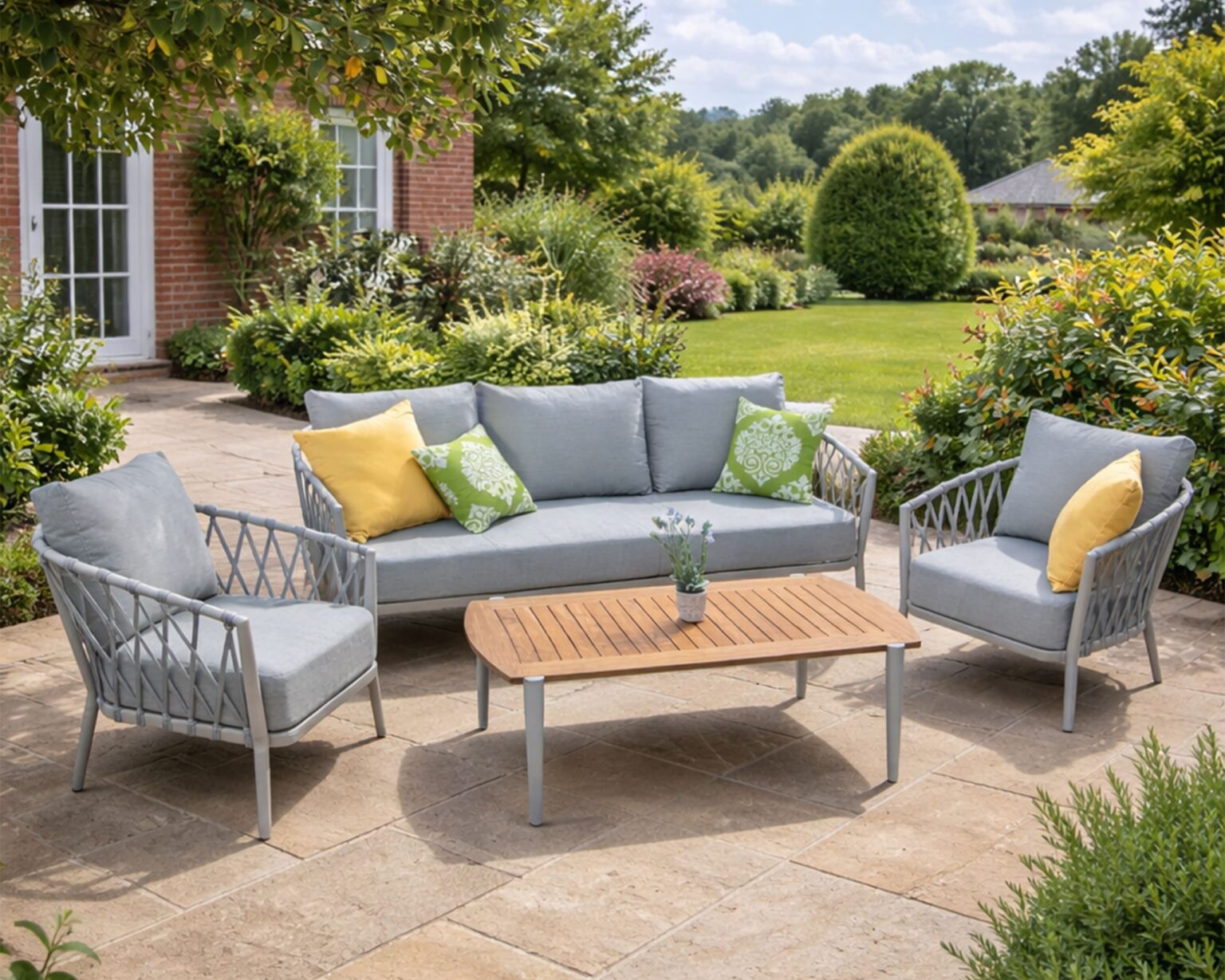
Outdoor lounge sets are designed for comfort and relaxation. They often include sofas, armchairs, and a coffee table. Lounge furniture is perfect for patios and poolside areas.

These sets are great for:

  • Relaxing with friends
  • Enjoying evening tea or coffee
  • Hosting outdoor movie nights
  • Creating a resort-style garden vibe

Outdoor lounge furniture is often made with weather-resistant cushions and durable frames.

3. Garden Benches

Garden benches are classic and timeless. They can be placed in various spots, such as near a flower bed, under a tree, or along a walkway.

Benches offer:

  • Simple seating without taking too much space
  • Decorative charm
  • A peaceful sitting area for reading and nature watching

Wooden benches give a natural look, while metal benches offer a more traditional or vintage style.

4. Sun Loungers and Recliners

Sun loungers are popular for people who love sunbathing or relaxing outdoors. Many loungers are adjustable and allow you to recline at different angles.

They are ideal for:

  • Pool areas
  • Deck spaces
  • Garden relaxation corners
  • Vacation-style outdoor setups

Some loungers also come with built-in wheels for easy movement.

5. Hanging Chairs and Swings

Hanging chairs and garden swings add a fun and stylish touch to outdoor spaces. They are especially popular for modern patios and cozy gardens.

Benefits include:

  • A relaxing rocking motion
  • Unique visual appeal
  • Comfortable seating for one or more people

These pieces are often made with rattan, wicker, or metal frames.

6. Bistro Sets

Bistro sets are small outdoor furniture sets, usually consisting of a compact table and two chairs. They are perfect for balconies, small patios, and apartment gardens.

Bistro sets are great for:

  • Morning coffee
  • Small outdoor dining
  • Space-saving seating solutions

They are lightweight and easy to move around.

Best Materials for Garden Furniture

The material you choose matters because outdoor furniture is exposed to sunlight, rain, wind, and dust. Below are the most common garden furniture materials and their advantages.

1. Wooden Garden Furniture

Wood is one of the most popular choices because it blends beautifully with natural surroundings. Common wood types include teak, eucalyptus, and acacia.

Pros:

  • Attractive natural look
  • Strong and durable
  • Fits classic and rustic garden themes

Cons:

  • Needs regular maintenance
  • Can fade or crack if untreated

Teak is considered the best option because it naturally resists moisture and insects.

2. Rattan and Wicker Furniture

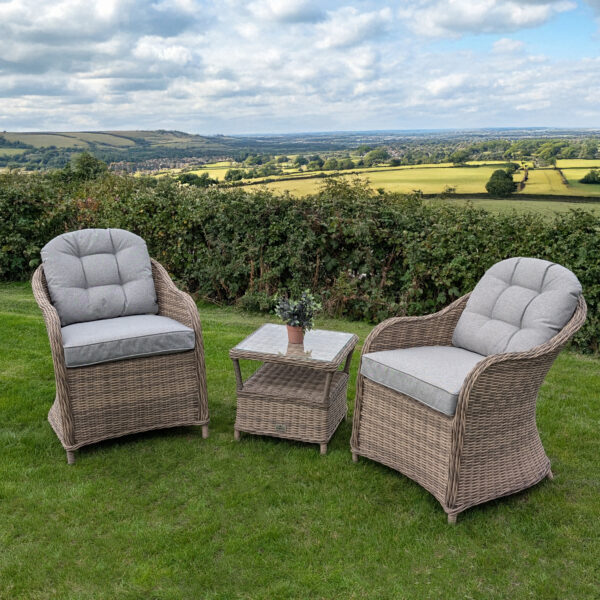
Rattan garden furniture is widely loved for its stylish and modern appearance. Synthetic rattan is more popular than natural rattan because it withstands weather better.

Pros:

  • Lightweight yet durable
  • Stylish and modern
  • Comfortable with cushions

Cons:

  • Natural rattan is not suitable for heavy rain
  • Needs cleaning to prevent dust buildup

Synthetic rattan is ideal for outdoor use due to its weather resistance.

3. Metal Garden Furniture

Metal furniture includes aluminum, steel, and wrought iron. Aluminum is the most common choice for modern outdoor spaces.

Pros:

  • Strong and long-lasting
  • Modern appearance
  • Aluminum is rust-resistant and lightweight

Cons:

  • Steel can rust if not coated
  • Wrought iron can be heavy

Metal furniture works well in contemporary, minimal, and industrial garden designs.

4. Plastic and Resin Furniture

Plastic garden furniture is affordable and easy to maintain. Resin furniture is a stronger, upgraded version of plastic.

Pros:

  • Budget-friendly
  • Lightweight and portable
  • Easy to clean

Cons:

  • May fade in sunlight
  • Less luxurious appearance

Plastic furniture is great for casual use and families with kids.

5. Concrete and Stone Furniture

Stone and concrete outdoor furniture is designed for luxury outdoor spaces and long-term durability.

Pros:

  • Extremely durable
  • Elegant and premium appearance
  • Resistant to weather damage

Cons:

  • Heavy and difficult to move
  • Can be expensive

Stone furniture is ideal for permanent garden seating arrangements.

How to Choose the Right Garden Furniture

Choosing the right garden furniture requires careful thought. Here are key factors to consider.

1. Measure Your Outdoor Space

Before buying furniture, measure your garden, patio, or balcony. Large furniture sets can overcrowd small spaces, while small sets may look lost in big gardens.

2. Decide Your Purpose

Ask yourself: What will you use the furniture for?

  • Dining? Choose a dining set
  • Relaxing? Choose lounge sofas or loungers
  • Decoration? Choose benches or hanging chairs
  • Small area? Choose bistro sets

Understanding your purpose helps you buy furniture that fits your lifestyle.

3. Consider Comfort

Outdoor furniture should feel as comfortable as indoor furniture. Look for thick cushions, supportive backrests, and quality seating design.

4. Choose Weather-Resistant Materials

If your region has heavy rain or extreme heat, choose materials that can handle outdoor conditions. Synthetic rattan, aluminum, and treated wood are excellent options.

5. Think About Storage

Some furniture requires storage during winter or rainy seasons. Folding chairs, stackable sets, or lightweight furniture is easier to store.

If you don’t have storage space, invest in furniture covers to protect your pieces.

Styling Ideas for Garden Furniture

Garden furniture isn’t just functional—it’s also a big part of outdoor decoration. Here are some ways to style your outdoor space beautifully.

Add Outdoor Cushions and Throws

Bright cushions and cozy throws make outdoor furniture more comfortable and visually attractive. Neutral furniture can instantly look more vibrant with colorful cushions.

Use Outdoor Rugs

Outdoor rugs define seating and dining areas. They also add warmth and style, making your garden feel like an extension of your indoor living room.

Install Garden Lighting

Lighting enhances the beauty of your furniture at night. Use:

  • Solar lights
  • String fairy lights
  • Lanterns
  • LED pathway lighting

Lighting creates a cozy and luxurious atmosphere.

Include Shade Options

Sun umbrellas, pergolas, or shade sails protect furniture and improve comfort. A shaded sitting area feels more inviting, especially in summer.

Add Plants and Décor

Decorate your outdoor furniture area with:

  • Potted plants
  • Hanging baskets
  • Garden sculptures
  • Decorative candles

These details make your outdoor space feel more personal and relaxing.

Maintenance Tips for Long-Lasting Garden Furniture

Proper care helps garden furniture last for many years. Here are essential maintenance tips.

Clean Regularly

Dust, pollen, and bird droppings can damage furniture over time. Wipe surfaces weekly using mild soap and water.

Use Protective Covers

Furniture covers protect against rain, UV rays, and dirt. This is especially important for wooden furniture and cushions.

Store Cushions Indoors

Outdoor cushions should be stored inside during rainy seasons. Even waterproof cushions last longer when protected.

Treat Wooden Furniture

Wood needs oiling or sealing to prevent cracking and fading. Apply protective oil at least once or twice a year.

Prevent Rust on Metal Furniture

If your metal Garden furniture UK develops rust spots, remove them quickly with a rust remover and repaint the surface if necessary.

Popular Garden Furniture Trends

Garden furniture trends change with time, but some styles remain consistently popular.

Modular Outdoor Furniture

Modular sofa sets allow you to rearrange pieces based on your needs. This is ideal for flexible outdoor spaces.

Minimalist Modern Designs

Clean lines, neutral colors, and sleek aluminum frames are trending in modern garden furniture.

Eco-Friendly Materials

Sustainable furniture made from recycled plastic, bamboo, or responsibly sourced wood is becoming more popular.

Outdoor Fire Pit Sets

Fire pit tables with surrounding seating create a luxury outdoor experience and allow people to enjoy gardens even in cooler seasons.

Final Thoughts

Garden furniture is an essential part of creating a beautiful and functional outdoor space. Whether you want a comfortable lounge area, a dining setup for family gatherings, or a stylish balcony arrangement, the right garden furniture can transform your garden into a personal retreat.

When choosing garden furniture, always focus on comfort, durability, and materials suited to your climate. With proper care and smart styling, your outdoor furniture will remain attractive and useful for years.

A well-furnished garden isn’t just a space—it’s a lifestyle upgrade. Investing in quality garden furniture means more outdoor enjoyment, more family moments, and a garden that feels like a true extension of your home.

Patio Furniture: The Ultimate Guide to Style, Comfort, and Outdoor LivingPatio Furniture: The Ultimate Guide to Style, Comfort, and Outdoor Living

Outdoor spaces have become an extension of the modern home. Whether it’s a small balcony, a spacious backyard, or a luxurious garden, people now view outdoor areas as places to relax, entertain, and recharge. At the heart of every well-designed outdoor space is patio furniture. The right patio furniture not only enhances the beauty of your exterior but also improves comfort, functionality, and overall lifestyle.

In this comprehensive guide, we’ll explore everything you need to know about patio furniture—types, materials, design tips, maintenance, and how to choose the best options for your space and budget.

What Is Patio Furniture?

Patio furniture refers to outdoor furniture specifically designed to withstand outdoor conditions such as sunlight, rain, humidity, and temperature changes. Unlike indoor furniture, patio furniture is made with durable materials that resist weather damage while still offering comfort and style.

Common pieces of patio furniture include chairs, tables, sofas, loungers, benches, dining sets, umbrellas, and accessories like cushions and side tables.

Why Patio Furniture Is Important

Investing in quality patio furniture transforms an ordinary outdoor area into a functional living space. Here’s why it matters:

  • Comfort: Proper seating and tables allow you to enjoy your outdoor space for longer periods.
  • Aesthetic appeal: Stylish patio furniture enhances curb appeal and complements landscaping.
  • Entertainment: Outdoor dining sets and lounge furniture make hosting guests easy and enjoyable.
  • Property value: Well-designed outdoor spaces can increase the overall value of your home.
  • Lifestyle upgrade: Patio furniture encourages outdoor relaxation, family time, and social gatherings.

Types of Patio Furniture

Choosing the right type of patio furniture depends on how you plan to use your outdoor space. Below are the most popular categories.

1. Patio Dining Sets

Patio dining sets are perfect for outdoor meals, barbecues, and family gatherings. They usually include a table and matching chairs and come in various sizes, from compact bistro sets to large dining tables for 8–10 people.

Best for: Outdoor dining, entertaining guests
Common materials: Aluminum, teak, wrought iron, resin wicker

2. Outdoor Lounge Furniture

Lounge furniture focuses on relaxation and comfort. This category includes sofas, sectionals, armchairs, ottomans, and coffee tables.

Best for: Relaxing, socializing, poolside areas
Popular styles: Modular sectionals, deep seating sets

3. Patio Chairs

Patio chairs are versatile and can be used alone or with tables. Options include Adirondack chairs, rocking chairs, folding chairs, and swivel chairs.

Best for: Small spaces, flexible seating
Bonus: Easy to rearrange and store

4. Chaise Lounges and Sunbeds

These are designed for sunbathing and poolside relaxation. Many chaise lounges feature adjustable backs and wheels for easy movement.

Best for: Pools, gardens, sunny patios
Materials: Plastic resin, aluminum, teak

5. Bistro Sets

Bistro sets usually include two chairs and a small table. They are compact and ideal for balconies or small patios.

Best for: Apartments, cafés, small outdoor areas
Style: Cozy, European-inspired

6. Patio Umbrellas and Accessories

While not seating, accessories complete the patio furniture setup. Umbrellas provide shade, while side tables, fire pits, and outdoor rugs add comfort and personality.

Popular Patio Furniture Materials

The durability and appearance of patio furniture depend heavily on the material. Let’s explore the most common options.

1. Aluminum Patio Furniture

Aluminum is lightweight, rust-resistant, and easy to maintain. It’s one of the most popular choices for modern patio furniture.

Pros:

  • Rust-proof
  • Lightweight
  • Affordable

Cons:

  • Can get hot in direct sunlight
  • May feel less sturdy in strong winds

2. Wicker and Resin Wicker

Traditional wicker is made from natural fibers, while resin wicker is synthetic and better suited for outdoor use.

Pros:

  • Stylish and comfortable
  • Weather-resistant (resin wicker)
  • Works well with cushions

Cons:

  • Natural wicker is not suitable for rain
  • Lower-quality resin can fade over time

3. Wood Patio Furniture

Wooden patio furniture offers a natural and timeless look. Teak, cedar, eucalyptus, and acacia are popular choices.

Pros:

  • Elegant appearance
  • Strong and durable
  • Eco-friendly options available

Cons:

  • Requires regular maintenance
  • Can be expensive (especially teak)

4. Wrought Iron Furniture

Wrought iron patio furniture is heavy, classic, and extremely durable.

Pros:

  • Very sturdy
  • Traditional, elegant look
  • Wind-resistant

Cons:

  • Can rust without proper coating
  • Heavy and difficult to move

5. Plastic and Resin Furniture

Plastic patio furniture is budget-friendly and easy to clean. Modern resin designs look much more stylish than older plastic furniture.

Pros:

  • Affordable
  • Lightweight
  • Low maintenance

Cons:

  • Less durable
  • Can fade or crack over time

How to Choose the Right Patio Furniture

Selecting the perfect patio furniture requires more than just liking how it looks. Consider the following factors.

1. Measure Your Space

Before buying, measure your patio, deck, or balcony carefully. Make sure there’s enough room to move around comfortably after placing furniture.

2. Consider Climate and Weather

Your local climate plays a major role. For rainy or humid areas, choose rust-resistant and moisture-resistant materials. For hot climates, look for UV-resistant finishes and breathable cushions.

3. Decide on Functionality

Ask yourself:

  • Will you dine outdoors often?
  • Do you want a lounging or entertaining area?
  • Is the space for family use or formal gatherings?

Your answers will guide the type of patio furniture you need.

4. Comfort Matters

Comfort is just as important as durability. Look for:

  • Ergonomic chair designs
  • Thick, high-quality cushions
  • Adjustable features (reclining backs, footrests)

5. Match Your Style

Patio furniture should complement your home’s architecture and outdoor décor. Popular styles include:

  • Modern: Clean lines, neutral colors, aluminum frames
  • Rustic: Wooden furniture, earthy tones
  • Coastal: White or light-colored wicker, blue accents
  • Traditional: Wrought iron, ornate details

Patio Furniture Maintenance Tips

Proper care extends the life of your patio furniture and keeps it looking new.

Cleaning Tips

  • Clean aluminum and plastic with mild soap and water.
  • Use special cleaners for wood and metal.
  • Wash cushions regularly and let them dry completely.

Protection

  • Use furniture covers when not in use.
  • Store cushions indoors during heavy rain or winter.
  • Apply sealants or protective oils to wooden furniture.

Seasonal Care

  • Inspect for rust, cracks, or loose screws.
  • Tighten bolts and repaint metal furniture if needed.

Sustainable and Eco-Friendly Patio Furniture

As sustainability becomes more important, many homeowners are choosing eco-friendly patio furniture options.

  • Recycled plastic furniture
  • FSC-certified wood
  • Low-impact manufacturing processes
  • Durable designs that reduce waste

Eco-friendly patio furniture not only benefits the environment but also offers long-lasting performance.

Patio Furniture Trends

Outdoor design trends continue to evolve. Some popular patio outdoor furniture trends include:

  • Modular outdoor sectionals
  • Neutral and earthy color palettes
  • Mixed materials (wood + metal)
  • Outdoor sofas that look like indoor furniture
  • Smart outdoor lighting and accessories

Conclusion

Patio furniture plays a vital role in creating a comfortable, stylish, and functional outdoor living space. With so many materials, designs, and styles available, choosing the right patio furniture may feel overwhelming—but with proper planning, it becomes an exciting opportunity to enhance your home.

By considering your space, climate, budget, and personal style, you can invest in patio furniture that offers years of comfort and enjoyment. Whether you’re hosting outdoor dinners, relaxing with a book, or enjoying family time, the right patio furniture turns your outdoor area into a true extension of your home.

When to Call a 24/7 Emergency Plumber Key ConsiderationsWhen to Call a 24/7 Emergency Plumber Key Considerations

You might think you can handle minor plumbing issues on your own, but knowing when to call a 24/7 emergency plumber can save you from bigger headaches down the line. Is that persistent leak more than just a nuisance? Or maybe you’ve noticed strange noises from your pipes? These signs could indicate a plumbing emergency that demands immediate attention. Understanding the severity and potential risks involved is key, and it might just change how you approach your home maintenance. So, what are the critical factors that should influence your decision to reach out for professional help?

Signs of a Plumbing Emergency

When you spot water pooling on your kitchen floor, it’s a clear sign that you might be facing a plumbing emergency. This unexpected accumulation can lead to significant damage if left unchecked.

You should also pay attention to dripping faucets or running toilets, as these issues often indicate underlying problems that need immediate attention.

If you notice a sudden drop in water pressure, that’s another red flag. It could mean a leak in your plumbing system, and you’ll want to address this quickly to avoid further complications.

Unpleasant odors coming from your drains can signal a clog or sewage backup, which is certainly a reason to call for help right away.

Moreover, if your pipes are making strange noises—like banging or gurgling—that’s not normal and shouldn’t be ignored.

Don’t forget about frozen pipes, especially in colder months; if you suspect this, you’ll need to act fast to prevent them from bursting.

Recognizing these signs early on can save you from costly repairs and extensive damage, so don’t hesitate to reach out to a 24/7 emergency plumber when you notice any of these issues.

Types of Plumbing Issues

Plumbing issues can take many forms, and recognizing them early can save you time and money. Common problems you might encounter include clogged drains, which can disrupt your daily routine and result in unpleasant odors.

If you notice water pooling around your fixtures, you could be dealing with a leaky pipe, which can lead to water damage if left unchecked.

Another issue is a running toilet, causing unnecessary water waste and higher bills. Low water pressure, often caused by mineral buildup or leaks, can make daily tasks frustrating.

You may also face sewer line backups, which can severely disrupt your home and pose health risks.

If you experience burst pipes, particularly in winter, don’t hesitate to call for help; this can lead to significant damage in a short amount of time.

Additionally, issues with your water heater, like inconsistent temperatures or strange noises, signal the need for immediate attention.

Understanding these types of plumbing issues can help you identify when you need professional assistance. Proactive measures can prevent minor problems from escalating into more serious emergencies that require costly repairs.

Potential Risks of Delaying

Delaying plumbing repairs can lead to serious consequences that affect your home and wallet.

When you ignore a plumbing issue, the potential risks multiply quickly, and you might end up with more significant problems down the line.

Here are three key risks you should consider:

1. Water Damage: Leaks can cause extensive water damage, leading to mold growth and structural issues.

What starts as a small drip can evolve into a major restoration project if left unchecked.

2. Health Hazards: Standing water and mold create a breeding ground for bacteria and allergens.

Ignoring plumbing issues can put your family’s health at risk, leading to respiratory problems or other illnesses.

3. Increased Repair Costs: The longer you wait, the more likely the problem will worsen.

A minor repair can escalate into a major emergency, requiring more time and resources to fix.

Cost Implications of Emergencies

Emergency plumbing situations can hit your wallet hard. When a pipe bursts or your toilet overflows at midnight, you might feel rushed to call for help, but this urgency often comes with a hefty price tag.

Emergency plumbers typically charge higher rates, especially during weekends or holidays. You’re not just paying for the service; you’re also covering the costs of their immediate availability.

Additionally, the longer you wait to address plumbing issues, the more damage can occur. Water leaks can lead to mold growth and structural damage, which can significantly increase your repair costs.

If you choose to ignore smaller issues, they can escalate into full-blown emergencies that are much more expensive to fix.

Before calling an emergency plumber, it’s wise to assess the situation. Ask yourself if it genuinely qualifies as an emergency or if it can wait for regular business hours.

If you can contain the issue temporarily, it might save you some cash. Remember, acting quickly can prevent further damage and help keep your repair costs in check.

Ultimately, understanding the financial implications can help you make a more informed decision when plumbing troubles arise.

Choosing the Right Plumber

Finding the right plumber can feel overwhelming, especially when you’re in a stressful situation.

To ease the process, you can focus on a few key factors that will help you make an informed choice. Here are three essential considerations:

1. Licensing and Insurance: Ensure the local plumbers holds the necessary licenses and insurance. This protects you from liability should any accidents occur during the job.

2. Experience and Specialization: Look for a plumber with experience in handling emergency situations.

Specialization in your specific plumbing issue, such as burst pipes or clogged drains, can lead to faster and more effective repairs.

3. Reviews and Recommendations: Check online reviews and ask friends or family for recommendations.

A plumber with a strong reputation is more likely to provide quality service and customer satisfaction.

Conclusion

In conclusion, knowing when to call a 24/7 emergency plumber can save you time, money, and stress. If you notice signs like severe leaks, sewage backups, or unusual noises, don’t hesitate to reach out for help. Delaying can lead to bigger issues and costly repairs. By acting promptly and choosing the right plumber, you’ll protect your home and keep your plumbing system running smoothly. Trust your instincts—if it feels like an emergency, it probably is!