

Category: Other

Natural Carpet Cleaning Solutions Safe  Effective  and Eco Friendly Methods for Your HomeNatural Carpet Cleaning Solutions Safe  Effective  and Eco Friendly Methods for Your Home

When it comes to keeping your carpets clean and your indoor environment healthy, natural carpet cleaning solutions offer a compelling alternative to traditional methods. By embracing ingredients commonly found in your pantry and combining them in simple recipes, you can effectively tackle common carpet stains and odors without resorting to harsh chemicals. These eco-friendly solutions not only provide a safer cleaning experience but also contribute to a greener home environment. Ready to discover the secrets to achieving spotless carpets the natural way?

Benefits of Natural Carpet Cleaning

When it comes to maintaining a clean and healthy home environment, choosing natural carpet cleaning solutions offers a multitude of benefits. Natural solutions are gentle on your carpets, ensuring they remain in good condition while effectively removing dirt and stains.

Unlike harsh chemical cleaners, natural ingredients are safer for your family and pets, reducing exposure to potentially harmful substances. Additionally, natural cleaning solutions are environmentally friendly, reducing the impact on the planet compared to traditional chemical cleaners.

Using natural ingredients like baking soda, vinegar, and essential oils not only cleans your carpets effectively but also leaves behind a fresh and pleasant scent. These solutions are often readily available in your kitchen or pantry, making them convenient and cost-effective alternatives to store-bought cleaners.

Embracing natural carpet cleaning methods can also contribute to improved indoor air quality by reducing the number of chemicals released into the air during and after cleaning. Make the switch to natural carpet cleaning solutions today for a healthier home environment for you and your loved ones.

Essential Ingredients for DIY Solutions

To continue maintaining a clean and healthy home environment with natural carpet cleaning solutions, it’s essential to know the key ingredients for effective do-it-yourself (DIY) cleaning solutions. By using common household items, you can create powerful carpet cleaners that are safe for both your family and the environment. Below is a table outlining the essential ingredients for DIY carpet cleaning solutions:

Ingredient Purpose
Baking Soda Deodorizes and lifts stains
White Vinegar Disinfects and breaks down stains
Hydrogen Peroxide Removes tough stains and brightens carpets
Essential Oils Adds a pleasant scent and enhances cleaning properties

Eco-Friendly Store-Bought Cleaning Products

For those seeking convenient and environmentally conscious alternatives to DIY carpet cleaning solutions, eco-friendly store-bought cleaning products offer a practical solution. These products are formulated with natural and sustainable ingredients, making them safe for your family and pets while being gentle on the environment. Here are some key benefits of using eco-friendly store-bought cleaning products:

  1. Non-Toxic Formulas: Most eco-friendly clean green carpet cleaning products are free from harsh chemicals like chlorine, ammonia, and phthalates, reducing indoor air pollution and promoting a healthier home environment.
  2. Biodegradable Ingredients: These products are made from biodegradable materials that break down easily without harming ecosystems, making them a more sustainable choice for the planet.
  3. Cruelty-Free: Many eco-friendly cleaning products aren’t tested on animals, ensuring that no harm is done to our furry friends in the process of keeping our homes clean.
  4. Recyclable Packaging: Eco-friendly cleaning products often come in recyclable or biodegradable packaging, minimizing waste and reducing your carbon footprint.

Effective Stain Removal Techniques

If you’ve ever dealt with stubborn stains on your carpet, knowing effective stain removal techniques can save you time and frustration.

When it comes to removing stains naturally, white vinegar is your best friend. Mix one part vinegar with two parts water in a spray bottle and spritz the stained area. Let it sit for a few minutes before gently blotting it with a clean cloth.

For tougher stains, try a paste of baking soda and water. Apply it to the stain, let it dry, then vacuum it up.

Another powerful stain remover is hydrogen peroxide. Mix it with a small amount of dish soap and gently work it into the stain. Remember to do a spot test in an inconspicuous area first.

For greasy stains, sprinkle cornstarch or baking soda on them, let it sit for a few hours, then vacuum. These natural remedies are effective, safe, and eco-friendly alternatives for keeping your carpets spotless.

Tips for Maintaining Clean Carpets

Regular maintenance is key to keeping your carpets looking clean and fresh. Here are some simple yet effective tips to help you maintain your carpets in top condition:

  1. Vacuum Regularly: Make it a habit to vacuum your carpets at least once a week to remove dirt, dust, and debris that can accumulate and cause wear and tear.
  2. Spot Clean Spills Immediately: Address spills and stains promptly to prevent them from setting into the carpet fibers. Blot the area with a clean cloth and a mild cleaning solution.
  3. Rotate Furniture: To prevent permanent indentations and uneven wear on your carpets, rotate your furniture occasionally to distribute the weight and foot traffic.
  4. Professional Cleaning: Schedule professional carpet cleaning at least once a year to deep clean and refresh your carpets, extending their lifespan and maintaining their appearance.

Frequently Asked Questions

Can Natural Carpet Cleaning Solutions Attract Pests or Insects?

Natural carpet cleaning solutions may attract pests or insects if improperly stored or used. Ensure containers are tightly sealed and follow instructions. Regularly inspect for signs of pests. Proper usage reduces risks. Follow guidelines for safe and effective cleaning.

Do DIY Solutions Leave a Residue That Attracts Dirt?

DIY solutions may leave a residue that attracts dirt, making carpets dirtier quicker. To avoid this, ensure thorough rinsing during cleaning. Stay vigilant for any signs of residue buildup to maintain a clean carpet.

Will Eco-Friendly Products Eliminate Pet Odor From Carpets?

Yes, eco-friendly products can effectively eliminate pet odors from carpets. They contain natural enzymes that break down odor-causing molecules, leaving your carpets fresh and clean without harmful chemicals. Try them for a healthy home environment.

Can Natural Solutions Remove Tough Stains Like Red Wine?

Yes, natural solutions can effectively remove tough stains like red wine from your carpet. Using eco-friendly products and methods not only ensures safety but also helps in maintaining a clean and healthy environment in your home.

Are Store-Bought Eco-Friendly Products Safe for Children and Pets?

Yes, store-bought eco-friendly products can be safe for children and pets. Always read labels for specific instructions. Remember to test a small area first for any adverse reactions. Keep products out of reach and follow safety guidelines.

Conclusion

In conclusion, natural carpet cleaning solutions offer a safe, effective, and eco-friendly way to keep your carpets clean and healthy. By using simple ingredients like baking soda and vinegar, you can remove stains and odors without harsh chemicals. Whether you choose to make your own DIY solutions or opt for eco-friendly store-bought products, these methods will help maintain the condition of your carpets and promote a healthier indoor environment for you and your loved ones.
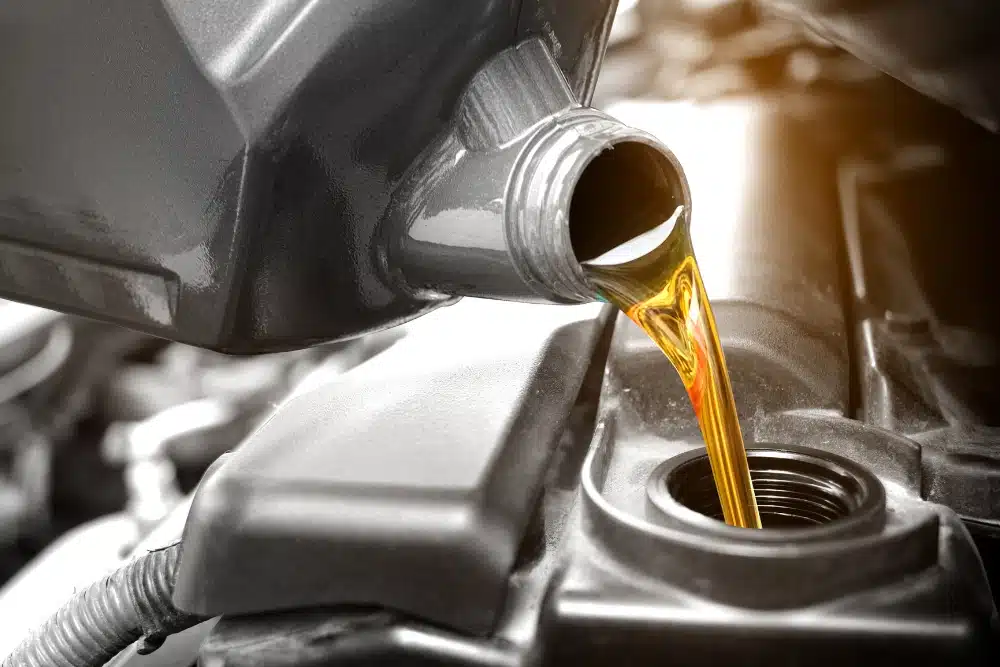

The Hidden Perils of Cheap Oil Protect Your Engine from Damage in Knoxville  TNThe Hidden Perils of Cheap Oil Protect Your Engine from Damage in Knoxville  TN

We all know that owning a car is an investment, and like any investment, it requires care and attention to maintain its value. In Knoxville, TN, where the weather swings from sweltering heat to icy cold, your vehicle’s engine faces unique challenges throughout the year. That’s why regular oil changes are essential to keep things running smoothly. But here’s the catch: while cheap oil engine damage Knoxville TN changes are a necessary routine, using cheap motor oil may seem like an easy way to save money, but it could cost you much more in the long run.

Why Cheap Oil Seems Like a Good Deal

It’s tempting. You walk into an auto shop, and the clerk offers you a “budget-friendly” oil change. The price is lower than usual, and you think, “Why not save a few bucks?” After all, oil is oil, right? Unfortunately, it’s not that simple. Cheap oil may appear to be a bargain, but what you don’t realize is that it may cause far more harm to your engine than you anticipate.

In the short term, you’re saving money, but in the long term, your car could be running the risk of major engine damage. Whether you’re cruising through the streets of downtown Knoxville or taking a scenic drive around the Great Smoky Mountains, your engine needs oil that can keep up with the demands of both daily driving and harsh environmental conditions.

The Role of Oil in Your Engine

To understand why cheap oil is a bad choice, let’s break down the job oil does in your engine. Engine oil serves several critical functions. First and foremost, it lubricates the moving parts within your engine to reduce friction. This is key in preventing wear and tear. Without oil, parts would quickly grind against each other, causing premature damage.

But oil does more than just lubricate—it also helps in cooling the engine, cleaning out dirt and debris, and forming a protective barrier to guard against corrosion. For these reasons, high-quality oil is essential. It needs to have the right balance of additives that can stand up to high temperatures, carry away impurities, and keep your engine running as efficiently as possible.

Cheap oils often lack these important additives. They’re formulated with less care, using cheaper base oils and fewer quality additives. Over time, this can lead to damage to your engine’s internal components. So, what are the risks of using subpar oil?

The Dangers of Cheap Oil in Knoxville’s Harsh Climate

Knoxville is known for its unpredictable weather, ranging from the humid summer months to the freezing winters. These extremes put extra strain on your engine, especially when you use low-quality motor oil. Here’s how cheap oil can affect your car in different conditions:

  1. In Hot Weather: During summer, when temperatures in Knoxville can rise well into the 90s or even higher, your engine’s oil must be able to withstand intense heat. Cheap oil can break down faster in high temperatures, which means it may lose its viscosity. When the oil thins out, it can’t lubricate the engine effectively, causing friction and overheating. This leads to parts warping, and in the worst case, an engine failure.

  2. In Cold Weather: In winter, when temperatures drop below freezing, cheap oil becomes thicker and loses its flowability. This can make it harder for your engine to start because the oil struggles to reach vital engine parts. If the oil doesn’t circulate properly, it can cause parts to rub against each other, leading to unnecessary wear.

  3. Poor Engine Protection: In both hot and cold conditions, low-quality oils don’t provide the same level of protection against the formation of sludge and deposits. As oil degrades, it can leave behind unwanted debris that clogs oil passages, reducing the flow of oil to critical engine components. This can cause a build-up of harmful sludge that could eventually result in engine failure if not addressed.

The Hidden Costs of Cheap Oil

While it may seem like you’re saving money upfront with cheap oil, you’re actually setting yourself up for larger bills down the road. Here’s how:

  • Early Engine Wear: The primary risk of using cheap oil is increased engine wear. If your oil isn’t lubricating effectively, metal parts inside the engine grind against each other, causing faster deterioration. Over time, this wear can lead to costly repairs or even the need for an engine replacement.

  • Sludge Build-up: As mentioned earlier, cheap oils break down more easily, creating sludge that can clog your engine. Removing sludge can be expensive and time-consuming, and in many cases, it could be too late by the time you notice. This might result in the need for an entirely new engine.

  • Reduced Fuel Efficiency: When your engine is working harder due to inadequate lubrication, it consumes more fuel. This means you’re not just spending more on repairs in the future, but also on gas right now. Over time, this can seriously add up.

  • Voided Warranty: Many car manufacturers specify the type of oil that must be used in order for the vehicle’s warranty to remain valid. If you’re using a substandard oil, your warranty could be voided, leaving you liable for any future repairs.

Choosing the Right Oil in Knoxville

The good news is that you don’t have to fall for the temptation of cheap oil. Instead, make sure you’re using the right type of oil for your vehicle’s needs. First, always consult your owner’s manual for the recommended oil grade and specifications. If you’re not sure about which oil is best, seek advice from a trusted local mechanic.

In Knoxville, there are plenty of reputable auto shops that can help guide you in choosing the best oil for your car. They understand the climate and driving conditions in East Tennessee, and they can provide expert recommendations on oils that will protect your vehicle year-round.

Conclusion: Invest in Your Car’s Future

While it might seem like a small financial win to use cheap oil, the potential damage it can cause to your engine could lead to significantly higher costs down the line. The next time you need an oil change, remember that quality oil is an investment in your vehicle’s longevity and efficiency. Protect your engine, save on future repair costs, and keep your car running smoothly for years to come. Don’t compromise on your car’s health—choose quality oil and avoid the pitfalls of cutting corners. Your car (and wallet) will thank you.

Signs Your Truck Needs Suspension Repair in Monroe, LA What Every Truck Owner Should KnowSigns Your Truck Needs Suspension Repair in Monroe, LA What Every Truck Owner Should Know

Your truck’s suspension system is an integral part of your vehicle’s overall performance. It’s responsible for ensuring that your truck rides smoothly, handles properly, and maintains safety on the road. However, like any mechanical system, the suspension can wear down over time, leading to a variety of issues that can affect both the comfort and safety of your driving experience. In Monroe, LA, where roads can vary from smooth highways to bumpy rural paths, keeping your truck’s suspension in top shape is essential for optimal driving performance.

If you’re a truck owner, it’s crucial to understand the warning signs that your suspension may be in need of repair. Catching suspension issues early can help you avoid more costly repairs down the road and ensure that you and your passengers stay safe while on the road. Here are the most common signs that your truck might need suspension repair in Monroe, LA.

1. Bumpy or Rough Ride

One of the most noticeable signs of suspension problems is a bumpy or rough ride. If you find that your truck feels more uncomfortable than usual or if you feel every bump, pothole, or crack in the road, it’s likely that the suspension system is no longer functioning as it should.

The suspension is designed to absorb shocks and vibrations from the road, providing a smoother ride. When components like shock absorbers or struts start to wear out, the vehicle’s ability to absorb these bumps diminishes. If you’re noticing more jarring than usual when driving, it’s time to have your suspension checked.

2. Uneven or Poor Steering Response

If your truck is having trouble maintaining a straight line or if the steering feels loose, unresponsive, or even “pulls” to one side, it could indicate an issue with the suspension system. The steering system and suspension are closely linked, so any issues with one can affect the other.

When suspension components like ball joints, control arms, or tie rods wear out, it can cause instability in steering, making it harder to control the truck, especially at higher speeds or when turning. Alignment problems can also stem from suspension issues, causing the vehicle to pull in one direction or drift unexpectedly.

3. Vehicle Tilting or Pulling to One Side

If your truck seems to tilt or pull to one side, it could indicate uneven suspension wear. This problem is often caused by a failure in a suspension component, such as a damaged spring, shock absorber, or bushing, that results in the weight distribution of your truck being off-balance.

A truck that pulls to one side can be dangerous, especially when driving at higher speeds or when making turns. A simple way to check if your truck is leaning or tilting is by looking at the truck on a flat surface. If it seems to rest lower on one side, it’s a sign that the suspension is no longer functioning properly.

4. Nose Diving or Rear Squatting

Does your truck’s front end dip when you apply the brakes or does the rear end squat when accelerating or carrying heavy loads? If you notice this, it’s a clear sign that your truck’s suspension needs attention. The issue could lie with your truck’s shocks or struts, which are designed to keep your vehicle level during braking and acceleration.

When the suspension system is worn, it can no longer support the weight of the vehicle properly. As a result, you might experience “nose diving” during braking or rear squatting under acceleration, especially when towing or carrying heavy loads. This not only impacts the handling of your truck but can also increase the risk of an accident.

5. Abnormal Tire Wear

Uneven tire wear can be a direct result of suspension issues. When the suspension system isn’t functioning properly, it can cause misalignment of the tires, leading to uneven contact with the road surface. This can result in premature tire wear, which can quickly become costly.

If you notice that your tires are wearing unevenly—such as more wear on one side of the tire than the other—it could be a sign that the suspension is misaligning the wheels. Tire rotations can help, but if you don’t address the root suspension issue, the problem will continue to affect the longevity of your tires.

6. Clunking, Grinding, or Knocking Noises

Strange noises coming from your truck, especially when going over bumps or uneven terrain, could be a clear indication of suspension issues. If you hear a clunking, grinding, or knocking noise, it often points to worn-out suspension components such as ball joints, bushings, or shock absorbers.

When these parts begin to wear or break down, they can make noise as they move around, or when they fail to absorb shocks properly. The noise can vary in pitch or intensity depending on the severity of the suspension problem, but if you hear these sounds, it’s a sign that repairs are needed sooner rather than later.

7. Visible Wear or Damage to Suspension Components

Sometimes, you can spot suspension problems just by inspecting your vehicle. Check for any leaks, cracks, or dents in suspension components like the shock absorbers, struts, or springs. If you see anything unusual or damaged, it’s time to schedule a suspension inspection with a professional mechanic in Monroe, LA.

If you’re unsure about how to inspect your suspension system, an experienced technician can do a thorough visual inspection to identify any damage. It’s important not to ignore these visible signs, as neglecting to repair them could lead to more serious damage to your truck.

8. Difficulty in Handling or Cornering

If your truck feels like it’s struggling to maintain stability when making turns or cornering, it could be due to problems with the suspension. The suspension system plays a key role in maintaining proper balance during these maneuvers. If the suspension components are damaged or worn out, you may feel that the truck is leaning too much into turns or doesn’t respond to steering inputs as sharply as it should.

This issue often arises when the springs or shocks are failing to absorb the force of cornering, leading to excessive body roll. It can become increasingly difficult to control the vehicle, especially in tight turns or at higher speeds.

9. Increased Stopping Distance

A malfunctioning suspension system can affect the braking performance of your truck. The suspension helps to keep the vehicle’s wheels firmly on the ground, ensuring better traction and shorter stopping distances. If the suspension is worn, it could result in increased stopping distances or reduced braking efficiency.

This can be especially dangerous in emergency situations, where quick braking is essential. If your truck seems to take longer than usual to come to a complete stop, or if the brake pedal feels unresponsive, it could be a sign that your suspension system is contributing to the problem.

10. Warning Lights on the Dashboard

Some modern trucks are equipped with electronic suspension systems that can send warning signals to your dashboard if something’s wrong. If you see a warning light related to the truck suspension repair Monroe LA or handling system, it’s important to have it checked by a qualified mechanic as soon as possible. These warning lights may appear in conjunction with other symptoms like rough handling, poor steering, or the issues listed above.

Conclusion: Don’t Wait for a Breakdown—Act Early

In Monroe, LA, where road conditions can vary and trucks are often subjected to heavy use, keeping your suspension system in top shape is crucial for safety and performance. Recognizing the signs that your truck needs suspension repair can help prevent more severe issues down the road.

If you notice any of the symptoms listed above, don’t wait for the problem to worsen. Schedule a suspension inspection with a trusted mechanic in Monroe, LA, to diagnose and repair the issue before it leads to more costly repairs or dangerous driving conditions. Regular maintenance and timely repairs will ensure your truck stays safe, smooth, and efficient on the road for years to come.

How Innovative Designs in Perfume Boxes Capture the Essence of ScentsHow Innovative Designs in Perfume Boxes Capture the Essence of Scents

The moment you run into a beautifully crafted box of perfume, your senses are involved, stiring up a degree of anticipation that can increase the general experience of making use of the fragrance itself. Custom perfume boxes have actually emerged as a preferred option for brand names looking to differentiate themselves in a saturated market. With alternatives to customize the design, materials, and dimension, these boxes not just improve the branding of a fragrance yet additionally inform a tale one-of-a-kind to each scent.

A properly designed fragrance box can record the essence of the perfume inside, whether it be a fresh, floral fragrance, a deep, musky fragrance, or something completely progressive. Brands are identifying the importance of spending in high quality and aesthetically arresting packaging, comprehending that the right perfume boxes have the power to create instant interest and invoke curiosity.

When considering wholesale options, perfume boxes can likewise serve an important duty for merchants. When a merchant stocks a collection of custom perfume boxes, they not just develop a visually enticing shopping experience but additionally foster brand name commitment amongst their customers.

Explore box of perfume the necessary duty of custom perfume boxes in enhancing brand name identity, engaging consumers, and advertising sustainability, as these perfectly crafted plans come to be a crucial component of the fragrance experience.

In response to growing consumer awareness of ecological issues, several brand names are deciding for sustainable and recyclable products in their perfume packaging box. Selecting perfume boxes made from recycled products or those that make use of very little plastic reverberates well with a growing sector of eco-conscious customers.

Another essential aspect of perfume packaging is the capability of package itself. A box of perfume ought to not only be aesthetically enticing yet likewise highly practical. The right box design makes certain the safety of the delicate glass containers frequently used for perfumes, stopping damage during transport and display screen. Lots of perfume boxes come furnished with inserts that securely hold the containers in position, hence ensuring that the product continues to be pristine by the time it reaches the consumer. By prioritizing both visual and useful aspects, brands can increase the customer experience, making the unboxing one that enhances the happiness and excitement of discovering a brand-new aroma.

Limited version fragrance launches typically are available in striking custom perfume boxes made to create buzz and exhilaration around the item. The packaging becomes an important component of the allure, making the fragrance not just a scent but a collectible product. For perfume enthusiasts, getting a restricted edition fragrance often involves the adventure of unpacking a magnificently made box that signifies exclusivity and prestige. This phenomenon has actually led to a growing market for secondary sales, where collectors seek or trade uncommon perfume boxes that bring with them a background and worth beyond the fragrance they have.

For brands aiming to release their first line of fragrances or those looking to rebrand, teaming up with proficient developers that specialize in custom perfume boxes can pay returns. The collaborative procedure between fragrance creators and developers ensures that every aspect of the perfume packaging box lines up harmoniously with the brand name message and enhances the customers’ experience.

In an age dominated by shopping, on the internet buying’s ease has actually changed the way clients engage with fragrances. Upon acquiring a box of perfume online, however, lots of consumers are worried about the problem in which their chosen fragrance will certainly get here. This asks for thoroughly developed packaging that can endure the roughness of delivery. Brands should focus not simply on the aesthetic allure however also on the toughness of their perfume boxes. Providing safety packaging materials or ensuring the boxes are durable sufficient to endure transportation can considerably enhance customer complete satisfaction and minimize returns due to problems.

The trip of perfume packaging does not finish at the point of sale. The unboxing experience has actually gained tremendous importance, especially in today’s electronic landscape, where social networks plays a considerable role in shaping individuals’s assumptions of brand names. Consumers commonly share their experiences on systems like Instagram and TikTok, showcasing not just the fragrance but the packaging it arrives in. When satisfied clients share their experiences, brands that spend in visually striking and appealing packaging find that they profit from the organic reach created. As a result, supplying a remarkable fragrance box can function as a form of totally free marketing, relying upon the enthusiasm of customers that want to showcase their most recent locate.

Perfume boxes are not merely containers; they are vessels of storytelling, design, and feeling that enhance the general fragrance experience. The advancement of the perfume box landscape exemplifies the crossway of art and commerce, where a thoughtful presentation elevates a day-to-day thing into a treasured experience for those that select to indulge in the globe of scents.

What Is Water Damage Restoration? A Complete GuideWhat Is Water Damage Restoration? A Complete Guide

You’ve just discovered water damage in your home or business, and now you’re left wondering what to do next. Water damage restoration is a complex process that requires immediate attention to prevent further damage and potential hazards. As you stand amidst the chaos, you’re likely asking yourself: What are the types of water damage, and how do I know which one I’m dealing with? What’s involved in the restoration process, and can I really handle it on my own? The answers to these questions are crucial in navigating the road to recovery – and that’s exactly where we’re about to take you.

Understanding Water Damage Types

You’ve likely heard of fire damage restoration damage, but do you know there are different types? It’s not just a one-size-fits-all situation.

Water damage can be categorized into three main types: clean water, gray water, and black water. Clean water damage occurs when the source of the water is clean, like a burst pipe or a leaky faucet.

This type of damage is the easiest to clean up and poses the least risk to your health.

Gray water damage is more serious and occurs when the water is contaminated, like from a washing machine or dishwasher overflow.

This type of water can contain bacteria and viruses, making it a health risk if not handled properly.

Black water damage is the most severe and occurs when the water is grossly contaminated, like from a flood or sewage backup.

This type of water contains harmful bacteria, viruses, and even fungi, making it extremely dangerous to your health.

Knowing the type of water damage you’re dealing with is crucial in determining the best course of action for cleanup and restoration.

It’s essential to call a professional as soon as possible to assess the situation and develop a plan to get your property back to its pre-damage state.

The Restoration Process Explained

A comprehensive water damage restoration process is crucial to getting your property back to its pre-damage state.

When you’re dealing with water damage, every minute counts. The faster you act, the better your chances of minimizing damage and preventing further issues.

The restoration process typically begins with an assessment of the damage.

You’ll need to identify the source of the water, classify the type of water damage, and determine the extent of the damage. This information will help you develop a plan of action for the restoration process.

Next, you’ll need to extract the water from your property.

This may involve using specialized equipment like pumps, vacuums, and dehumidifiers. Once the water is removed, you’ll need to dry and clean the affected areas, including walls, floors, and furniture.

This may involve using antimicrobial treatments to prevent mold growth.

Water Damage Causes and Prevention

Water damage can stem from various sources, and knowing these causes is crucial to preventing future occurrences.

You might be surprised to learn that some of the most common causes of water damage are often overlooked or underestimated. For instance, leaky pipes, faulty appliances, and clogged drains can all lead to significant water damage if left unchecked.

Heavy rainfall, floods, and storm surges can also cause water to seep into your home or building.

To prevent water damage, it’s essential to stay vigilant and take proactive measures.

Regularly inspect your pipes, appliances, and roof for signs of wear and tear or damage. Fix any leaks or issues promptly, and consider investing in a water detection system.

Additionally, make sure your gutters are clean and functioning properly to direct water away from your foundation.

Importance of Professional Restoration

When disaster strikes, it’s tempting to take matters into your own hands and try to restore your property yourself.

However, water damage restoration is a complex process that requires specialized equipment, training, and expertise.

Professional restoration companies have the necessary resources and experience to handle the job efficiently and effectively.

They’ll assess the damage, identify the source of the problem, and develop a customized restoration plan tailored to your specific needs.

Restoring Your Property Safely

You’ve entrusted a professional restoration company to handle your water damage restoration, now it’s time to focus on the safe restoration of your property.

Their experts will assess the extent of the damage and develop a plan to restore your property to its pre-damaged state. Safety is their top priority, so they’ll ensure that the property is secure and stable before starting the restoration process.

They’ll take necessary precautions to prevent further damage, such as boarding up windows, covering roofs, and securing doors.

They’ll also identify and address any potential hazards, like electrical or structural issues.

Their team will work efficiently to remove standing water, dry the property, and salvage as much of your belongings as possible.

They’ll also disinfect and deodorize the area to prevent mold growth and eliminate unpleasant odors.

Throughout the process, they’ll keep you informed and involved, ensuring that you’re comfortable with the progress and the final result.

Conclusion

You’ve learned the ins and outs of water damage restoration, from understanding the types of damage to the importance of professional intervention. Now, you’re equipped to tackle water damage head-on. Remember, prompt action is key to minimizing damage and preventing further hazards. By acting quickly and seeking expert help, you can restore your property to its pre-damaged state, ensuring a safe and healthy environment for years to come.