Category: Pets

Register Service Dog What Makes Your Dog Officially RecognizedRegister Service Dog What Makes Your Dog Officially Recognized

Service dogs are more than pets—they are highly trained partners that help individuals with disabilities live independently and safely. From guiding someone who is visually impaired to alerting a handler to medical emergencies or providing emotional support for psychiatric conditions, these dogs perform essential tasks that go far beyond companionship.

For many new handlers, a common question arises: what makes a service dog officially recognized? Understanding the legal requirements, training standards, and documentation needed is crucial to ensuring your dog is respected and allowed access to public spaces, housing, and travel.

Understanding Register Service Dog Recognition

Before diving into registration, it’s important to clarify what it means for a service dog to be “officially recognized.” In most countries, including the United States under the ADA, recognition is not about an ID card or certificate. Instead, it is about function and necessity.

A dog is considered a service dog if it:

  • Is trained to perform specific tasks directly related to a disability

  • Works to mitigate the effects of that disability for its handler

  • Demonstrates consistent, controlled behavior in public and shared environments

Recognition comes from meeting these criteria, not from purchasing a certificate online.

The Role of Training in Official Recognition

Training is the backbone of any officially recognized service dog. A dog cannot be considered a service animal solely because it is well-behaved or comforting. Task-specific training is essential.

Examples of tasks that qualify a dog as a service animal include:

  • Guiding someone with visual impairments safely through public areas

  • Alerting to seizures, low blood sugar, or other medical emergencies

  • Providing mobility support, such as retrieving objects or assisting with balance

  • Interrupting panic attacks or grounding a handler with PTSD or anxiety

In addition to task training, behavior matters. An officially recognized service dog must:

  • Be calm and obedient in public spaces

  • Avoid aggressive or disruptive behavior

  • Remain focused on its handler’s needs while in shared environments

Both professionally trained and handler-trained dogs can achieve official recognition, as long as these standards are consistently met.

Medical Necessity: A Key Factor

Another critical aspect of official recognition is medical necessity. A service dog is trained to assist with a disability that substantially limits one or more major life activities.

This can include:

  • Physical disabilities such as limited mobility or vision loss

  • Medical conditions like diabetes, epilepsy, or severe allergies

  • Psychiatric or neurological conditions including PTSD, severe anxiety, or autism spectrum disorders

Documentation from a healthcare professional confirming the disability and the need for a service dog can strengthen recognition, particularly when dealing with housing or travel accommodations.

Registration vs. Official Recognition

Many handlers assume that registration or purchasing an ID card automatically makes a dog officially recognized. While registration can help simplify interactions, it is not legally required and does not determine official status.

What truly matters is:

  • Task performance: Can the dog reliably perform disability-related tasks?

  • Behavior: Is the dog calm, obedient, and well-behaved in public?

  • Medical necessity: Does the handler have a qualifying disability?

Registration may include ID cards, vests, or certificates, which can help reduce misunderstandings in public spaces, housing, or travel. However, the dog’s recognition is earned through training and function, not a purchased document.

Documentation to Support Recognition

Even though registration is optional, proper documentation can support official recognition, especially in property or travel situations. Useful documentation includes:

  • Medical letters: Verification of a qualifying disability and the need for a service dog

  • Training records: Evidence that the dog has been trained to perform specific tasks

  • Behavioral certification (optional): Proof that the dog is house-trained, obedient, and safe in public

These documents help property managers, airline staff, and others understand that your dog is not a pet but a working service animal.

Responsibilities of a Handler

Official recognition is not a one-time achievement—it requires ongoing responsibility from the handler:

  • Maintain consistent training and task performance

  • Ensure the dog is clean, vaccinated, and healthy

  • Control the dog in public and shared spaces

  • Keep documentation up to date for housing, travel, or employment situations

By meeting these responsibilities, handlers help maintain public trust in service dogs and prevent misunderstandings about their role.

Final Thoughts

So, what makes your service dog officially recognized? It’s a combination of task-specific training, medical necessity, proper behavior, and supporting documentation. Registration and ID cards can help smooth interactions, but they are not the deciding factor.

When a service dog consistently performs tasks to assist a handler with a disability, behaves appropriately in public, and meets medical verification requirements, it earns the status of an officially recognized service animal. This recognition ensures that your dog can provide the support you need while being respected and protected in public spaces, housing, and travel.


Service Dog Registration Is Registration Required or Optional?Service Dog Registration Is Registration Required or Optional?

Service dogs are much more than pets—they are highly trained partners that help people with disabilities navigate daily life, perform essential tasks, and maintain independence. Whether it’s guiding someone with a visual impairment, alerting a person to a medical episode, or providing support for mental health conditions, these animals play a vital role.

One common question that arises among handlers is whether service dog registration is required or optional. Understanding this can help avoid confusion, prevent legal misunderstandings, and make public and private interactions smoother.

What Is Service Dog Registration?

Service dog registration is the process of obtaining documentation that identifies a dog as a service animal. This can include:

  • Identification cards for the handler and dog

  • Certificates of registration

  • Optional vests or badges indicating the dog’s service role

The purpose of registration is primarily to clarify the dog’s role to businesses, housing providers, and others, reducing questions and potential misunderstandings.

Is Registration Legally Required?

The simple answer is no—service dog registration is generally not legally required. In most countries, including the United States under the Americans with Disabilities Act (ADA), a dog is considered a service animal based on its training and the handler’s disability, not on any registration certificate.

Key points to understand:

  • Legal status is determined by function: The dog must be trained to perform tasks directly related to the handler’s disability.

  • Registration does not replace training or rights: A registered dog that cannot perform tasks is not legally a service dog.

  • No government database is required: Unlike driver’s licenses or professional certifications, service dogs do not need official government registration.

Why Do Some Handlers Choose to Register?

Even though registration is optional, many handlers choose to register their dogs for practical reasons.

1. Ease of Public Access

Registration can help when entering businesses, transportation systems, or public spaces. It provides a clear, visual signal that the dog is a service animal and can reduce questions or confrontations.

2. Housing Situations

Landlords or property managers may request proof that a dog is a service animal. A registration certificate or ID card can simplify communication without requiring the handler to disclose private medical details.

3. Travel Convenience

Some airlines, hotels, or public transportation systems accept registration as part of their documentation process, making travel smoother and faster.

4. Lost Dog Situations

Some handlers register their service dogs with identification systems so that if the dog gets lost, it can be quickly identified as a service animal.

Misconceptions About Registration

It’s easy to confuse service dog registration with legal recognition, but there are important distinctions:

  • Registration does not create legal rights: A dog without registration still has the same rights under disability and public access laws.

  • Certificates sold online are not official legal documents: Many websites offer “service dog registration,” but these are not recognized by the government or required by law.

  • Registration is not a substitute for training: A dog must be trained to perform specific tasks related to a disability to qualify as a service dog.

Handlers should be cautious about any service dog “registration” that promises legal benefits or public access rights—they are often marketing tools, not legal protections.

When Registration Might Be Helpful

Even if optional, registration can provide peace of mind and practical benefits. Consider registering your dog if:

  • You want to reduce public questions or challenges in stores, restaurants, or housing complexes.

  • You plan to travel frequently and want documentation that simplifies access.

  • You live in a property or shared housing situation where proof of service animal status may be requested.

Remember, registration is voluntary and should complement proper training, behavior, and understanding of legal rights—not replace them.

Responsibilities of Service Dog Registration Handlers

Regardless of registration, handlers must always:

  • Ensure the dog is properly trained to perform tasks related to the disability.

  • Maintain the dog’s behavior in public and residential areas.

  • Keep the dog healthy, vaccinated, and under control.

  • Understand and respect public access laws and housing regulations.

Registration does not exempt a handler from these responsibilities—it is only a tool to assist in communication and verification.

Final Thoughts

Service dog registration is optional, not mandatory, but it can offer practical benefits for public access, housing, travel, and lost-dog identification. Legal recognition depends entirely on the dog’s training and the handler’s disability, not on a certificate or ID.

For handlers, the focus should remain on proper training, responsible care, and task performance, with registration serving as an added convenience rather than a legal requirement. When approached correctly, a service dog becomes more than a companion—it becomes a trusted partner, capable of enhancing independence, safety, and confidence in every aspect of life.

Pet Food 101: Dry vs Wet FoodPet Food 101: Dry vs Wet Food

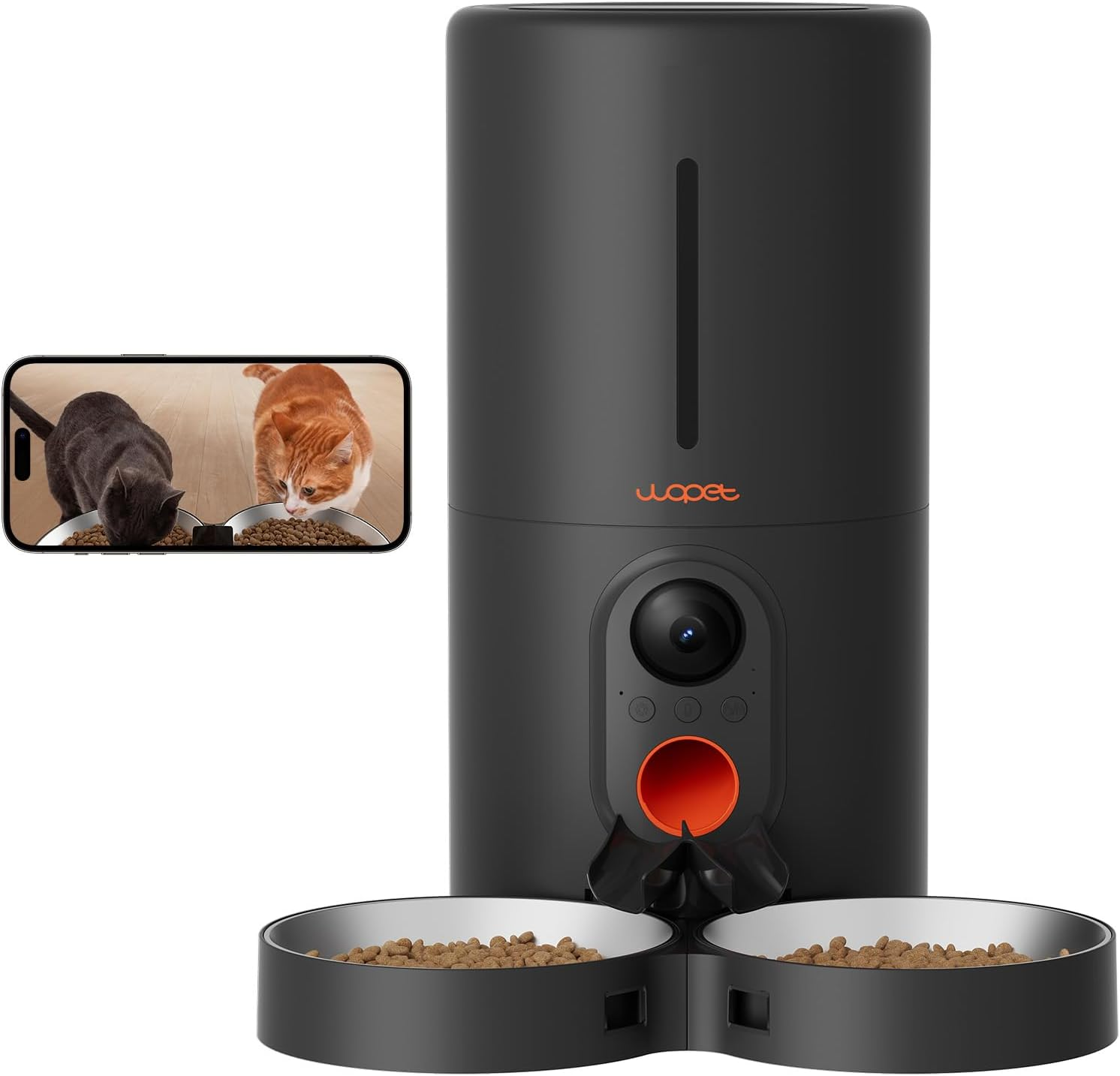
Choosing the right food for a pet looks simple, yet many owners feel unsure when they stand in the aisle and compare bags to cans. This guide breaks down the facts on dry vs wet food so you can feed with confidence, set a clear routine, and keep long-term health goals in mind. We will look at nutrition, cost, storage, and daily use. We will also show how the WOpet HV10DP Automatic Pet Feeder can take the guesswork out of feeding time.

What counts as dry food?

Dry food, often called kibble, contains about 10 percent water or less. Manufacturers cook it at high heat, shape it into small pieces, and coat it with fat or flavor. The process removes moisture but locks in a long shelf life. Because kibble is dry, it works well with gravity and smart feeders. Many owners also say it helps scrape plaque from teeth as the pet chews.

Key advantages

  • Storage ease. A sealed bag can stay fresh for weeks in a cool, dark place.
  • Lower cost per meal. You pay for nutrients, not water.
  • Dental help. The crunch may slow tartar buildup, though brushing is still best.
  • Portion control. Kibble pieces are uniform, so a measuring cup gives repeatable meals.

Possible drawbacks

  • Lower moisture. Pets with kidney or urinary problems may need more water.
  • Flavor fatigue. Some picky eaters lose interest after a few days.
  • Carb content. Many dry diets use grains or potatoes to hold shape, which adds calories.

If you notice your dog races through kibble, look at ways to slow intake. A puzzled bowl helps, and learning about dogs that eat too fast will show why speed eating can harm digestion.

What defines wet food?

Wet food comes in cans, pouches, or trays and holds 70 percent or more water. Makers cook the mix inside the sealed container, which keeps it sterile until you open it.

Key advantages

  • High moisture. Good for pets that do not drink enough.
  • Rich smell and taste. The aroma tempts seniors or those on medicines.
  • Lower carbs. Formulas rely on meat, not starch, for structure.
  • Soft texture. Helpful for pets with dental pain.

Possible drawbacks

  • Higher price. You buy water weight along with nutrients.
  • Short shelf life once open. Leftovers must chill and get used in 24–48 hours.
  • Messier serve. You need a spoon, and bowls need fast washing.
  • Harder to portion. Volume changes from can to can.

Health points to weigh

  • Weight control. Kibble packs more calories per bite, which helps hard-working dogs but can push couch hounds toward extra pounds.
  • Water intake. Canned diets shine for pets that form crystals in urine.
  • Dental care. Crunch alone never replaces brushing, yet dry shapes can slow plaque.
  • Allergies. Some pets react to grain or certain proteins. Both formats now offer limited-ingredient options.

If scratching and redness bother your dog, review common skin problems and ask your vet whether diet changes might help.

Daily feeding routine

No matter which type you choose, a set plan keeps hunger, weight, and behavior steady. A clear feeding schedule spells out how many meals a day and how much goes in each bowl. Puppies may need three or four small meals. Healthy adults do fine on two. Seniors can stick to the adult pattern unless a medical plan says otherwise.

Meet the WOpet HV10DP Automatic Pet Feeder

Smart devices should not just look sleek; they must solve real problems. The WOpet HV10DP does that in five ways:

  1. Wi-Fi control on both 2.4 GHz and 5 GHz bands. Open the Wopet Life app from work, the gym, or the airport. Change dinner time in seconds.
  2. Feeds two pets, up to ten meals a day. Each meal can hold 1–20 portions, so you match the calorie need of a small cat or a large dog.
  3. Built-in 1080 P camera with 160° wide view and night vision. Check if both pets eat and if one tries to steal from the other. Store clips on the included 4 GB card or upgrade to 256 GB.
  4. Two-way audio. Say 'good boy' or call a shy cat to the bowl. You can even play a personal meal chime before food drops.
  5. Low-food sensor and dual power. The app tells you when kibble runs low. Plug the unit into the wall and add three D batteries so meals still drop during a power cut.

Dry kibble works best in hoppers, but owners who serve freeze-dried bits or air-dried pieces also see smooth flow. For canned food lovers, you can place wet meals in a small bowl next to the feeder and use the WOpet camera to watch intake. The split lets you keep control without giving up the perks of wet food.

Still unsure about adding tech? Read this review on an automatic dog feeder to learn pros and cons.

Many homes run on shifts and screen meetings. The feeder helps busy pet owners keep pets on time while life pulls them out the door.

Final thoughts

The question of dry vs wet food has no one-size answer. Dry kibble offers cost savings, shelf life, and dental perks. Wet food brings moisture, rich taste, and less carb load. Many owners now combine the two to gain the best parts of each.

A solid routine holds everything together. The WOpet HV10DP Automatic Pet Feeder makes that routine simple. With smart scheduling, live video, and portion accuracy, you gain peace of mind and a clear picture of your pet’s mealtime. Pair the right food with the right tool, and you will build a diet plan that supports health from puppyhood through the golden years.

When you next weigh dry vs wet food, remember both formats can fit into a balanced plan. The goal is not to pick a winner but to meet your pet’s unique needs every single day.