Author: AQ

The Skill Stack That Builds a Successful Career in Property ManagementThe Skill Stack That Builds a Successful Career in Property Management

Property management is no longer just about collecting rent and fixing leaky faucets. Today, it’s a fast-evolving career that blends business strategy, people management, legal knowledge, and technology. Whether you want to manage residential apartments, commercial spaces, vacation rentals, or mixed-use developments, the right skill set can turn property management into a highly stable and lucrative profession.

If you’re planning a long-term career in this field or looking to level up your current role, mastering the following skills will give you a serious edge in the competitive property management landscape.


Strong Communication and Interpersonal Skills

At the heart of property management is people. Tenants, property owners, vendors, contractors, real estate agents, and legal professionals all rely on you to communicate clearly and professionally.

Effective communication means:

  • Explaining lease terms without confusion
  • Handling tenant complaints calmly and confidently
  • Negotiating with vendors and service providers
  • Updating property owners with accurate reports and insights

Property managers who communicate well build trust faster, resolve conflicts efficiently, and maintain long-term tenant relationships. Active listening is just as important as speaking—understanding tenant concerns before reacting often prevents small issues from becoming expensive problems.


Financial Management and Budgeting Skills

Property management is a numbers-driven career. You’re responsible for protecting and growing the financial performance of properties while controlling expenses.

Key financial skills include:

  • Creating and managing property budgets
  • Tracking rental income and operating expenses
  • Understanding cash flow and profitability
  • Planning for maintenance reserves and capital improvements
  • Interpreting financial statements and owner reports

A successful property manager doesn’t just keep costs low—they make smart financial decisions that improve property value over time. Even basic accounting knowledge can dramatically improve your effectiveness in this role. Learn more about Ashley Teske here.


Legal Knowledge and Compliance Awareness

Property management operates within a strict legal framework. From lease agreements to eviction laws, mistakes can lead to costly lawsuits or penalties.

Important legal areas to understand include:

  • Landlord-tenant laws
  • Fair housing regulations
  • Lease enforcement and documentation
  • Safety and habitability standards
  • Eviction procedures and notices

You don’t need to be a lawyer, but you must know how to stay compliant and when to consult legal professionals. Property managers who understand the law protect both owners and tenants while minimizing risk.


Problem-Solving and Conflict Resolution

No two days in property management are the same. Pipes burst, tenants disagree, contractors miss deadlines, and emergencies happen without warning.

Strong problem-solving skills allow you to:

  • Make fast, logical decisions under pressure
  • Handle disputes professionally and fairly
  • Prioritize emergencies versus routine issues
  • Find cost-effective solutions without compromising quality

Conflict resolution is especially critical. A calm, solution-focused approach can turn an unhappy tenant into a loyal long-term resident. Emotional intelligence plays a major role here—how you respond often matters more than the problem itself.


Organization and Time Management

Property managers juggle multiple responsibilities across multiple properties. Without strong organizational skills, tasks can quickly pile up and create chaos.

Essential organizational abilities include:

  • Managing maintenance schedules and inspections
  • Tracking lease renewals and rent deadlines
  • Coordinating vendors and contractors
  • Keeping accurate property records and documentation

Time management helps you stay proactive instead of reactive. Using calendars, task management tools, and property management software can dramatically increase productivity and reduce stress.


Customer Service and Tenant Retention Skills

Happy tenants stay longer, pay rent on time, and treat properties with care. This makes customer service one of the most valuable skills in property management.

Tenant-focused property managers:

  • Respond promptly to maintenance requests
  • Treat tenants with respect and professionalism
  • Create positive move-in and move-out experiences
  • Build a sense of community within properties

Retention reduces vacancy costs, marketing expenses, and turnover-related repairs. In many cases, keeping a good tenant is far more profitable than constantly finding new ones.


Negotiation and Vendor Management

From landscaping contracts to plumbing services, property managers regularly negotiate with vendors and service providers.

Key negotiation skills include:

  • Comparing bids and service agreements
  • Negotiating fair pricing without sacrificing quality
  • Setting clear expectations and timelines
  • Managing long-term vendor relationships

Strong vendor management ensures work is completed on time, within budget, and to acceptable standards. This directly impacts tenant satisfaction and property condition.


Maintenance Knowledge and Technical Awareness

You don’t need to be a contractor, but understanding how buildings function is essential. Basic maintenance knowledge helps you identify issues early and communicate effectively with technicians.

Important areas to understand:

  • Plumbing and electrical basics
  • HVAC systems and seasonal maintenance
  • Structural issues and warning signs
  • Preventive maintenance planning

This knowledge prevents unnecessary expenses and allows you to respond intelligently during emergencies. It also helps you avoid being overcharged or misled by vendors.


Marketing and Leasing Skills

Filling vacancies quickly is critical for property profitability. Property managers increasingly need marketing and leasing skills to attract quality tenants.

Useful marketing abilities include:

  • Writing compelling property listings
  • Understanding rental market trends and pricing
  • Using online listing platforms effectively
  • Screening applicants fairly and thoroughly

Good leasing skills balance speed with quality. The goal isn’t just to fill units—it’s to place reliable tenants who respect the property and meet lease obligations.


Technology and Property Management Software Proficiency

Modern property management relies heavily on technology. Software platforms streamline rent collection, maintenance requests, accounting, and communication.

Key tech skills include:

  • Using property management software
  • Handling digital rent payments and records
  • Managing online maintenance portals
  • Understanding basic data reporting and analytics

Tech-savvy property managers save time, reduce errors, and provide better service. Staying updated with new tools can significantly boost efficiency and career growth.


Adaptability and Continuous Learning

Real estate markets change, laws evolve, and tenant expectations shift. Successful property managers stay adaptable and committed to continuous learning.

This includes:

  • Keeping up with legal updates and regulations
  • Learning new tools and management strategies
  • Adapting to different property types and markets
  • Improving leadership and business skills over time

Those who invest in learning often move into senior roles, portfolio management, or even start their own property management businesses.


Leadership and Decision-Making Skills

As your career grows, leadership becomes increasingly important. Property managers often oversee teams, vendors, and multiple stakeholders.

Strong leadership involves:

  • Making confident, ethical decisions
  • Managing staff and contractors effectively
  • Taking responsibility for outcomes
  • Representing property owners professionally

Leadership skills open doors to higher-paying roles and larger portfolios, making them essential for long-term career advancement.


Final Thoughts

A successful career in property management is built on a diverse and practical skill set. It’s a profession where business meets people, and where attention to detail can directly impact financial success. By mastering communication, financial management, legal awareness, organization, and customer service—while staying adaptable and tech-savvy—you position yourself for steady growth and long-term stability.

Property management rewards those who are proactive, reliable, and willing to continuously improve. With the right skills, it’s not just a job—it’s a career with real potential.

The Ultimate Guide to Finding Fresh, Hygienic Beef in BangaloreThe Ultimate Guide to Finding Fresh, Hygienic Beef in Bangalore

Bangalore is a city known for its diversity—not just in culture and language, but also in food habits. From traditional Kerala-style beef fry to slow-cooked curries, kebabs, and steaks, beef continues to be an important part of many households across the city. Yet, one challenge remains consistent: finding fresh, hygienic, and trustworthy beef without the hassle of crowded markets or uncertainty around quality.

This is where the beef shop bangalore has quietly changed how people buy beef in the city.

Why Buying Beef in Bangalore Has Always Been Tricky

For years, customers have had only two real choices: local street butchers or supermarket-packed meat. Both come with compromises.

Local butchers may offer freshness, but hygiene, consistency, and transparency often vary. Supermarkets, on the other hand, rely heavily on cold storage and pre-packed meat that may not always be cut fresh. For families that care deeply about health, cleanliness, Halal compliance, and taste, neither option feels ideal.

Modern consumers want more control. They want to know where the meat comes from, how it’s handled, who cuts it, and how fast it reaches their kitchen.

A New Standard for Fresh Beef Delivery

That’s exactly why https://thebeefshop.in has gained trust among Bangalore households. Instead of following the outdated meat supply chain, it works on a fresh-to-order model.

There is no frozen inventory. No long cold-storage delays. Every order is hand-cut only after you place it, vacuum-sealed for hygiene, and delivered the same day—often within 60 minutes.

This approach brings back the honesty of a neighborhood butcher, while maintaining the hygiene standards of a modern food facility.

Wide Range of Beef Cuts for Every Cooking Style

One of the biggest advantages of ordering from a dedicated online beef store is variety. Different recipes require different cuts, and not everyone wants the same thing.

Whether you’re cooking everyday meals or something special, you’ll find options like:

  • Fresh beef with bone for rich curries
  • Boneless beef for quick stir-fries
  • Hand-cut and machine-cut beef kheema
  • Kerala-style kebab cuts
  • Fatless curry cuts for health-conscious families
  • Steaks, T-bone cuts, and chunks
  • Specialty items like liver, kidney, heart, tongue, tripe, tail, soup bones, and marrow

This level of selection is rarely available consistently at local markets.

Hygiene That Goes Beyond Claims

Hygiene isn’t just a buzzword—it’s a process. From clean processing areas to temperature-controlled handling, every step is designed to protect both taste and safety.

Each order is:

  • Cut by trained expert butchers
  • Prepared in controlled, clean environments
  • Vacuum-packed using food-safe materials
  • Delivered fresh without unnecessary handling

This makes it especially suitable for families, children, and regular consumption.

100% Halal and Responsibly Sourced

For many households in Bangalore, Halal certification is non-negotiable. The sourcing and slaughter practices matter just as much as freshness.

The beef is:

  • 100% Halal certified
  • Ethically sourced
  • Free from chemical preservatives
  • Free from artificial colouring

This gives customers peace of mind, knowing they’re serving food that aligns with both their values and health standards.

Same-Day Delivery Across Bangalore

Time is a luxury in a fast-moving city. Whether you’re in North Bangalore, South Bangalore, East, Central, or surrounding areas, same-day delivery ensures your cooking plans don’t get disrupted.

The logistics are designed around speed without compromising quality—so your beef reaches you fresh, not frozen.

Why Families Prefer Ordering Beef Online Now

Online beef delivery isn’t just about convenience. It’s about control, consistency, and trust.

Compared to traditional options:

  • It’s fresher than supermarket meat
  • Cleaner than most wet markets
  • More consistent in cut and weight
  • Transparent about sourcing and handling

Once customers experience fresh-cut beef delivered safely to their door, going back to uncertain options feels unnecessary.

Perfect for Everyday Cooking and Special Occasions

Whether you’re cooking daily meals, hosting guests, or preparing festival dishes, having access to reliable, high-quality beef makes a noticeable difference in taste and texture.

Fresh beef cooks better, absorbs spices more effectively, and delivers richer flavors—something frozen or old meat simply can’t replicate.

A Growing Trust in Bangalore

What sets this service apart is not aggressive marketing, but repeat customers. Families continue ordering because the experience stays consistent—fresh cuts, clean packaging, and timely delivery.

The long-term goal is simple: to become Bangalore’s most trusted online beef destination for households that value quality over shortcuts.

Final Thoughts

Bangalore’s food culture is evolving, and so are customer expectations. People no longer want to compromise between freshness and hygiene. They want both.

With fresh, Halal-certified beef, a wide variety of cuts, strict hygiene standards, and same-day delivery, the modern way to buy beef has arrived.

If you value quality, transparency, and convenience, it’s easy to see why so many households now rely on the beef shop bangalore for their regular beef needs.

Private Charter: The Ultimate Guide to Luxury Travel and ConveniencePrivate Charter: The Ultimate Guide to Luxury Travel and Convenience

In today’s fast-paced world, traveling efficiently and in style is a priority for many individuals and businesses. One option that has gained tremendous popularity among high-net-worth individuals, corporate executives, and travel enthusiasts is a private charter. Whether it’s for air travel, sea expeditions, or exclusive tours, a private charter offers unparalleled flexibility, comfort, and convenience compared to traditional modes of travel.

What is a Private Charter?

A private charter refers to the hiring of an aircraft, yacht, or other transport exclusively for a specific individual, group, or company, rather than sharing it with other passengers. Unlike commercial flights or cruises, private charters allow you to create a fully customized travel experience tailored to your preferences. You choose your schedule, route, amenities, and even onboard services, making the journey as luxurious and stress-free as possible.

Private charters can include a range of options, including private jets, helicopters, luxury yachts, or even bespoke land tours. Each mode of transport offers distinct advantages, depending on the purpose of your travel and the level of luxury desired.

Types of Private Charters

1. Private Jet Charters

Private jet charters are among the most popular forms of private travel. They allow travelers to bypass the inconveniences of commercial airports, such as long security lines, fixed schedules, and crowded terminals. Private jets range from small, light jets suitable for short trips to large, long-range aircraft capable of intercontinental travel.

  • Light Jets: Ideal for 4–8 passengers, these jets are perfect for short trips of up to 2-3 hours.
  • Midsize Jets: Can accommodate 7–9 passengers and travel longer distances.
  • Heavy Jets: Luxurious aircraft suitable for international travel with up to 16 passengers, featuring spacious cabins and advanced amenities.

Benefits of private jet charters include time savings, privacy, comfort, and the ability to access remote airports not serviced by commercial airlines.

2. Private Yacht Charters

For those seeking luxury on the water, private yacht charters are the ultimate indulgence. Whether it’s a Mediterranean cruise, a Caribbean adventure, or a serene escape on a lake, a private yacht charter allows travelers to experience destinations in exclusivity and style.

Yachts can vary in size from smaller motor yachts for intimate groups to mega-yachts with dozens of crew members, offering world-class dining, water sports, and even onboard entertainment.

3. Helicopter Charters

Helicopter private charters are ideal for short-distance travel, sightseeing tours, or accessing remote locations. They offer an exciting, flexible, and fast mode of transport for business executives, tourists, or anyone looking to save time and avoid traffic congestion. Many high-end resorts and private islands also offer helicopter transfers as part of luxury packages.

4. Luxury Land Vehicle Charters

Private charters are not limited to air or sea travel. Luxury vehicles, including high-end SUVs, limousines, and specialty cars, can be chartered for tours, corporate events, or personal journeys. Chauffeured private car charters provide comfort, safety, and a personalized itinerary, especially in cities with heavy traffic or tourist congestion.

Why Choose a Private Charter?

Choosing a private charter over traditional travel methods offers several key benefits:

1. Flexibility and Convenience

One of the biggest advantages of a private charter is the freedom to set your own schedule. You are not restricted by airline timetables, fixed routes, or layovers. You can depart and arrive at your preferred times, often accessing airports or ports closer to your actual destination.

2. Privacy and Security

For celebrities, business executives, or anyone seeking discretion, private charters provide a secure and private environment. There are no crowded terminals, shared cabins, or unexpected encounters with strangers, making it ideal for confidential business trips or intimate family vacations.

3. Comfort and Luxury

Private charters are designed to maximize comfort. From spacious cabins and plush seating to personalized catering and entertainment systems, every aspect of the journey can be tailored to meet your needs. Luxury yachts and private jets often include state-of-the-art amenities, ensuring a five-star travel experience.

4. Time-Saving

Time is often the most valuable asset. Private charters significantly reduce travel time by allowing passengers to bypass security lines, boarding procedures, and layovers associated with commercial travel. Helicopters and small aircraft can even reach remote or hard-to-access locations directly.

5. Customized Experience

A private charter allows you to customize every aspect of your journey. From onboard meals to entertainment, seating arrangements, and travel routes, you have full control over your experience. This personalization makes private charters ideal for milestone celebrations, corporate retreats, or unique travel adventures.

How to Book a Private Charter

Booking a private charter is a straightforward process, but there are key factors to consider to ensure a smooth experience:

  1. Identify Your Travel Needs: Determine the mode of travel, number of passengers, destinations, and dates. This helps in selecting the right type of private charter.
  2. Choose a Reputable Charter Company: Work with certified and reputable providers who meet all safety and licensing requirements. Look for reviews, certifications, and customer testimonials.
  3. Request a Quote: Most private charter companies provide a quote based on the aircraft, yacht, or vehicle selected, as well as travel distance and additional services.
  4. Confirm Itinerary and Services: Discuss your preferences, including catering, onboard amenities, crew requirements, and ground transport. Ensure all details are documented in the contract.
  5. Finalize the Booking: Once you are satisfied with the quote and services, finalize the booking. Payment terms and cancellation policies should be clearly understood.

Cost of a Private Charter

The cost of a private charter varies depending on several factors, including the type of transport, distance, duration, and onboard services. For example:

  • Private jet charters may cost anywhere from $3,000 to $15,000 per hour depending on the aircraft size and amenities.
  • Luxury yacht charters can range from $5,000 per day for smaller yachts to over $100,000 per week for mega-yachts.
  • Helicopter charters are usually priced per hour, depending on the model and destination.
  • Luxury land vehicle charters can cost from a few hundred to several thousand dollars per day based on the vehicle and services provided.

While the cost may seem high, the convenience, comfort, and time saved often justify the investment, especially for business travelers or those seeking luxury vacations.

Tips for Maximizing Your Private Charter Experience

To ensure your private charter experience is seamless and enjoyable, consider the following tips:

  1. Plan in Advance: While some charters allow last-minute bookings, planning ahead ensures availability and better pricing.
  2. Communicate Your Preferences: Clearly outline your requirements for catering, seating, entertainment, and other amenities to avoid any last-minute surprises.
  3. Check Safety Records: Verify the safety records of the aircraft, yacht, or vehicle. Reputable charter companies maintain high safety standards and certified crew.
  4. Use a Broker if Necessary: Charter brokers can help you find the best options, negotiate pricing, and arrange customized services.
  5. Consider Round-Trip or Empty Leg Options: Empty leg flights (or repositioning flights) are often discounted and can provide significant savings for private jet travelers.

Private Charter for Corporate Travel

Private charters are particularly advantageous for corporate travel. Business executives often need to travel to multiple destinations efficiently, attend meetings, or conduct confidential discussions during flights. Private charters offer the ideal solution:

  • Efficient Multi-City Travel: Easily hop between cities without worrying about airline schedules.
  • Privacy for Meetings: Conduct business meetings, video calls, or presentations onboard.
  • Team Travel: Bring your entire team together in one aircraft, avoiding fragmented travel arrangements.
  • Branding Opportunities: Some companies charter aircraft or yachts with custom branding for promotional events or client entertainment.

Private Charter for Leisure Travel

For leisure travelers, private charters provide a level of comfort and luxury unmatched by commercial travel:

  • Destination Flexibility: Access private islands, remote resorts, or hidden beaches.
  • Customized Itineraries: Plan multi-stop adventures, sightseeing tours, or exclusive excursions.
  • Luxury Amenities: Enjoy personalized dining, entertainment, water sports, or spa services onboard.
  • Special Occasions: Perfect for weddings, anniversaries, or milestone celebrations that require privacy and elegance.

The Future of Private Charters

With advancements in technology, sustainability, and luxury travel, the private charter industry is poised for continued growth. Electric and hybrid aircraft, eco-friendly yachts, and enhanced safety systems are transforming the sector. Additionally, the demand for personalized and exclusive travel experiences continues to rise, making private charters a preferred choice for discerning travelers worldwide.

Conclusion

A private charter offers a unique blend of luxury, flexibility, and convenience that traditional travel cannot match. From private jets and helicopters to luxury yachts and chauffeured vehicles, a private charter ensures an unforgettable, seamless, and stress-free experience. Whether for business, leisure, or special occasions, investing in a private charter allows travelers to save time, enjoy maximum comfort, and create a fully personalized journey tailored to their preferences.

For those seeking ultimate freedom in travel, a private charter is not just a means of transport—it is an experience, a statement of luxury, and a gateway to exploring the world on your terms.

Register Service Dog What Makes Your Dog Officially RecognizedRegister Service Dog What Makes Your Dog Officially Recognized

Service dogs are more than pets—they are highly trained partners that help individuals with disabilities live independently and safely. From guiding someone who is visually impaired to alerting a handler to medical emergencies or providing emotional support for psychiatric conditions, these dogs perform essential tasks that go far beyond companionship.

For many new handlers, a common question arises: what makes a service dog officially recognized? Understanding the legal requirements, training standards, and documentation needed is crucial to ensuring your dog is respected and allowed access to public spaces, housing, and travel.

Understanding Register Service Dog Recognition

Before diving into registration, it’s important to clarify what it means for a service dog to be “officially recognized.” In most countries, including the United States under the ADA, recognition is not about an ID card or certificate. Instead, it is about function and necessity.

A dog is considered a service dog if it:

  • Is trained to perform specific tasks directly related to a disability

  • Works to mitigate the effects of that disability for its handler

  • Demonstrates consistent, controlled behavior in public and shared environments

Recognition comes from meeting these criteria, not from purchasing a certificate online.

The Role of Training in Official Recognition

Training is the backbone of any officially recognized service dog. A dog cannot be considered a service animal solely because it is well-behaved or comforting. Task-specific training is essential.

Examples of tasks that qualify a dog as a service animal include:

  • Guiding someone with visual impairments safely through public areas

  • Alerting to seizures, low blood sugar, or other medical emergencies

  • Providing mobility support, such as retrieving objects or assisting with balance

  • Interrupting panic attacks or grounding a handler with PTSD or anxiety

In addition to task training, behavior matters. An officially recognized service dog must:

  • Be calm and obedient in public spaces

  • Avoid aggressive or disruptive behavior

  • Remain focused on its handler’s needs while in shared environments

Both professionally trained and handler-trained dogs can achieve official recognition, as long as these standards are consistently met.

Medical Necessity: A Key Factor

Another critical aspect of official recognition is medical necessity. A service dog is trained to assist with a disability that substantially limits one or more major life activities.

This can include:

  • Physical disabilities such as limited mobility or vision loss

  • Medical conditions like diabetes, epilepsy, or severe allergies

  • Psychiatric or neurological conditions including PTSD, severe anxiety, or autism spectrum disorders

Documentation from a healthcare professional confirming the disability and the need for a service dog can strengthen recognition, particularly when dealing with housing or travel accommodations.

Registration vs. Official Recognition

Many handlers assume that registration or purchasing an ID card automatically makes a dog officially recognized. While registration can help simplify interactions, it is not legally required and does not determine official status.

What truly matters is:

  • Task performance: Can the dog reliably perform disability-related tasks?

  • Behavior: Is the dog calm, obedient, and well-behaved in public?

  • Medical necessity: Does the handler have a qualifying disability?

Registration may include ID cards, vests, or certificates, which can help reduce misunderstandings in public spaces, housing, or travel. However, the dog’s recognition is earned through training and function, not a purchased document.

Documentation to Support Recognition

Even though registration is optional, proper documentation can support official recognition, especially in property or travel situations. Useful documentation includes:

  • Medical letters: Verification of a qualifying disability and the need for a service dog

  • Training records: Evidence that the dog has been trained to perform specific tasks

  • Behavioral certification (optional): Proof that the dog is house-trained, obedient, and safe in public

These documents help property managers, airline staff, and others understand that your dog is not a pet but a working service animal.

Responsibilities of a Handler

Official recognition is not a one-time achievement—it requires ongoing responsibility from the handler:

  • Maintain consistent training and task performance

  • Ensure the dog is clean, vaccinated, and healthy

  • Control the dog in public and shared spaces

  • Keep documentation up to date for housing, travel, or employment situations

By meeting these responsibilities, handlers help maintain public trust in service dogs and prevent misunderstandings about their role.

Final Thoughts

So, what makes your service dog officially recognized? It’s a combination of task-specific training, medical necessity, proper behavior, and supporting documentation. Registration and ID cards can help smooth interactions, but they are not the deciding factor.

When a service dog consistently performs tasks to assist a handler with a disability, behaves appropriately in public, and meets medical verification requirements, it earns the status of an officially recognized service animal. This recognition ensures that your dog can provide the support you need while being respected and protected in public spaces, housing, and travel.

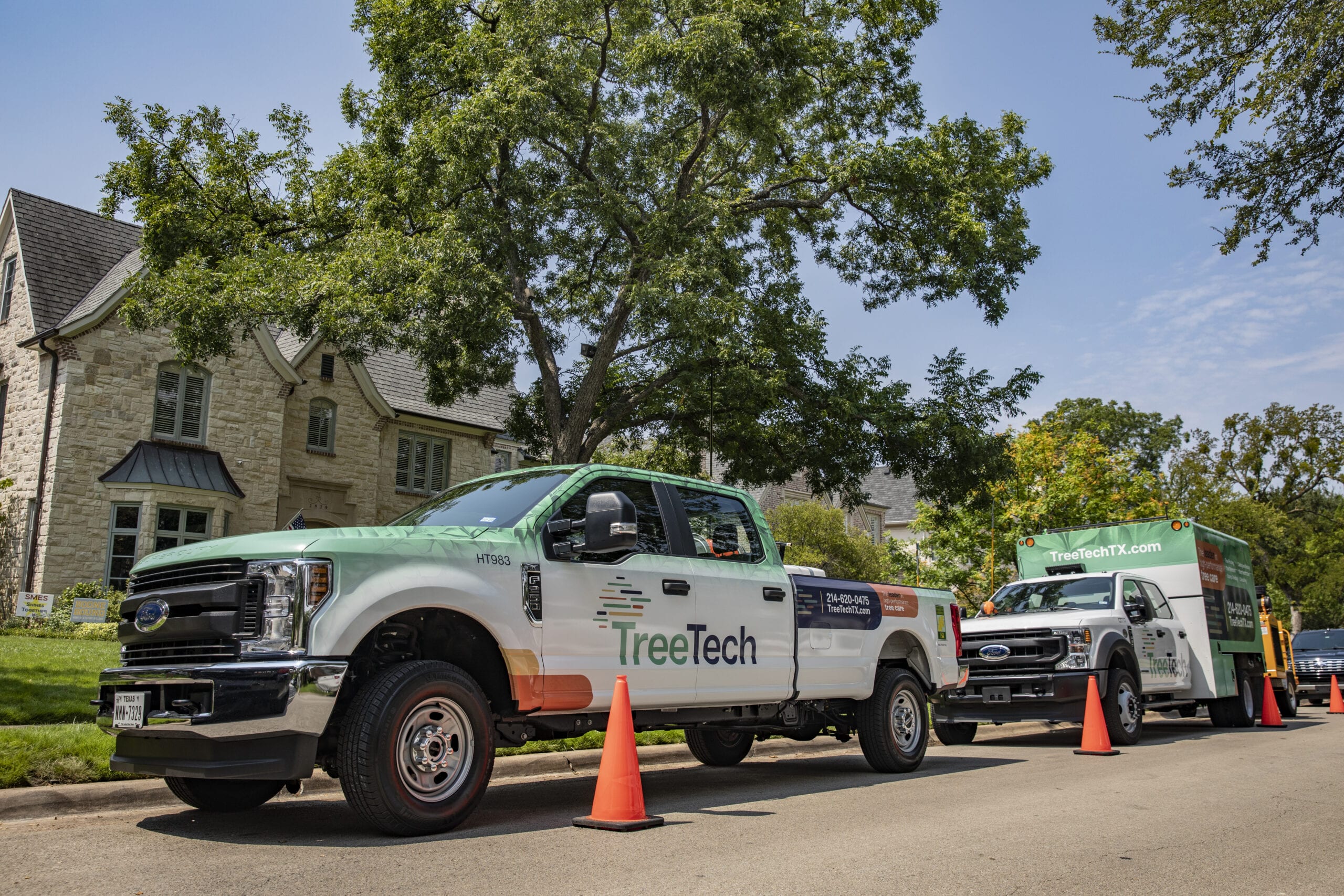
How to Choose the Best Tree Service Company for Safe and Professional Tree CareHow to Choose the Best Tree Service Company for Safe and Professional Tree Care

Trees are one of the most valuable features of any property. They enhance curb appeal, provide shade, improve air quality, and increase property value. However, maintaining trees properly requires professional knowledge, experience, and specialized equipment. That’s why hiring the best tree service company is essential for homeowners, commercial property managers, and landowners alike.

In this detailed guide, we will explore what makes a tree service company the best, the services you should expect, safety standards, cost considerations, and how to avoid common mistakes when choosing a provider. Whether you need tree removal, trimming, pruning, or emergency services, this article will help you make an informed decision.


Why Hiring the Best Tree Service Company Matters

Tree care is not a simple DIY task. Improper cutting or removal can lead to serious injuries, property damage, or long-term harm to your trees. The best tree service company ensures:

  • Safety for people and property
  • Healthier, longer-lasting trees
  • Compliance with local regulations
  • Professional equipment and trained crews
  • Long-term cost savings

A reputable company doesn’t just cut trees—it understands tree biology, structural integrity, and environmental impact.


Key Services Offered by the Best Tree Service Company

A top-rated tree service provider offers a wide range of professional solutions. Here are the essential services you should expect:

1. Tree Removal Services

Tree removal is necessary when a tree is dead, diseased, storm-damaged, or posing a safety risk. The best tree service company uses advanced rigging techniques and equipment to remove trees safely without damaging nearby structures.

2. Tree Trimming and Pruning

Proper trimming improves tree health and appearance. Professional pruning:

  • Removes dead or weak branches
  • Encourages healthy growth
  • Reduces risk during storms
  • Enhances property aesthetics

An experienced learn more company knows when and how to prune different tree species.

3. Stump Grinding and Removal

After tree removal, stumps can become eyesores or safety hazards. The best companies provide stump grinding to eliminate tripping risks and prevent pest infestations.

4. Emergency Tree Services

Storms, heavy winds, and accidents can cause trees to fall unexpectedly. The best tree service company offers 24/7 emergency services to handle urgent situations quickly and safely.

5. Tree Health and Disease Management

Professional arborists diagnose tree diseases, pest problems, and nutrient deficiencies. Preventive care helps trees thrive and reduces the need for costly removals later.


Qualities That Define the Best Tree Service Company

Not all tree service providers are equal. Here are the key qualities that separate average companies from the best:

Certified and Experienced Arborists

The best tree service company employs certified arborists with in-depth knowledge of tree care, safety protocols, and industry standards.

Proper Licensing and Insurance

Always choose a fully licensed and insured company. This protects you from liability in case of accidents or property damage.

Strong Safety Standards

Tree work is dangerous. Reputable companies follow strict safety procedures, use protective gear, and comply with OSHA and industry safety regulations.

Modern Equipment and Technology

From bucket trucks to stump grinders and cranes, professional equipment ensures efficiency, precision, and safety.

Transparent Pricing

The best tree service company provides clear, written estimates with no hidden fees. They explain the scope of work and pricing in detail.


How to Identify the Best Tree Service Company in Your Area

Finding the right tree service provider requires careful research. Follow these steps:

2. Tree Trimming and Pruning

0

Customer reviews provide valuable insight into reliability, professionalism, and service quality. Consistently positive feedback is a strong indicator of the best tree service company.

2. Tree Trimming and Pruning

1

A reputable company will gladly provide references from previous clients.

2. Tree Trimming and Pruning

2

Confirm licenses, insurance, and certifications before hiring.

2. Tree Trimming and Pruning

3

Avoid choosing the cheapest option automatically. Focus on value, safety, and expertise rather than price alone.

2. Tree Trimming and Pruning

4

Prompt responses, detailed explanations, and courteous service reflect a company’s professionalism.


Common Mistakes to Avoid When Hiring a Tree Service Company

Choosing the wrong provider can lead to costly mistakes. Avoid these common errors:

  • Hiring uninsured or unlicensed companies
  • Falling for extremely low prices
  • Not getting a written estimate
  • Ignoring safety practices
  • Choosing companies without arborist expertise

The best tree service company prioritizes quality, safety, and customer satisfaction—not shortcuts.


Cost Factors for Professional Tree Services

Tree service costs vary depending on several factors:

  • Tree size and height
  • Tree location and accessibility
  • Type of service required
  • Emergency or non-emergency work
  • Equipment needed

While professional services may seem expensive upfront, hiring the best tree service company often saves money by preventing future damage and costly repairs.


Benefits of Choosing the Best Tree Service Company

Working with a trusted professional brings long-term benefits, including:

  • Healthier trees and landscapes
  • Reduced risk of property damage
  • Improved curb appeal
  • Increased property value
  • Peace of mind

Expert care ensures your trees remain strong, safe, and visually appealing year-round.


Residential vs. Commercial Tree Services

The best tree service company offers solutions tailored to both residential and commercial clients.

2. Tree Trimming and Pruning

5

Homeowners benefit from:

  • Tree trimming for aesthetics
  • Storm damage cleanup
  • Safety inspections
  • Backyard tree removal

2. Tree Trimming and Pruning

6

Businesses and property managers require:

  • Large-scale tree maintenance
  • Liability risk reduction
  • Parking lot and roadside tree care
  • Scheduled maintenance plans

A professional company adapts its approach based on property size and requirements.


Environmental Responsibility and Sustainable Tree Care

The best tree service company follows eco-friendly practices, such as:

  • Preserving healthy trees whenever possible
  • Recycling wood and debris
  • Using responsible pruning techniques
  • Protecting surrounding landscapes

Sustainable tree care supports environmental balance while maintaining property safety.


Why Hiring the Best Tree Service Company Matters

0

Trees grow and change over time. Regular inspections and maintenance by the best tree service company help detect problems early. Preventive care extends tree lifespan and reduces emergency situations.

Professional tree care is not just a service—it’s an investment in safety, beauty, and property value.


Why Hiring the Best Tree Service Company Matters

1

Selecting the best tree service company is a decision that should never be rushed. By focusing on experience, certifications, safety, reputation, and transparency, you can confidently choose a provider that meets your needs.

Whether you need routine maintenance or emergency tree removal, working with skilled professionals ensures your trees are cared for properly and your property remains safe. Take the time to research, compare, and hire wisely—your trees and your investment deserve nothing less than the best.