
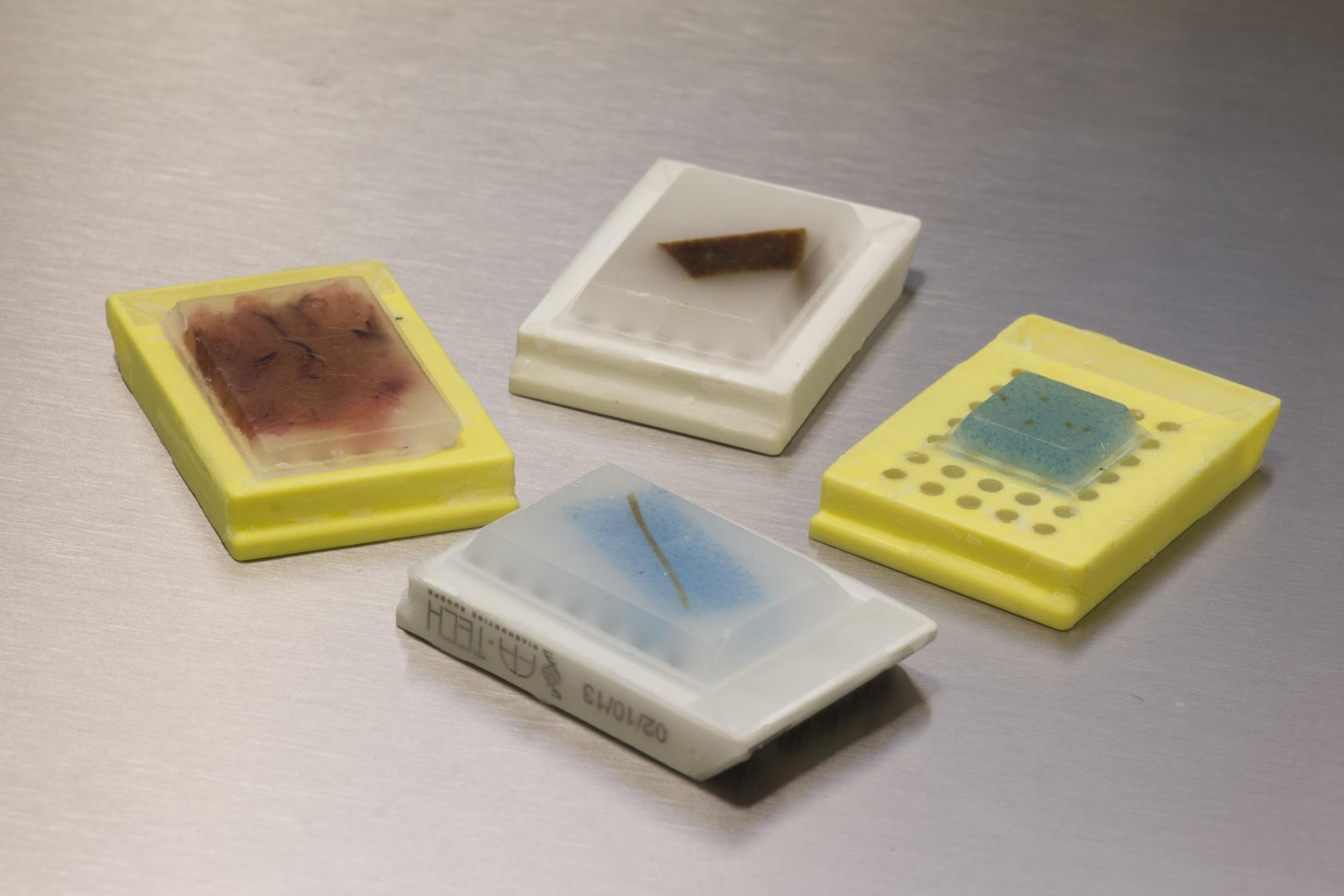
Tissue samples play a vital role in modern science and healthcare, forming the foundation for diagnosis, research, and treatment development. A tissue sample refers to a small piece of biological material—taken from a human, animal, or plant—that is analyzed to understand structure, function, or disease. These samples provide essential insights into cellular behavior, disease progression, and therapeutic effectiveness.
What Are Tissue Samples?
Tissue samples are sections of organs or tissues collected for examination under a microscope or through molecular analysis. They are typically obtained through procedures such as biopsies, surgeries, or autopsies. Once collected, these samples are preserved, processed, and analyzed in laboratories by specialists such as pathologists.
The primary goal of studying tissue samples is to identify abnormalities at the cellular level. This helps in diagnosing diseases, particularly conditions like cancer, infections, and inflammatory disorders. Tissue samples are also crucial in understanding how diseases develop and respond to treatments.
Types of Tissue Samples
There are several types of tissue samples, each collected and used for specific purposes:
1. Biopsy Samples
Biopsies are the most common type of tissue sampling. A small piece of tissue is removed from the body to check for disease. There are different biopsy methods, including needle biopsy, incisional biopsy, and excisional biopsy. These are widely used in cancer diagnosis.
2. Surgical Samples
During surgical procedures, larger sections of tissue or entire organs may be removed. These samples provide more comprehensive information and are often used to confirm diagnoses or assess disease severity.
3. Frozen Tissue Samples
These samples are rapidly frozen to preserve their natural state. Frozen tissues are commonly used in research and for quick diagnostic decisions during surgeries, as they allow immediate analysis.
4. Formalin-Fixed Samples
In this method, tissue samples are preserved using formalin and embedded in paraffin wax. This process maintains the structure of the tissue for long-term storage and detailed examination.
5. Cytology Samples
Unlike traditional tissue samples, cytology involves studying individual cells rather than whole tissue sections. Examples include Pap smears and fine needle aspirations.
Collection and Preservation
The quality of a tissue sample depends heavily on how it is collected and preserved. Proper handling ensures that the cells remain intact and suitable for analysis. Once collected, tissue microarray samples are typically preserved using chemicals like formalin or stored at very low temperatures.
Processing involves several steps, including fixation, embedding, sectioning, and staining. These steps prepare the sample for microscopic examination. Staining techniques, such as hematoxylin and eosin (H&E), help highlight different parts of the cells, making abnormalities easier to detect.
Applications in Medicine
Tissue samples are essential in clinical practice. One of their most critical uses is in diagnosing diseases. For example, in cancer care, tissue samples help determine the type, stage, and aggressiveness of a tumor. This information guides treatment decisions, such as surgery, chemotherapy, or radiation therapy.
They are also used in identifying infections. By examining tissue samples, doctors can detect bacteria, viruses, or fungi that may not be visible through other diagnostic methods.
In addition, tissue samples play a role in personalized medicine. By analyzing genetic information within the tissue, healthcare providers can tailor treatments based on an individual’s specific condition.
Role in Research
Beyond clinical use, tissue samples are invaluable in scientific research. Researchers use them to study disease mechanisms, test new drugs, and develop innovative therapies. Tissue samples allow scientists to observe how cells behave under different conditions and how diseases progress over time.
Biobanks have become increasingly important in this field. These are facilities that store large collections of tissue samples for research purposes. They enable long-term studies and support advancements in medical science.
Ethical Considerations
The collection and use of tissue samples involve ethical responsibilities. Consent from patients is essential before obtaining samples. Individuals must be informed about how their samples will be used, whether for diagnosis, treatment, or research.
Privacy is another important concern. Personal information linked to tissue samples must be protected to ensure confidentiality. Ethical guidelines and regulations are in place to ensure that tissue sampling is conducted responsibly and respectfully.
Future Perspectives
Advancements in technology are transforming how tissue samples are analyzed. Techniques such as digital pathology, artificial intelligence, and molecular profiling are improving accuracy and efficiency. These innovations are helping doctors make faster and more precise diagnoses.
In the future, tissue samples will continue to play a crucial role in advancing medicine. As research progresses, they will contribute to better understanding diseases and developing more effective treatments.
Conclusion
Tissue samples are a cornerstone of modern healthcare and scientific discovery. From diagnosing diseases to advancing research, their importance cannot be overstated. With proper collection, preservation, and ethical use, tissue samples will continue to drive progress in medicine, ultimately improving patient outcomes and quality of life.