
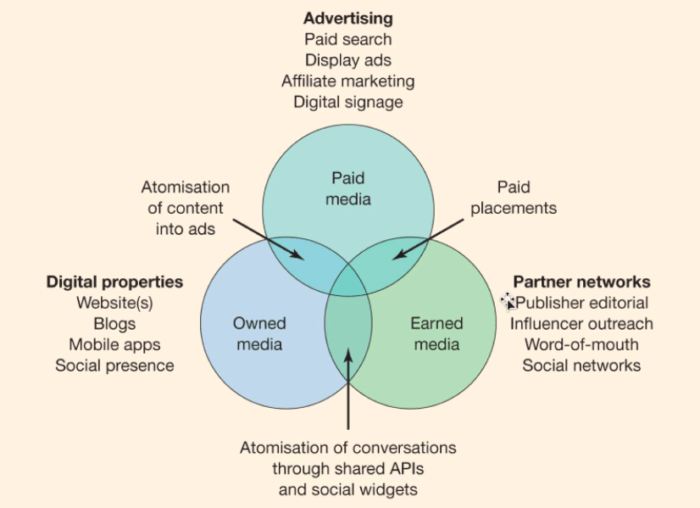
In the world of digital marketing and search engine optimization (SEO), link building plays a crucial role in improving website authority, visibility, and rankings. Among the most discussed strategies are earned links and paid links. While both can increase traffic and strengthen a website’s online presence, they differ significantly in terms of acquisition method, value, risk, and long-term impact. Understanding earned vs paid links is essential for building a safe and effective SEO strategy.
What Are Earned Links?
Earned links, also known as organic or natural links, are backlinks that other websites give voluntarily without any payment or direct exchange. These links are typically earned because the content is valuable, informative, or trustworthy enough that others want to reference it.
For example, if a blog publishes a high-quality article about digital marketing trends and another website links to it as a source, that is an earned link. These links are usually the result of strong content marketing, public relations efforts, or brand authority.
Key Characteristics of Earned Links:
- Obtained naturally without payment
- Based on content quality and relevance
- Often come from reputable websites
- Improve long-term SEO authority
- Harder to acquire but more valuable
Earned links are considered the gold standard in SEO because they signal to search engines that your content is trustworthy and useful. Google especially values these links because they are not artificially created.
What Are Paid Links?
Paid links are backlinks that are acquired through monetary transactions or incentives. This means a website owner pays another site to place a link pointing back to their website. These links can appear in blog posts, sponsored articles, or sidebar advertisements.
While paid links can quickly increase the number of backlinks to a website, they are often viewed with caution by search engines.
Key Characteristics of Paid Links:
- Acquired through payment or sponsorship
- Often labeled as “sponsored” or “advertorial”
- Can provide quick SEO boosts
- May violate search engine guidelines if not disclosed
- Risk of penalties if used improperly
Paid links are commonly used in advertising campaigns and influencer collaborations. However, if they are used solely for manipulating search rankings without proper disclosure, they can lead to penalties from search engines like Google.
Earned vs Paid Links: Major Differences
Understanding earned vs paid links requires comparing their key differences in terms of value, risk, and effectiveness.
1. Acquisition Method
Earned links are obtained naturally through content quality and authority. Paid links, on the other hand, are purchased through financial transactions.
2. SEO Value
Earned links generally have higher SEO value because they are seen as genuine endorsements. Paid links may still provide value, but search engines often discount them if they are identified as manipulative.
3. Risk Factor
Earned links carry minimal risk since they follow organic SEO practices. Paid links, however, can be risky if they violate search engine guidelines or are not properly marked as sponsored.
4. Longevity
Earned links tend to last longer because they are naturally embedded in content. Paid links may disappear once the payment period ends.
5. Trust and Authority
Earned links enhance brand credibility and trust. Paid links can help visibility but may not always improve long-term authority.
Benefits of Earned Links
Earned links are highly valuable for long-term SEO success. Some of their key benefits include:
- Improved organic rankings
- Higher domain authority
- Increased referral traffic
- Stronger brand reputation
- Better engagement from relevant audiences
Because they are based on merit, earned links help establish a website as an authority in its niche. They also tend to bring more targeted traffic since they come from relevant sources.
Benefits of Paid Links
Despite the risks, paid links also offer certain advantages when used ethically:
- Immediate visibility and exposure
- Faster backlink acquisition
- Useful for promotional campaigns
- Can target specific audiences
- Helpful for new websites needing traction
Paid links are often part of broader marketing strategies, especially in competitive industries where organic growth takes time. earned vs paid links.
Risks of Paid Links
One of the biggest concerns with paid links is the potential violation of search engine guidelines. Google explicitly discourages buying links that pass SEO value without disclosure.
Possible risks include:
- Search engine penalties
- Lower search rankings
- Loss of website credibility
- Wasted marketing budget
To reduce risk, paid links should be marked with attributes like “nofollow” or “sponsored.”
Which Is Better: Earned or Paid Links?
When comparing earned vs paid links, earned links are generally the better long-term strategy. They provide sustainable SEO benefits, build trust, and improve brand authority. However, paid links can still be useful as part of a balanced marketing strategy if used ethically and transparently.
The ideal approach is to focus primarily on earning high-quality links through content marketing, while using paid links selectively for promotion and visibility.
Conclusion
Both earned and paid links play important roles in digital marketing, but they serve different purposes. Earned links are built on trust, relevance, and content quality, making them the most valuable for long-term SEO success. Paid links, while useful for quick exposure, must be handled carefully to avoid penalties and maintain credibility.
A strong SEO strategy understands the balance in earned vs paid links, prioritizing organic growth while leveraging paid opportunities responsibly when needed.