
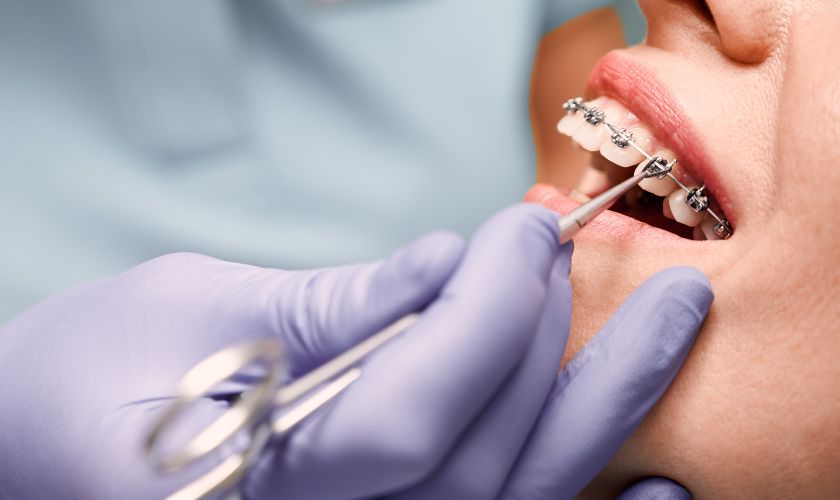
When it comes to dental health, the term “orthodontist” often comes up, but many people are unsure exactly what an orthodontist does and why seeing one can be essential. Orthodontists are specialists in diagnosing, preventing, and correcting teeth and jaw irregularities. Their work not only improves your smile aesthetically but also contributes to long-term oral health.
In this guide, we will explore everything you need to know about orthodontists, from what they do, the treatments they provide, and how to choose the right one for you.
Who Is an Orthodontist?
An orthodontist is a dental specialist who focuses specifically on correcting misaligned teeth and jaws. While general dentists handle routine dental care such as cleanings, fillings, and basic oral examinations, orthodontists receive additional training to address alignment and bite issues.
Becoming an orthodontist requires extensive education. After completing dental school, a dentist must undergo 2–3 years of specialized training in orthodontics. This rigorous training equips them with the knowledge and skills to correct dental irregularities using braces, clear aligners, and other orthodontic appliances.
Why Do People See an Orthodontist?
People seek orthodontic treatment for a variety of reasons, ranging from cosmetic improvements to functional necessities. Common reasons include:
1. Crooked or Misaligned Teeth
One of the most common reasons people visit an orthodontist is to straighten crooked teeth. Misaligned teeth not only affect your smile but can also make cleaning teeth more difficult, leading to increased risk of cavities and gum disease.
2. Bite Problems
Bite issues, such as overbite, underbite, crossbite, and open bite, can lead to jaw pain, difficulty chewing, and even speech problems. Orthodontists are trained to identify these issues and correct them using specialized treatment plans.
3. Spacing or Crowding Issues
Too much space between teeth or overcrowded teeth can both create functional and aesthetic concerns. Orthodontists use appliances like braces or aligners to correct these spacing issues, ensuring teeth fit comfortably within the jaw.
4. Jaw Alignment and TMJ Disorders
Orthodontists also address jaw alignment problems, which can prevent conditions like temporomandibular joint (TMJ) disorder, a condition that causes jaw pain, headaches, and difficulty chewing.
Common Treatments Offered by Orthodontists
Orthodontists have a wide range of treatment options, tailored to the individual needs of their patients. Here are some of the most common:
1. Traditional Braces
Traditional braces remain one of the most effective methods for correcting misaligned teeth and bite issues. Braces consist of metal brackets, wires, and bands that gradually shift teeth into the desired position. Today’s braces are more comfortable and discreet than ever, with options like ceramic braces blending with natural tooth color.
2. Clear Aligners
Clear aligners, such as Invisalign, offer a discreet alternative to traditional braces. These removable, transparent trays gradually move teeth without the use of wires or brackets. Clear aligners are especially popular among adults who want orthodontic treatment without drawing attention to their braces.
3. Retainers
Retainers are often used after orthodontic treatment to maintain teeth in their new positions. Orthodontists design custom retainers to ensure the results of braces or aligners are long-lasting.
4. Palatal Expanders
A palatal expander is used to widen the upper jaw to create more space for teeth. This is especially helpful in young patients whose jaws are still growing. Orthodontists use expanders to correct crossbites or crowding issues.
5. Other Orthodontic Appliances
Orthodontists may also use specialized appliances like headgear, space maintainers, or functional appliances to correct specific bite or alignment issues.
When Should You See an Orthodontist?
It’s a common misconception that orthodontic treatment is only for teenagers. While many patients begin treatment in their early teens, people of all ages can benefit from seeing an orthodontist.
Children and Teens
The American Association of Orthodontists recommends that children have their first orthodontic evaluation by age 7. At this stage, an orthodontist can detect developing bite issues and guide jaw growth to prevent more serious problems later. Early intervention can sometimes reduce the complexity and duration of treatment in adolescence.
2. Bite Problems
0
Adult orthodontics is increasingly common. Modern treatment options like clear aligners have made orthodontics more appealing to adults who want to improve their smile or correct long-standing bite issues. Orthodontists can treat most adults, even those with prior dental work like crowns or implants.
How to Choose the Right Orthodontist
Selecting the right orthodontist is crucial for a successful outcome. Here are some factors to consider:
2. Bite Problems
1
Ensure that the Riverside orthodontist is licensed and board-certified. Board-certified orthodontists have completed additional examinations and training, demonstrating their expertise.
2. Bite Problems
2
Ask the orthodontist about the types of treatment they offer. Some may specialize in clear aligners, while others excel in traditional braces or complex bite correction.
2. Bite Problems
3
Modern orthodontics benefits from advanced technology, such as digital impressions, 3D imaging, and computer-assisted treatment planning. A practice that uses up-to-date technology can improve comfort, precision, and efficiency.
2. Bite Problems
4
Reading reviews and asking for referrals can provide insight into the orthodontist’s professionalism, bedside manner, and treatment outcomes.
2. Bite Problems
5
Orthodontic treatment is a long-term commitment. Choose an orthodontist who listens, explains treatment plans clearly, and makes you feel comfortable throughout the process.
The Benefits of Seeing an Orthodontist
Orthodontic treatment offers far more than just cosmetic improvements. The benefits extend to overall oral health, function, and confidence:
2. Bite Problems
6
Straighter teeth are easier to clean, reducing the risk of cavities, gum disease, and tooth decay. Proper alignment also decreases excessive wear on teeth caused by uneven bites.
2. Bite Problems
7
Orthodontic treatment can correct bite problems, making chewing and speaking easier. Proper alignment also reduces stress on the jaw joints, which can prevent pain and discomfort.
2. Bite Problems
8
A straight, attractive smile can dramatically improve self-esteem and confidence. Many patients report feeling more comfortable in social and professional situations after orthodontic treatment.
2. Bite Problems
9
Addressing alignment and bite issues early can prevent more serious dental problems later. Correcting bite issues, for example, may prevent the need for extensive restorative dental work in the future.
Common Misconceptions About Orthodontists
Despite the benefits of orthodontics, some misconceptions persist:
-
“Braces are only for kids.”
Orthodontic treatment is effective at any age. Adults can safely undergo treatment to achieve straight teeth and proper alignment. -
“Orthodontic treatment is purely cosmetic.”
While improving appearance is a significant benefit, the primary goal of orthodontics is functional correction and long-term oral health. -
“Treatment takes forever.”
Advances in technology have significantly reduced treatment times. While complex cases may still take longer, most treatments are now faster and more efficient than ever.
Preparing for Your First Orthodontist Visit
A first visit to an orthodontist typically involves a comprehensive examination, including:
-
Dental X-rays to assess tooth and jaw alignment
-
Photographs of your teeth and smile
-
Impressions or digital scans to create a model of your teeth
-
Discussion of treatment options, expected duration, and costs
After this evaluation, the orthodontist will develop a personalized treatment plan. They will explain what to expect, including potential discomfort, maintenance requirements, and follow-up schedules.
Who Is an Orthodontist?
Orthodontics continues to evolve with new technologies and techniques. Digital orthodontics, AI-assisted treatment planning, and more aesthetic options for braces and aligners are making treatment faster, more precise, and more comfortable than ever before.
Emerging technologies, such as 3D-printed aligners and accelerated orthodontic devices, are also helping patients achieve results with less discomfort and in shorter treatment times.
Why Do People See an Orthodontist?
Orthodontists play a vital role in both dental health and overall well-being. Whether you are seeking to straighten your teeth, correct bite issues, or improve your smile’s appearance, a qualified orthodontist can provide effective, customized treatment. From traditional braces to modern clear aligners, the options are vast and adaptable to different needs, ages, and lifestyles.
Investing in orthodontic care is more than just a cosmetic choice—it’s a step toward improved oral function, long-term dental health, and a confident, radiant smile. If you haven’t had an orthodontic evaluation yet, now is the perfect time to explore how an orthodontist can transform your dental health and your life.